

A Sanctuary of Faith and Art: The Eternal Echoes of Santa Cecilia in Trastevere
In the heart of Rome’s vibrant Trastevere district, where narrow cobblestone alleys whisper secrets of antiquity, lies a sanctuary that transcends the boundaries of mere architecture. The Basilica of Santa Cecilia in Trastingere is not simply a monument of stone and mortar; it is a living, breathing narrative of Roman devotion, a layered tapestry where the spiritual and the aesthetic are inextricably woven. To enter its courtyard is to step away from the modern bustle and into a serene landscape of ancient mosaics and classical columns, a deliberate threshold that prepares the soul for the breathtaking complexity awaiting within. This sacred space, built upon the very site where the noble Saint Cecilia lived and met her martyrdom in the third century, serves as a profound testament to the enduring legacy of Roman history and the transformative power of art.
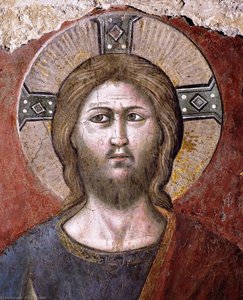
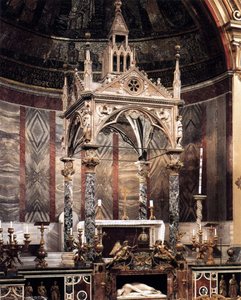
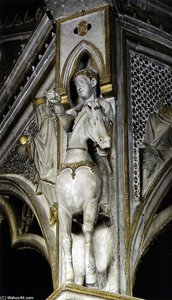
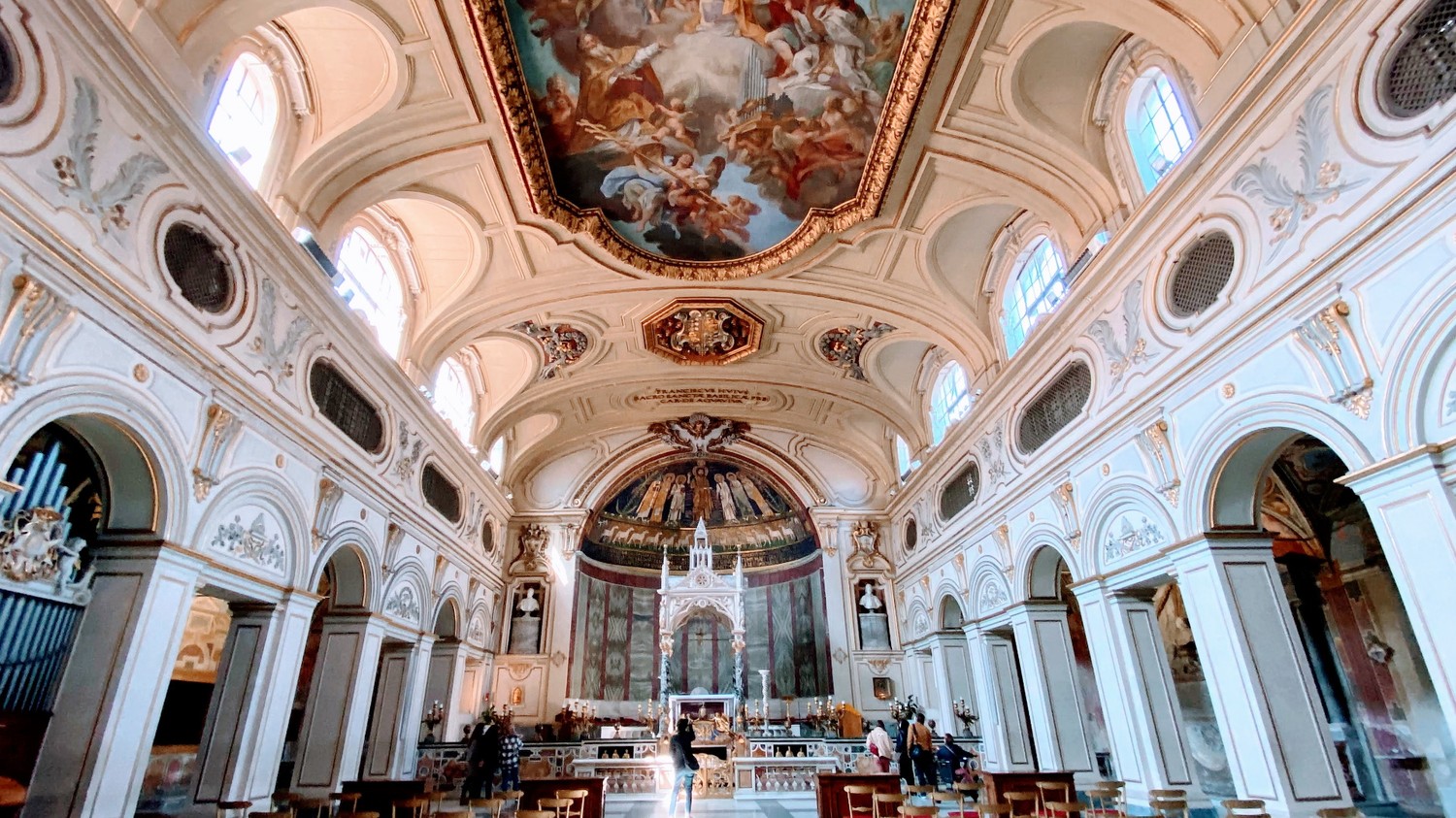
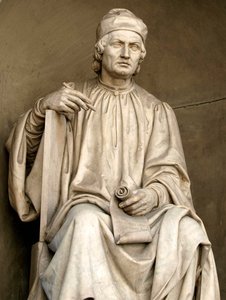
The architectural journey through the basilica is one of continuous rebirth, reflecting the shifting tides of papal patronage and artistic eras. The structural bones of the church speak of the ninth-century vision of Pope Paschal I, who, guided by a divine dream, reconstructed the site to honor the rediscovered remains of the saint. As one moves toward the nave, the eye is immediately drawn upward by the magnificent ciborium designed by Arnolfo di Cambio. This soaring canopy, supported by marble columns and adorned with delicate statuettes of saints and angels, acts as a celestial bridge, anchoring the viewer in the medieval splendor of the Middle Ages. Above, the apse reveals fragments of ninth-century mosaics that shimmer with divine light, portraying the Redeemer flanked by a heavenly assembly of saints, a vibrant hymn to both papal authority and eternal grace.
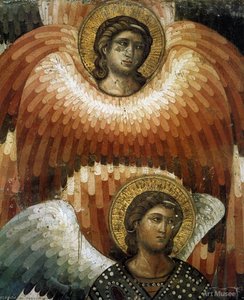
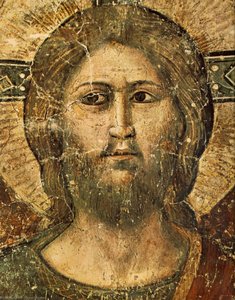
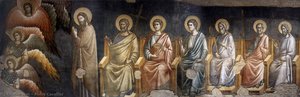
Beyond its structural grandeur, the basilica houses treasures that represent pivotal shifts in the history of Western art. One cannot contemplate this sanctuary without acknowledging the dramatic vision of Pietro Cavallini, whose monumental fresco, The Last Judgment , remained hidden beneath layers of plaster for centuries until its miraculous rediscovery in 1900. This masterpiece serves as a cornerstone of early Christian naturalism, capturing an emotional intensity and a sense of human mortality that prefigures the Renaissance. The basilica’s walls further celebrate the exuberance of the Baroque era through the works of Sebastiano Conca, whose Apotheosis of Santa Cecilia depicts the saint's triumphant ascent to heaven with a theatricality that defines the period. These works, alongside the masterful religious altarpieces by Guido Reni, create an atmosphere where light and shadow dance to tell stories of sacrifice and salvation.
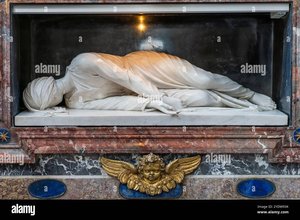
Perhaps the most poignant encounter within these walls is the profound stillness of Stefano Maderno’s marble sculpture, Saint Cecilia . Completed around 1600, this work captures the saint in the exact posture in which her body was reportedly found during the opening of her tomb in 1599—lying on her side, head turned, with a hauntingly beautiful simplicity. Maderno’s ability to blend naturalism with a sense of sacred quietude establishes the sculpture as a masterpiece of early Baroque sculpture, inviting collectors and art lovers alike to contemplate the intersection of physical reality and spiritual transcendence. For the interior designer or the wandering scholar, Santa Cecilia in Trastevere offers more than just a visit to a museum; it offers an immersion into a sanctuary where every mosaic, fresco, and marble curve serves as a permanent dialogue between the earthly and the divine.