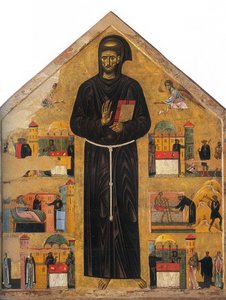

A Sanctuary of Spirit and Stone
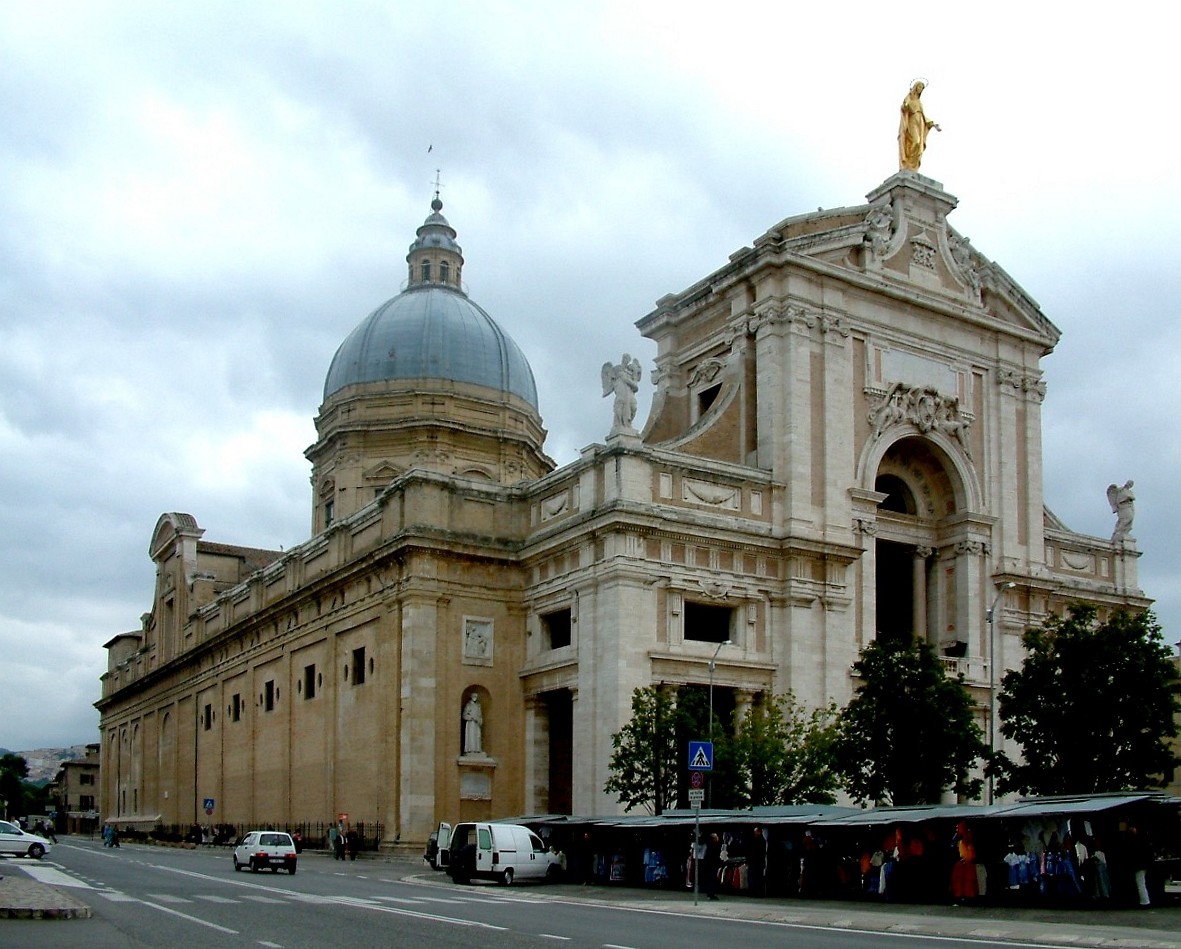
Nestled within the serene, rolling landscapes of Umbria, the Basilica of Santa Maria degli Angeli in Assisi stands as much more than a monumental feat of architecture; it is a profound sensory experience where the boundaries between the earthly and the divine seem to dissolve. To step into this sacred space is to enter a living chronicle of faith and artistic evolution. The basilica serves as a breathtaking vessel for the legacy of Saint Francis, housing within its walls the humble Porziuncola—the tiny, Romanesque chapel where the Franciscan Order was born in 1208. This juxtaposition of the intimate, weathered stone of the original chapel against the soaring, light-drenched grandeur of the later basilica creates a powerful architectural dialogue, reflecting a journey from monastic simplicity to the triumphant splendor of papal patronage.
The architecture itself unfolds like a visual symphony across the centuries. As one wanders through the vast central nave, the eye is drawn upward by a sense of immense scale, where light plays across surfaces shaped by Renaissance ambition and Baroque opulence. The radiating chapels act as intimate alcoves of devotion, their walls adorned with vibrant frescoes that breathe life into biblical narratives. For the art lover, this structural evolution offers a rare opportunity to witness the shifting tides of European design, from the sturdy, grounded character of the medieval period to the dramatic, emotive flourishes of the later eras, all harmonizing within a single, unified sanctuary.
The Radiance of Gothic Mastery
While the architecture commands the space, the true soul of the museum resides in the delicate, luminous treasures held within the Museo della Porziuncola. Here, the "Gradual from Santa Maria degli Angeli" awaits, a masterpiece of 14th-century Florentine craftsmanship that represents the absolute zenith of Gothic illumination. Created around 1370 by the master Don Silvestro dei Gherarducci, this manuscript is not merely a liturgical text but a visual poem rendered in gold and pigment. Each page is an exquisite encounter with medieval brilliance, featuring intricate gold leaf detailing that catches the light with every movement, and lush floral motifs inspired by the symbolic language of Provence.
The artistry within these manuscripts is nothing short of breathtaking, offering collectors and historians a glimpse into the intellectual and aesthetic fervor of the Trecento. The meticulous rendering of sacred figures—most notably the tender scenes of the Nativity and the celestial ascent of Saint Augustine—demonstrates a level of technical precision that remains awe-inspiring to the modern eye. For the interior designer or connoisseur of fine detail, the Gradual serves as an ultimate reference in the use of color, texture, and symbolic ornamentation, embodying a period where every stroke of the brush was an act of profound devotion.
An Enduring Legacy of Devotion
Beyond its physical beauty, Santa Maria degli Angeli remains a vital pilgrimage site, a place where history is not merely observed but felt. The museum’s significance is bolstered by its historical role in hosting exhibitions that celebrate the intersection of Franciscan piety and high art, making it a cornerstone of Western artistic tradition. It is a destination that offers a rare continuity of purpose; the same reverence that moved medieval pilgrims now invites contemporary visitors to contemplate the enduring power of human creativity. To visit this complex is to embark on a journey through time, discovering a place where the weight of history and the lightness of divine inspiration exist in perfect, eternal balance.