



The Living Canvas: An Urban Odyssey through São Paulo
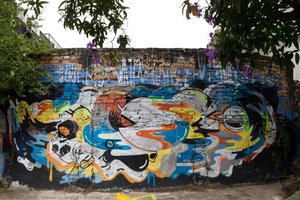
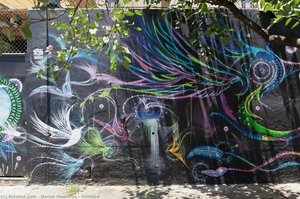
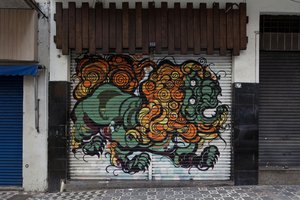
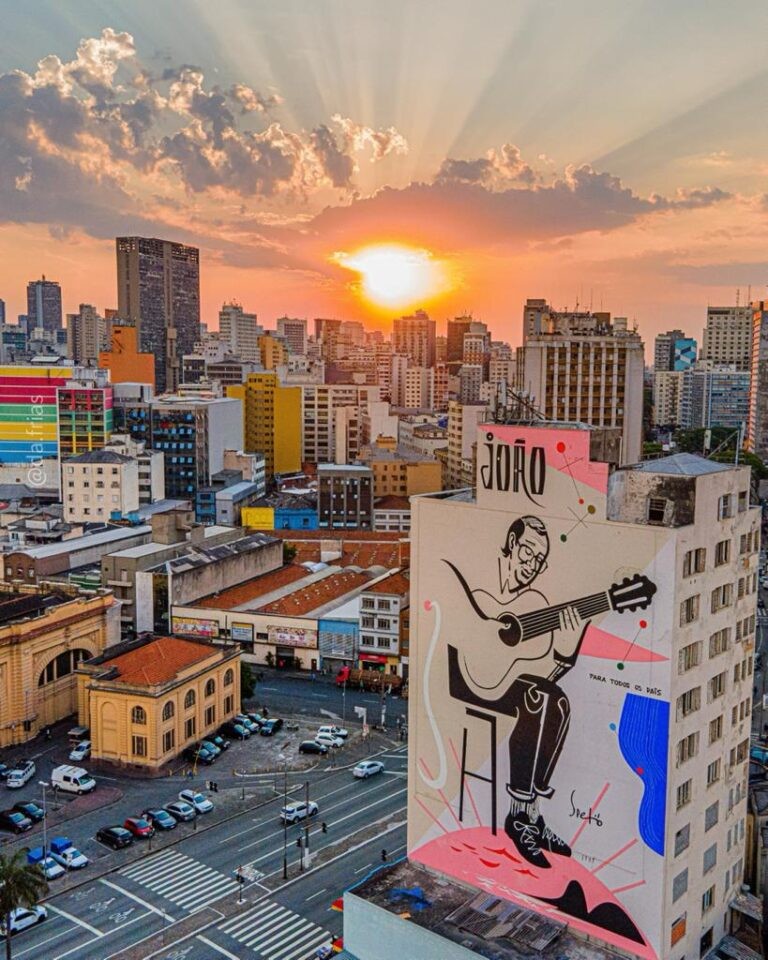
To step into the realm of São Paulo Street Art is to abandon the quiet, climate-controlled sanctity of a traditional gallery and instead surrender to the rhythmic pulse of the metropolis itself. This is not a museum of static relics, but an expansive, breathing organism where the city’s concrete skin serves as a perpetual canvas. Spanning the vibrant corridors of Vila Madalena and the culturally rich streets of Liberdade , this open-air institution defies the boundaries of architecture. Here, art is not merely observed; it is encountered in the wild, emerging from building facades and sidewalks to tell stories of social rebellion, cultural fusion, and human resilience. It represents a profound shift in the urban narrative, where the once-stigmatized marks of graffiti have been elevated to a celebrated heritage of Brazilian creativity.
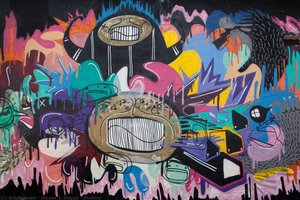
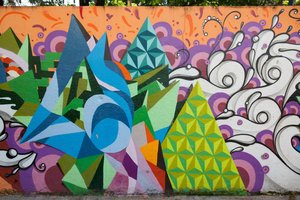
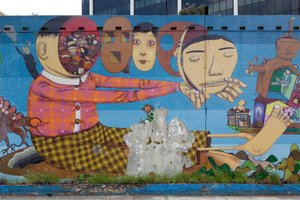
The soul of this collection lies in its extraordinary diversity, a kaleidoscope of techniques that range from the delicate precision of stencils and paste-ups to the monumental scale of sprawling murals. Visitors find themselves immersed in a visual dialogue between local legends and international masters. The surrealist dreamscapes of Os Gêmeos invite onlookers into fantastical worlds populated by yellow-skinned figures and mythological creatures, while the breathtaking, kaleidoscopic canvases of Kobra dominate the skyline with vibrant colors that radiate hope and global solidarity. In the quiet corners of the city, the works of Nina Pandolfo offer a more intimate exploration of identity and memory, proving that street art can be as much about whispered introspection as it is about loud, public proclamation.
What truly distinguishes this experience is its inherent evolution and the democratic spirit of its presentation. Unlike traditional institutions that focus on the preservation of the past, São Paulo Street Art embraces the ephemeral nature of its medium. The collection is in a state of constant flux; yesterday’s masterpiece may be layered over by today’s social commentary, mirroring the very dynamism of the city itself. This fluidity creates a unique sense of urgency for collectors and art enthusiasts alike—a realization that to witness these works is to participate in a fleeting moment of urban history. For the interior designer or the lover of contemporary aesthetics, the museum offers an unparalleled look at how raw, urban energy can be harnessed to transform spaces through bold color, striking geometry, and profound narrative power.
The historical weight of this movement is deeply intertwined with the legacy of the São Paulo Art Biennial , a tradition of innovation that dates back to 1951. This connection to high-art prestige lends a layer of sophisticated dialogue to the grit of the streets, bridging the gap between the avant-garde and the populist. As one wanders through the labyrinthine alleys, the influence of modernist masters like Oscar Niemeyer can be felt in the surrounding urban geometry, providing a structured backdrop to the spontaneous eruptions of color. It is a place where the distinction between vandalism and virtuosity dissolves, leaving behind only the pure, unadulterated power of human expression etched into the heart of Brazil.