
A Sanctuary of Korean Heritage: The Seokdang Museum of Dong-A University
Nestled within the vibrant tapestry of Busan, South Korea, the Seokdang Museum of Dong-A University isn’t merely a repository of artifacts; it's a living testament to centuries of artistic evolution and cultural resilience. Housed within some of the university’s oldest, most evocative buildings – including a planned relocation to the stately Old Law Courts building – this museum offers an immersive journey through Korean history, art, and intellectual life. More than just a display space, it's a carefully curated dialogue between past and present, inviting visitors to contemplate Korea’s rich narrative.
The museum’s origins are deeply intertwined with the founding of Dong-A University itself. Established in 1947 by Dr. Jae-hwan Jeong, pen-named Sokdang – a figure revered for his dedication to education and cultural preservation – the Seokdang Museum was conceived as a safeguard against the loss of Korea’s artistic legacy during the tumultuous years following World War II. This foundational commitment continues to shape the museum's mission today: not simply to showcase objects, but to actively engage with their stories and ensure their enduring relevance.
A Treasure Trove of Korean Artistic Legacy
The museum’s collection is remarkably diverse, spanning an astonishing breadth of time and artistic styles. Boasting over 30,000 artifacts – including two national treasures and ten designated treasures – the Seokdang Museum offers a panoramic view of Korea's artistic journey. Among its most prized possessions are the “Donggwoldo” (The Eastern Palaces), a breathtakingly detailed drawing commissioned by the Provisional Government in 1932, capturing a meticulously rendered panorama of Gyeongbokgung Palace and Changgyeonggung Palace. This monumental work is not just a historical document; it’s a testament to the artistic skill and political awareness of its creator.
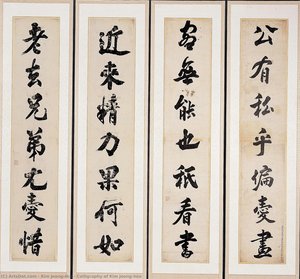
Beyond the grand scale of “Donggwoldo,” the museum houses an impressive array of smaller, equally significant works: exquisite Buddhist sculptures from the Goryeo dynasty, poignant calligraphy by Ahn Jung-geun (the assassin of Prince Itō Hirobumi), and a captivating collection of Annals of the Goryeo Dynasty – invaluable historical records offering insights into Korean society during that era. The museum’s archaeological reports, numbering over 75, further underscore its commitment to scholarly research and discovery, transforming it into a vital hub for understanding Korea's past.
Architectural Echoes and Historical Context
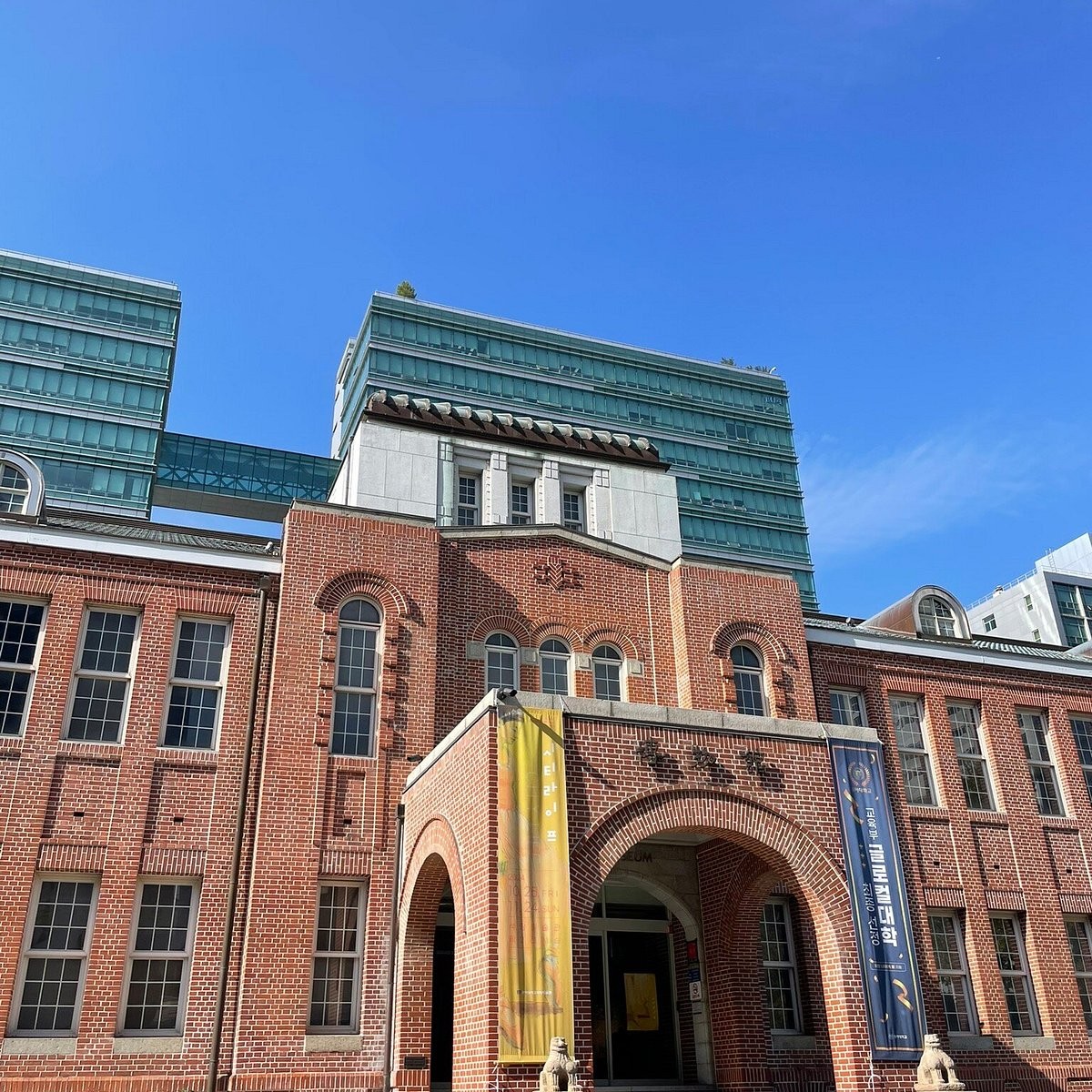
The Seokdang Museum’s physical setting is as compelling as its collection. Situated on the Gudeok Campus of Dong-A University, the museum occupies buildings that themselves carry significant historical weight. Originally serving as the Provisional Government Building and Busan District Public Prosecutors’ Office during the Korean War, these structures have witnessed firsthand the nation's struggles for independence. The planned move to the Old Law Courts building promises to further enhance the museum’s architectural appeal, creating a harmonious blend of history and modernity.
The campus itself is a serene oasis, bordered by the lush greenery of Daeshin Citizen’s Park – offering visitors a tranquil escape from the bustling city. This strategic location underscores the museum's commitment to fostering a connection between art, education, and the natural world.
A Living Museum: Exhibitions and Community Engagement
The Seokdang Museum is not a static institution; it’s an active participant in Korea’s cultural landscape. It regularly hosts joint exhibitions with other universities through the Korean Association of University Museums, ensuring that its collections remain fresh and engaging for a wide audience. These collaborations demonstrate the museum's dedication to sharing its treasures and fostering dialogue across institutions.
Furthermore, the museum actively engages with the local community through educational programs, lectures, and public events. Its affiliation with Dong-A University provides access to academic resources and expertise, creating a dynamic environment for both research and learning. The Seokdang Museum of Dong-A University is more than just a museum; it’s a vital center for preserving Korean heritage and inspiring future generations.