

A Sanctuary of Modernity: The Soul of Karuizawa
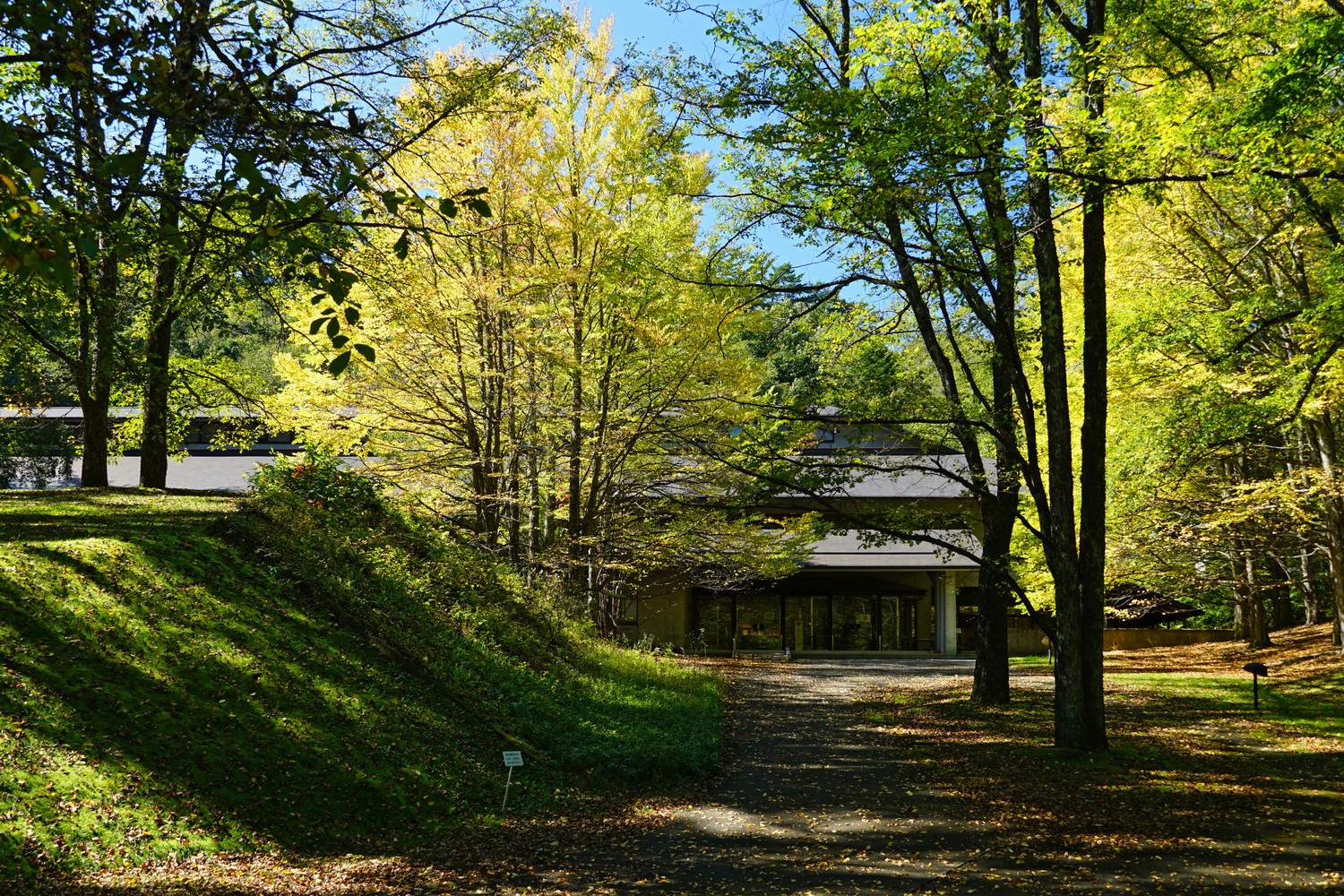
Nestled within the emerald embrace of Karuizawa’s breathtaking natural landscape, the Sezon Museum of Modern Art stands as more than a mere repository for fine art; it is a profound dialogue between human creativity and the serene rhythms of the earth. To enter this space is to step into a contemplative haven where the boundaries between the interior gallery and the whispering forests of Nagano Prefecture begin to dissolve. The museum’s history is one of preservation and evolution, tracing its lineage back to 1962 as the Tanakawa Museum, established by Yasujiro Tsutsumi to safeguard a burgeoning legacy of aesthetic brilliance. As it transitioned to its current location in 1981 and eventually absorbed the esteemed collection of the Saison Museum, it has matured into a vital cultural beacon, offering a sanctuary where the pulse of contemporary art beats in perfect harmony with the seasonal shifts of the Japanese highlands.
The architectural essence of the museum is a masterclass in organic integration, conceived by the visionary architect Kiyonori Kikutake. Rather than imposing itself upon the landscape, the structure acts as an architectural echo of the surrounding mountains and ancient trees. Utilizing a palette of natural materials such as cedar and stone, the design honors Japan’s deep-seated reverence for environmental connection. Large, expansive windows serve as living canvases, flooding the galleries with a soft, diffused daylight that breathes life into every brushstroke and sculpture. This deliberate transparency allows the art to exist not in isolation, but within a continuous flow of light and shadow, inviting visitors to experience works of art as part of a larger, breathing ecosystem.
A Tapestry of Visionary Masters
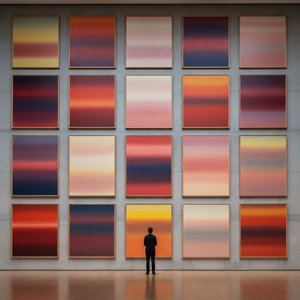
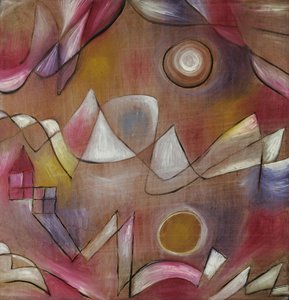
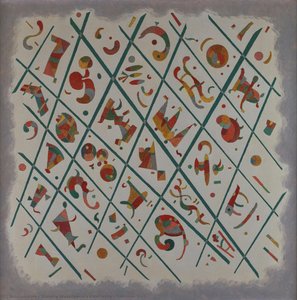
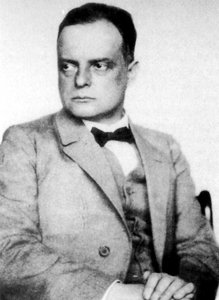
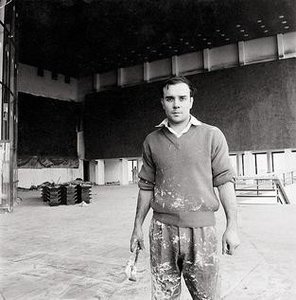
The collection held within these walls is a breathtakingly diverse tapestry, weaving together the bold, emotive threads of Western abstraction with the delicate, nuanced sensibilities of Japanese modernism. Collectors and enthusiasts will find themselves captivated by the museum’s ability to foster unexpected conversations between disparate eras and styles. One might find the monumental, color-saturated presence of Mark Rothko standing in silent, powerful communion with the sculptural precision of Isamu Noguchi. This juxtaposition is the heartbeat of the Sezon collection, where the visceral impact of Anselm Kiefer meets the ethereal, surrealist explorations of Man Ray. The museum’s strength lies in this very tension—the ability to present a world where non-representational forms and abstract textures challenge the viewer to engage with color and composition on a purely instinctive level.
Beyond the heavyweights of international modernism, the museum celebrates the profound contributions of Japanese masters such as Hisao Domoto and the innovative spirit of Michael Rikio Ming Hee Ho. The curation extends even beyond the gallery walls into the enchanting sculptural gardens designed by Isamu Wakabayashi. Here, art becomes an immersive, open-air experience; sculptures interact with meticulously pruned bonsai trees and tranquil ponds, creating a pathway of discovery that encourages a slower, more meditative pace. For the interior designer or the lover of fine aesthetics, the museum serves as an ultimate inspiration, demonstrating how the placement of form and the consideration of space can elevate the human spirit and transform a physical environment into a spiritual retreat.
A Legacy of Intellectual Discovery
Throughout its storied existence, the Sezon Museum of Modern Art has remained at the vanguard of contemporary artistic discourse, hosting groundbreaking exhibitions that push the limits of spatial perception. Notable past showcases, such as the collaborative exploration of space by Hiroshi Hara and Madeline Gins, have challenged audiences to reconsider how we inhabit and interpret our surroundings. The museum’s ability to celebrate both established legends, like the vibrant and mesmerizing Yayoi Kusama, alongside emerging talents ensures that its narrative is never static, but always moving toward new horizons of meaning. It remains a destination where the act of viewing is transformed into an act of feeling—a place where every visitor is invited to contemplate the profound beauty inherent in both the man-made masterpiece and the natural world.