

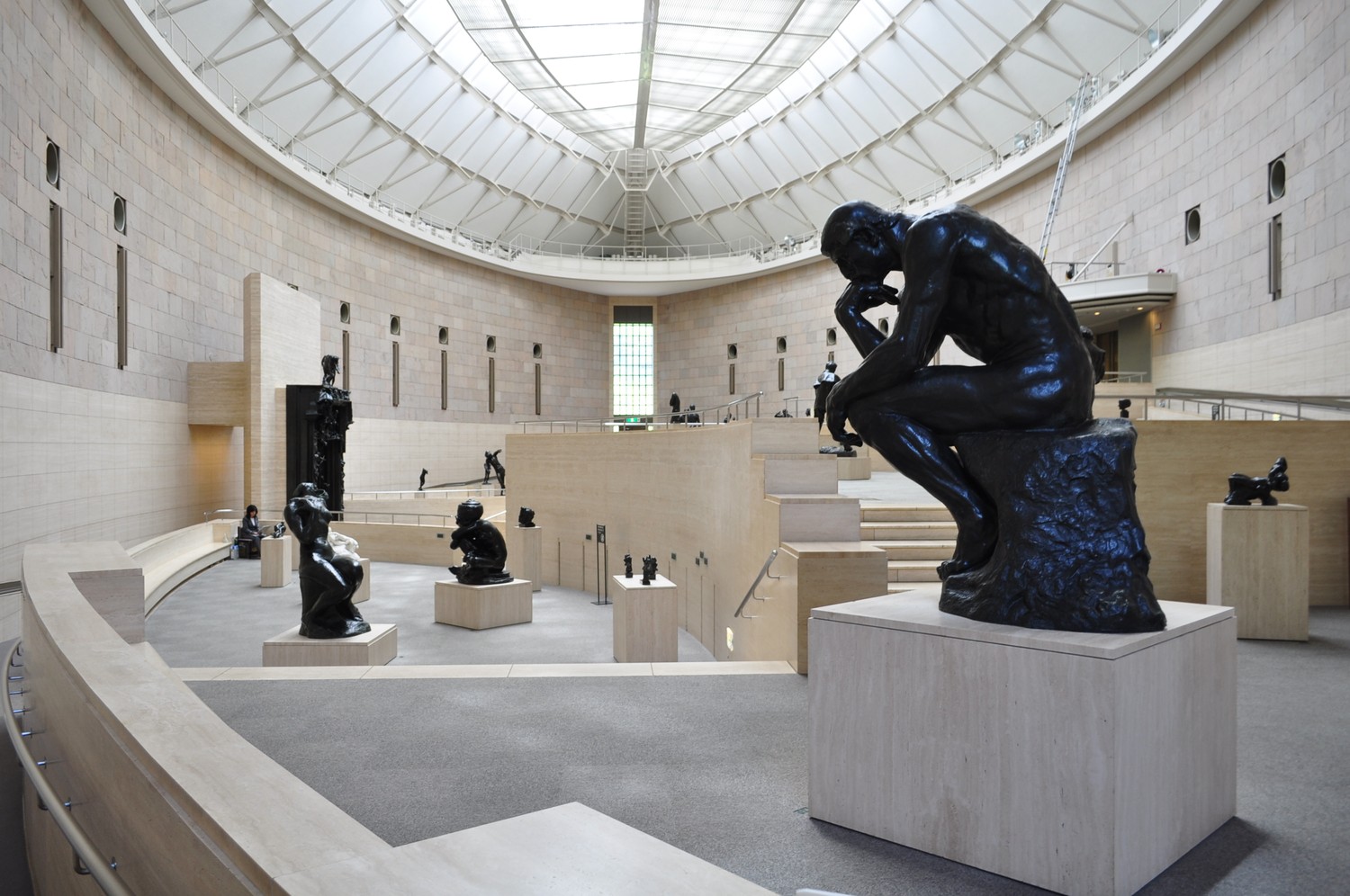
Table of Contents
Quick Facts
- Alternate names:
- Shizuoka Prefectural Museum of Art
- 静岡県立美術館
- Shizuoka Kenritsu Bijutsukan
- Art types:
- other
- wallart
- Movements:
- baroque
- neoclassical cartography
- romanticism
- Mediums:
- acrylic on canvas
- etching
- oil
- painting
- sculpture bronze
- More…
- Location: Shizuoka, Japan
- Featured artists:
- Auguste Rodin
- Eugène Henri Paul Gauguin
- Paulus Bril
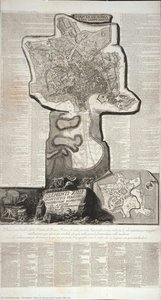
- Giovanni Battista Piranesi
- Erastus Dow Palmer
- Historical periods:
- 19th century
- early modern
- Works on APS: 34
Art Quiz
There is only one correct answer for each question.
Question 1:
What is the Shizuoka Prefectural Museum of Art primarily known for?
Question 2:
Which European artist is prominently featured in the museum's collection?
Question 3:
Mount Fuji holds a significant cultural importance in Japan and is extensively depicted in Japanese landscape art showcased at the museum.
Question 4:
Jakuchū Itō's 'Birds and Animals in the Flower Garden' exemplifies a unique artistic technique developed during which historical period?
Question 5:
The museum’s sculpture garden features monumental works by sculptors from both America and Japan.
Exhibited Artists
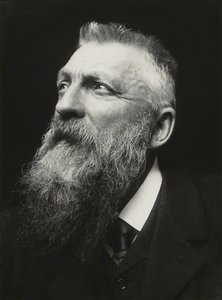
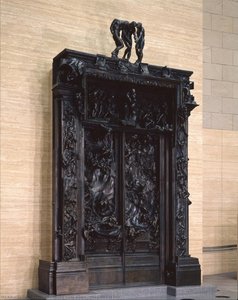
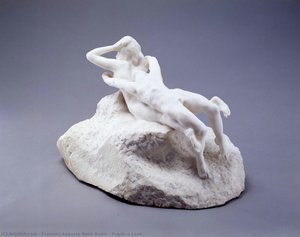
Auguste Rodin
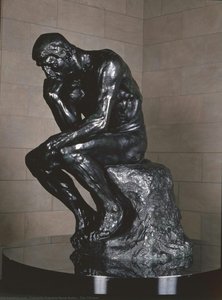
Discover the revolutionary sculptures of Auguste Rodin (1840-1917), pioneer of modern sculpture. Explore iconic works like 'The Thinker' & 'The Kiss,' capturing human emotion with unprecedented realism.

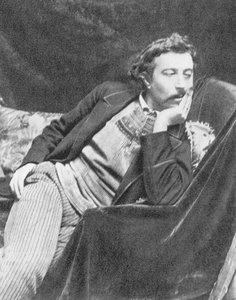
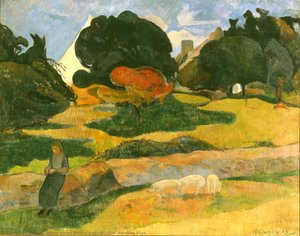
Eugène Henri Paul Gauguin
Paul Gauguin: A revolutionary Post-Impressionist painter known for bold colors, exotic subjects & Symbolist themes. Explore his journey from finance to artistic legend.
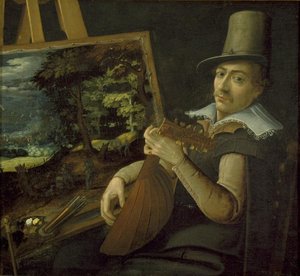
Paulus Bril
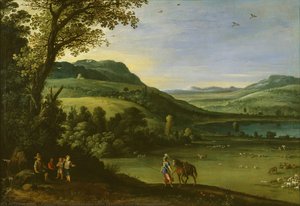
Paulus Bril (1554-1626): Flemish master of Italianate landscapes! Explore his serene Roman scenes, classical motifs & lasting influence on European art.
Related Articles
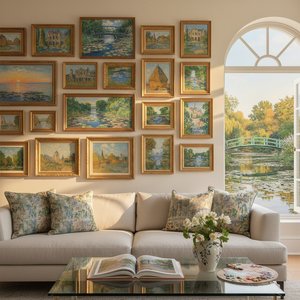
Monet's Masterpieces: 25 Iconic Artworks to Transform Your Home
Journey through 25 iconic Claude Monet masterpieces! Explore Impressionism’s beauty, from Water Lilies to Rouen Cathedral. Discover stunning art reproductions & curated decor ideas – explore the full collection online at ArtsDot.com.

Hokusai's Masterpieces: 25 Iconic Prints & Paintings for Art Lovers | ArtsDot
Journey through Katsushika Hokusai’s 25 most iconic artworks, including *The Great Wave*. Explore the ukiyo-e master's history, style & timeless Japanese woodblock prints. Find museum-quality reproductions for your home at ArtsDot.com.

Impressionist Landscapes: 10 Masterpieces for Your Home | ArtsDot
Journey through 10 iconic Impressionist landscapes by Monet, Renoir & Degas. Explore the history, techniques & emotions behind these masterpieces. Find museum-quality reproductions for your home at ArtsDot.com – where art comes to life! Discover all masterpieces on ArtsDot.com
List of Artworks


Subscribe to Our Newsletter
Stay updated with the latest art news, exclusive offers, and decoration ideas.
Get 3 Free Art Suggestions
Tell us about your project and our art experts will provide you with 3 personalized art suggestions.
Not Sure Where to Start?
Let Us Curate 3 Options Just for You - Free!