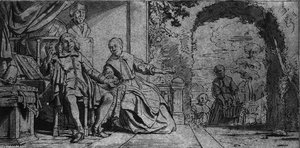
A Sanctuary of Shadows and Light
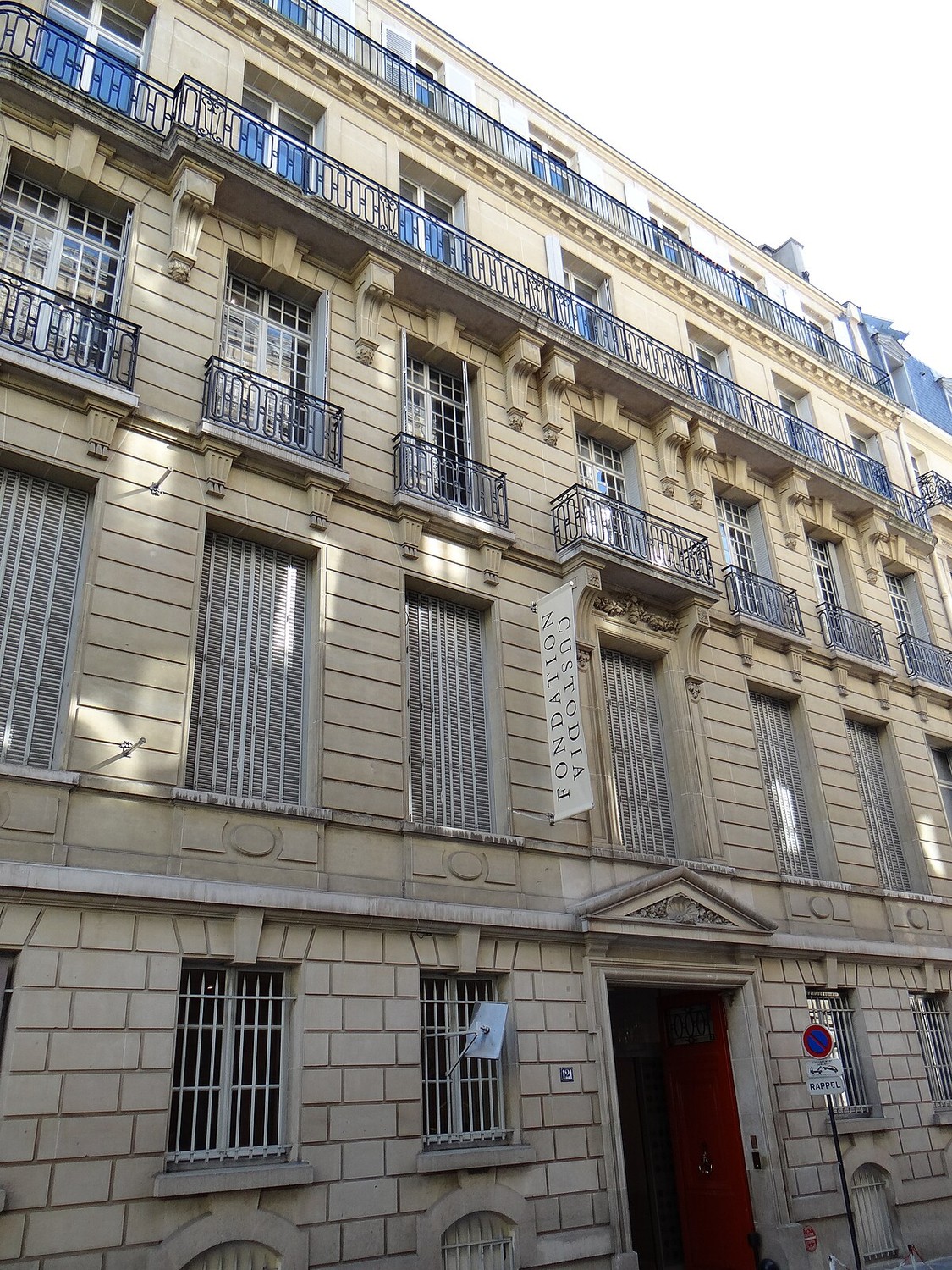
In the heart of Paris’s elegant 7th arrondissement, tucked away from the frenetic energy of the city’s grander institutions, lies a hidden gem that whispers rather than shouts. The Fondation Custodia, housed within the stately 18th-century Hôtel Turgot, offers an experience that is profoundly intimate and deeply scholarly. Stepping through its doors at 121 rue de Lille is akin to entering a private dialogue with history. Established in 1947 by the legendary art historian Frits Lugt and his wife Jacoba Lugt-Klever, this institution remains a testament to a lifelong devotion to the preservation of European artistic legacy. The architecture itself—a beautifully preserved mansion—serves as more than just a backdrop; it provides an atmosphere of refined aesthetic sensibility that prepares the visitor for the treasures held within its walls.
For the art lover, the museum offers a rare reprieve from the crowded corridors of larger galleries, providing instead a space for contemplative inquiry and a personal encounter with the masters of the past.
The Soul of the Line
While many museums seek to overwhelm with scale, Custodia finds its power in the delicate precision of the hand. The collection is anchored by a breathtaking assemblage of over 7,000 drawings, a repository that captures the very essence of artistic creation. Here, one can trace the evolution of European mastery through the meticulous use of line and shade. From the sweeping, energetic strokes of Rubens to the luminous, atmospheric vistas of Canaletto, the collection invites a study of technique that is both technical and emotional. For the discerning collector or the lover of fine detail, there is no greater joy than witnessing the raw, unmediated thought of the Old Masters captured on paper. This focus on the soul of drawing creates a unique museum experience where the viewer is not merely an observer but a witness to the moment of inspiration.
A Legacy in Ink and Oil
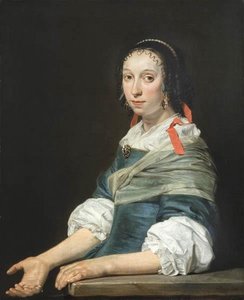
The depth of the foundation’s holdings extends into the profound psychological landscapes of printmaking and the evocative beauty of oil painting. Perhaps most remarkable is the unparalleled collection of Rembrandt etchings, which includes nearly his entire body of prints. These works demonstrate a technical brilliance that transcends time, using the interplay of light and darkness to explore the complexities of human emotion. Complementing these graphic masterpieces are approximately 450 paintings that offer a diverse panorama of European life. Whether it is the soft, romanticized scenes reminiscent of Antoine Watteau or the sweeping, classical landscapes of Claude Lorrain, these canvases provide a visual feast of color and narrative. For interior designers and art enthusiasts alike, the collection serves as an eternal wellspring of inspiration, offering timeless themes of beauty, emotion, and the enduring human experience.