

A Sanctuary of Light and Vision: The High Museum of Art
Nestled within the vibrant pulse of Midtown Atlanta, the High Museum of Art stands as a luminous beacon of creativity, a place where the echoes of history meet the bold strokes of contemporary innovation. To step into the High is to enter a curated dialogue between the past and the future. The museum’s journey, which began in 1905 as the Atlanta Art Association, is a profound narrative of resilience and community spirit. It is a story famously marked by a moment of deep cultural solidarity: following the tragic 1962 plane crash that claimed the lives of beloved local patrons, the Louvre shared the iconic Whistler's Mother with Atlanta, a gesture of compassion that forever cemented this institution as a vital custodian of global artistic heritage.
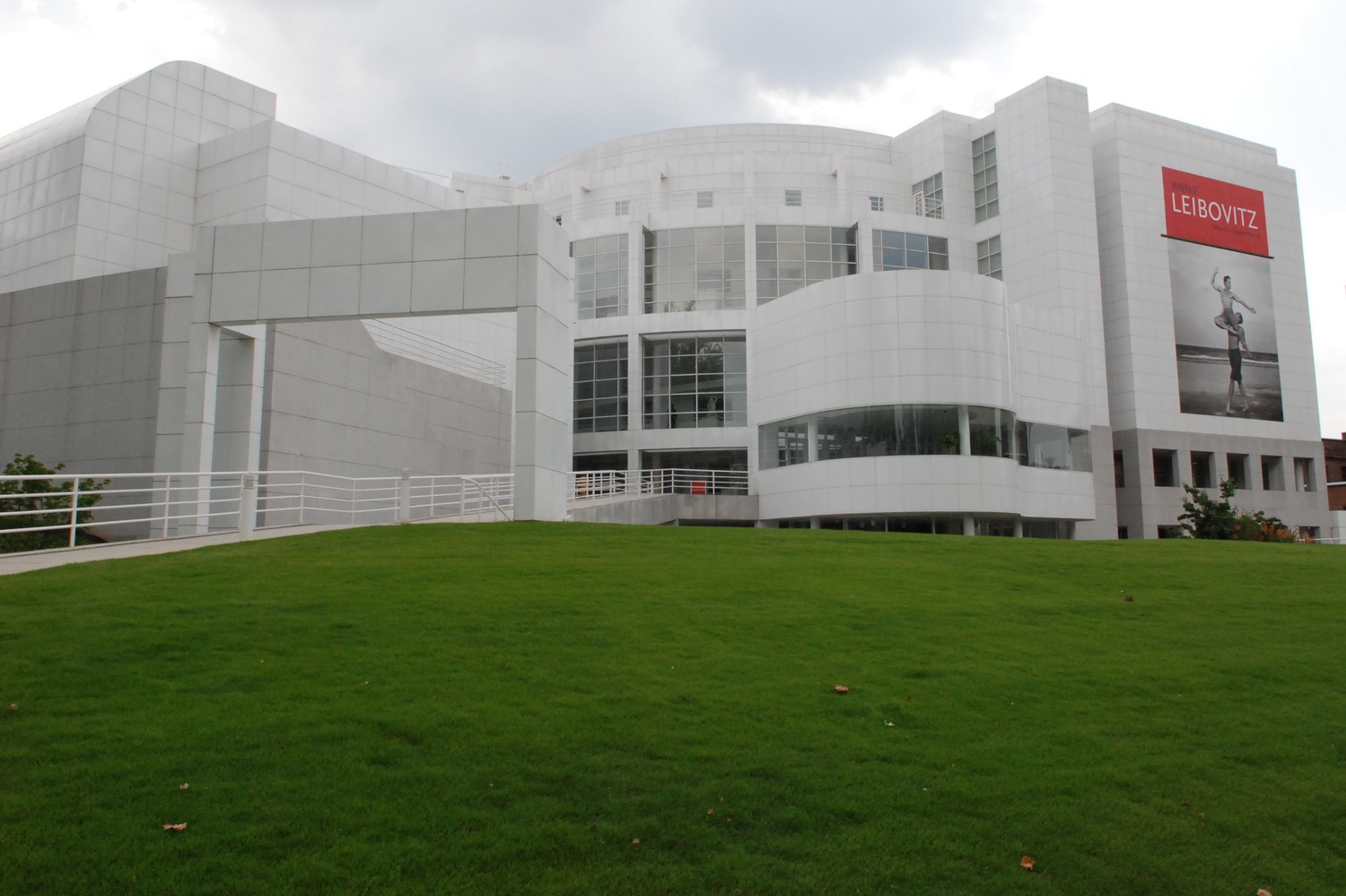
The very bones of the museum offer an experience as profound as the works it houses. The architecture is a breathtaking conversation between two masters of form. Richard Meier’s 1983 original structure provides a foundation of modernist elegance, defined by its striking white enamel façade and precise geometric clarity. This serene landscape was later transformed by Renzo Piano, whose 2005 expansion introduced an ingenious system of one thousand light scoops. These architectural apertures allow soft, natural illumination to flood the galleries, creating a rhythmic interplay of shadow and brilliance that elevates the act of viewing art into a meditative experience. For the interior designer or the lover of aesthetics, the building itself serves as a masterpiece of structural harmony, where light becomes an active participant in the exhibition.
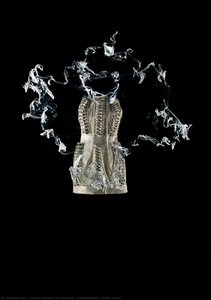
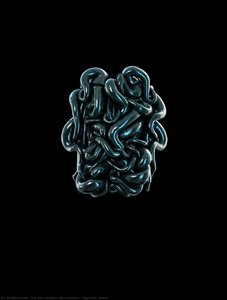
The soul of the High Museum resides in its staggering diversity, boasting a collection of over 18,000 artworks that traverse continents and eras. Collectors and scholars alike find sanctuary in its rich tapestry of 19th- and 20th-century American decorative arts, where textiles and furniture reveal the intimate aesthetic sensibilities of bygone generations. The museum also serves as a vital stage for the raw, emotive power of folk and self-taught art, celebrating voices that operate beyond the traditional academic canon. From the intricate, spiritual carvings of African Art—spanning from Nigeria to Ethiopia—to the mesmerizing ceremonial objects of Oceanic traditions, the collection is a global mosaic. This breadth is matched by a commitment to the contemporary, featuring works that push the boundaries of photography, installation, and sculpture.
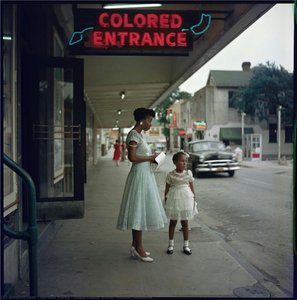
What truly distinguishes the High Museum is its role as a living, breathing cultural hub that transcends the boundaries of a traditional gallery. It is a space where art sparks essential social dialogue and community connection. The museum’s halls have been graced by groundbreaking exhibitions celebrating local legends such as Eldren M. Bailey , whose monumental cement sculptures blend folk traditions with modernist grit, and Nellie Mae Rowe , whose vibrant, soulful collages investigate the complexities of race and domestic life. Through festivals, film screenings, and educational programs, the High ensures that art is not merely observed but experienced, making it an indispensable destination for anyone seeking to be moved by the transformative power of human expression.