
A Baroque Treasure Within Schloss Johannisburg
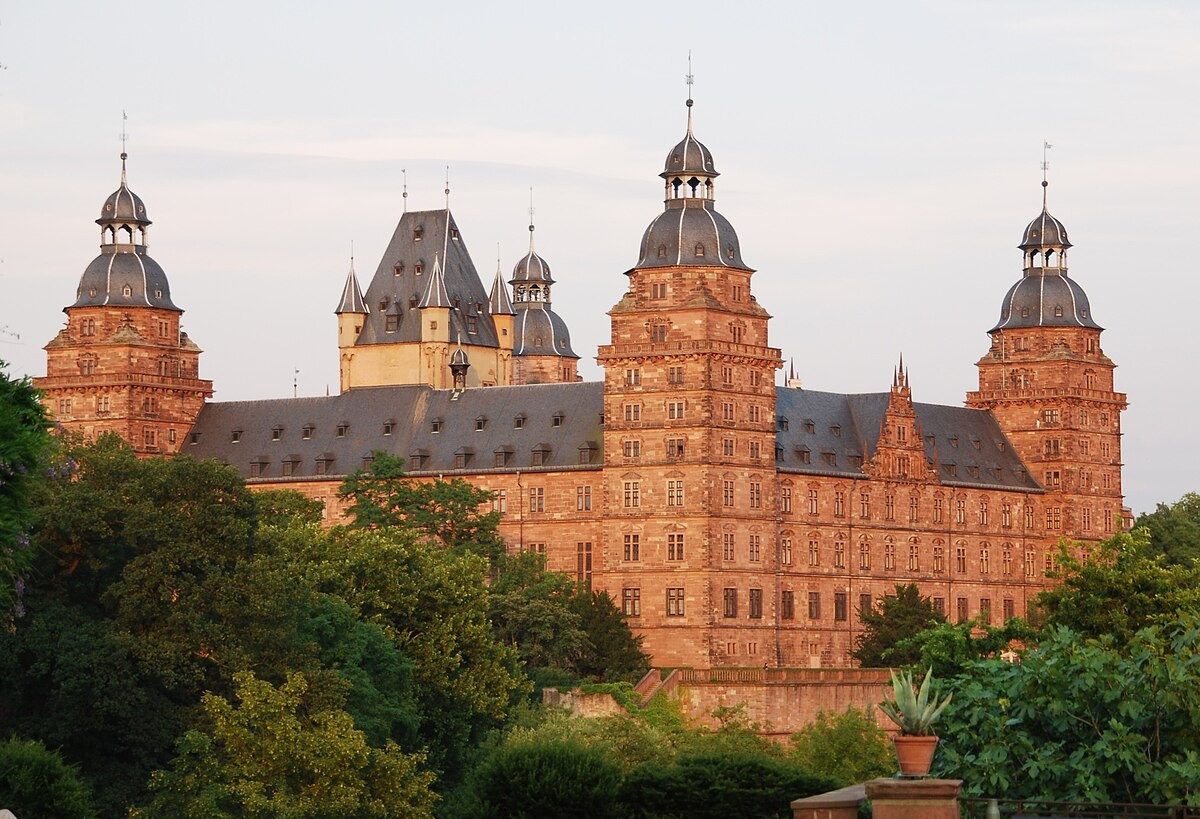
Nestled within the formidable walls of Schloss Johannisburg, the Staatsgalerie Aschaffenburg serves as a breathtaking portal to the grandeur of the Bavarian Baroque era. This is not merely a museum; it is an immersive experience where the architectural majesty of a Gothic and Renaissance fusion meets the refined tastes of 18th-century aristocracy. Established in 1792 by the visionary Friedrich Karl Joseph von Erthal, Elector of Mainz—a true connoisseur with an unwavering devotion to excellence—the gallery has grown into the largest of Bavaria's State Painting Collections outside of Munich. To walk through its halls is to trace the footsteps of a patron whose legacy offers visitors an unparalleled glimpse into the theatricality and splendor of a transformative period in art history.
Mastery of Light and Narrative
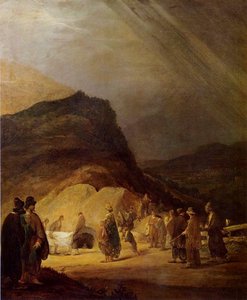
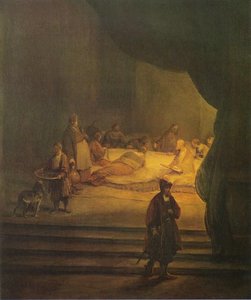
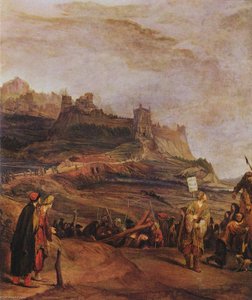
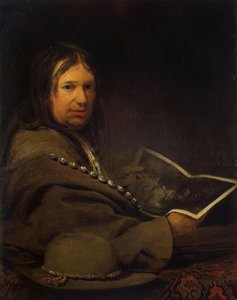
The heart of the collection beats with the dramatic pulse of German and Netherlandish masters. Visitors are invited to lose themselves in the profound biblical narratives of Lucas Cranach the Elder, whose prolific brushwork continues to shape our understanding of Northern Renaissance sensibilities. The gallery’s strength lies in its ability to showcase the intense emotion characteristic of the Baroque period; one can almost feel the tension in the emotive canvases of Jacob Jordaens or witness the masterful interplay of light and shadow—the celebrated chiaroscuro—found in the works of Rembrandt’s followers. For the discerning collector or interior designer, these works offer more than just aesthetic beauty; they provide a profound study in texture, depth, and atmosphere, making them timeless inspirations for any curated space.
The Intimacy of Everyday Life and Rare Artistry
Beyond the monumental religious scenes, the Staatsgalerie offers an intimate glimpse into the soul of the past through its captivating genre paintings and landscapes. The works of artists such as Pieter Bruegel the Elder transport the viewer to vibrant rural communities, where seasonal rituals and social customs are rendered with exquisite detail. Yet, perhaps the most enchanting secret of this museum is its extraordinary collection of cork models. These miniature sculptures, crafted with meticulous precision, represent a singular achievement in craftsmanship, reflecting the Baroque fascination with natural forms and the inventive spirit of the age. This rare juxtaposition of grand oil paintings and delicate, tactile models ensures that every visit to Aschaffenburg is a discovery of both the epic and the infinitesimal.