
A Tapestry of Time: The Soul of the Gulf South
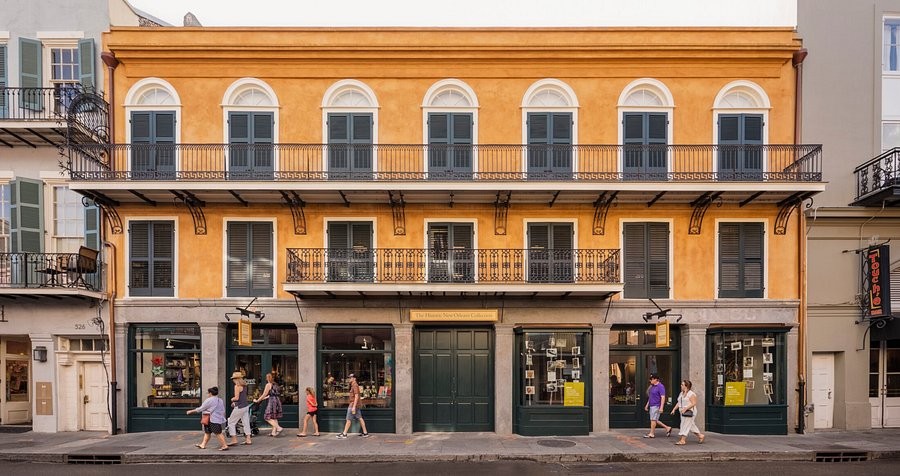
To step into The Historic New Orleans Collection is to surrender oneself to a profound narrative of endurance, culture, and elegance. Nestled in the heart of the French Quarter, this institution serves as much more than a mere repository for artifacts; it is a living, breathing window into the very soul of Louisiana. Founded in 1966 by the visionary L. Kemper Williams and his wife, Leila, the collection was born from a deeply personal mission to preserve the intricate threads of Creole heritage, maritime history, and the complex social tapestries that define the Gulf South. For the discerning art lover or the collector of histories, the museum offers an immersive journey where every object—from a delicate piece of jewelry to a sweeping landscape painting—whispers stories of a bygone era.
The architectural landscape of the complex is itself a masterpiece of historical preservation, offering a sensory experience that transcends traditional museum visits. Visitors may find themselves wandering through the Merieult House , a beautifully restored Spanish Colonial edifice from 1853 that houses the Louisiana History Galleries. The elegance of its period details provides a breathtaking backdrop for the museum's treasures. In stark contrast, the Williams Residence invites guests into an opulent Italianate world built in 1889, furnished with original antiques that evoke the sophisticated lifestyle of the early twentieth century. This architectural dialogue between colonial simplicity and late-century grandeur creates a unique atmosphere, making the museum an essential destination for interior designers seeking inspiration from authentic period aesthetics.
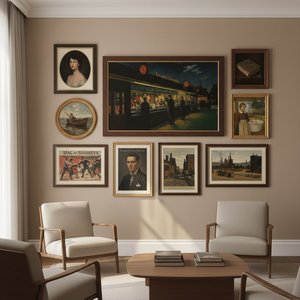
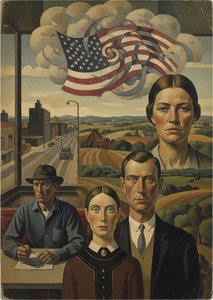
The sheer scale of the holdings is nothing short of staggering, boasting over 350,000 items that document the evolution of a region. The collection is a feast for the eyes, featuring meticulously preserved drawings, paintings, and an incredible array of photographs that capture pivotal moments in Louisiana’s history. Beyond the visual arts, the museum's library—a scholarly sanctuary containing approximately 35,000 volumes—offers deep intellectual nourishment for researchers and historians alike. Whether exploring themes of Mardi Gras traditions or the profound influence of French and Spanish colonization, the collection provides a holistic view of how identity is forged through art and lived experience.
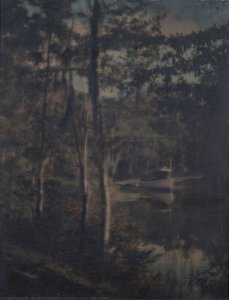
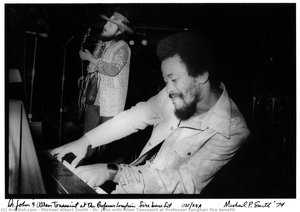
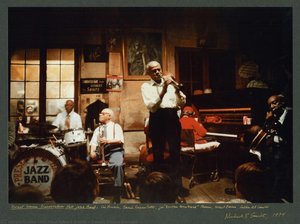
What truly distinguishes The Historic New Orleans Collection is its commitment to the continuous dialogue between the past and the present. This vitality is most evident in its rotating exhibitions, which frequently bridge the gap between historical record and contemporary artistic expression. Recent showcases, such as New Orleans Musicians in Art and explorations of Louisiana Impressionism, demonstrate a curated effort to highlight the rhythmic, melodic, and visual legacies of the region. For those who appreciate the intersection of culture, spirit, and material history, the museum stands as an unparalleled sanctuary, offering a continuous stream of discovery that resonates long after one has left its historic halls.