



A Window into the Unfiltered Soul: The International Museum of Children's Art
Located in the vibrant cultural heart of Oslo, Norway, The International Museum of Children's Art serves as a profound sanctuary for the pure, unadulterated spirit of human creativity. It is a place where the boundaries between age and experience dissolve, allowing visitors to witness the world through a lens of radical innocence. Unlike traditional institutions that often focus on the technical mastery of seasoned masters, this museum celebrates the transformative power of the formative years. Here, art is not merely an object of study but a living dialogue about imagination, cultural identity, and the raw emotional truth that exists before the weight of adult cynicism takes hold. To walk through its halls is to embark on a journey of rediscovery, reconnecting with the primal urge to interpret our surroundings with fresh, unburdened eyes.
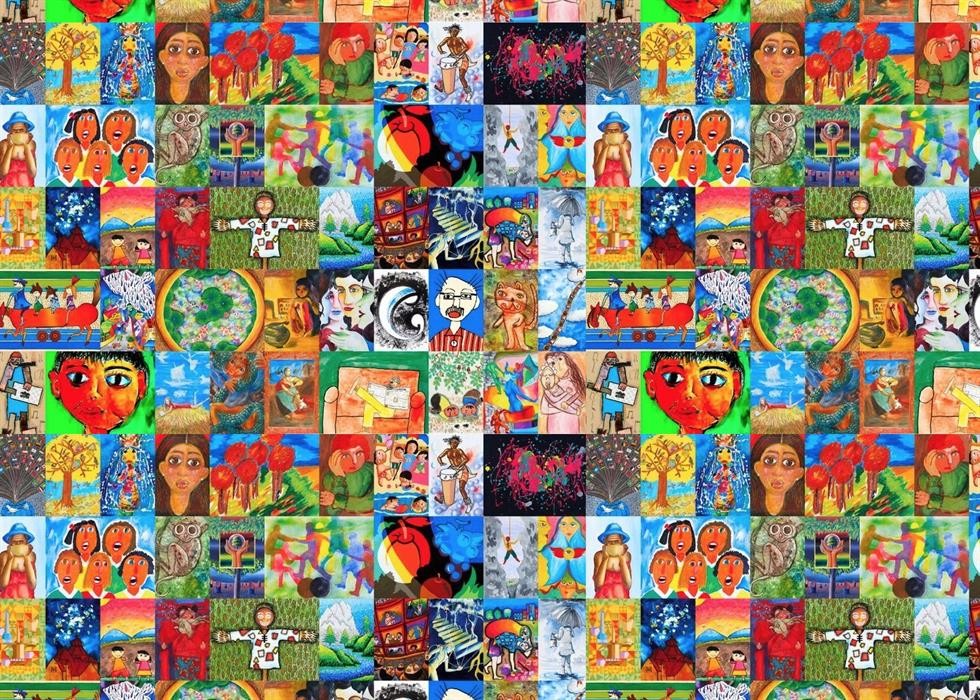
The museum’s collection is a breathtaking tapestry of global perspectives, weaving together threads from every corner of the earth. One might find themselves mesmerized by the rhythmic, hypnotic patterns of Aboriginal dot paintings standing in silent conversation with the whimsical, storytelling charm of Scandinavian folk art. The exhibits are characterized by an extraordinary diversity of medium and mood; canvases burst with the vivid, saturated colors of fantastical creatures and dreamlike landscapes that defy the laws of physics. These works capture a unique form of authenticity—a spontaneous outpouring of joy, curiosity, and even poignant melancholy. For the collector or the interior designer, these pieces offer more than mere decoration; they provide a soulful resonance, capable of infusing a modern space with a sense of wonder and a deep, multicultural narrative.
The architectural setting of the museum is as much a masterpiece as the art it houses. Designed with a nod to neoclassical grandeur, the building reflects a sophisticated balance of light and space. The structure, inspired by the principles of the renowned architect Karl Friedrich Schinkel, utilizes luminous interiors to foster an environment of quiet contemplation. A central staircase, rendered with such meticulous detail that it evokes the precision of a classical pencil drawing, serves as the museum's visual anchor. This architectural elegance pays homage to Prussian heritage while maintaining an accessible, welcoming atmosphere that invites families and scholars alike to explore. The design ensures that the building does not overshadow the art but rather provides a majestic stage for the vibrant, youthful energy contained within its walls.
Beyond its permanent treasures, the museum acts as a vital cultural bridge, connecting the local landscape of Oslo to the global community. Situated near the lush greenery of the Lustgarten, the institution fosters a seamless connection between artistic expression and the natural world. It is a place where educational engagement is paramount, turning every visit into a dynamic process of collaborative storytelling and discovery. Whether one is moved by the historical echoes found in watercolor depictions of the Oslo waterfront or inspired by the intricate, tile-like complexities of historical tributes, the museum remains an enduring testament to the idea that creativity knows no age. It stands as an essential destination for anyone seeking to find beauty in the simplest of perspectives and to celebrate the universal language of the human heart.