


A Tapestry of Craft and Vision: The Soul of Zagreb
In the vibrant heart of Zagreb, where history breathes through the cobblestone streets, stands a sanctuary dedicated to the profound intersection of utility and beauty. The Museum of Arts and Crafts is not merely a repository for relics; it is a living testament to the enduring spirit of human creativity. Established in 1880 by the visionary Izidor Kršnjavi, the museum was born from a noble ambition to breathe new life into Croatian craftsmanship. Inspired by the transformative ideals of England’s Arts and Crafts movement and the architectural theories of Gottfried Semper, this institution was conceived as an incubator for excellence—a place where the master craftsman and the fine artist could meet to elevate the very fabric of everyday life.
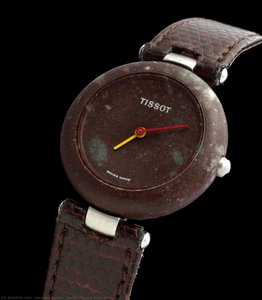
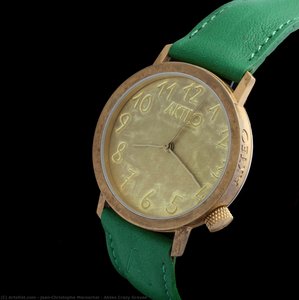
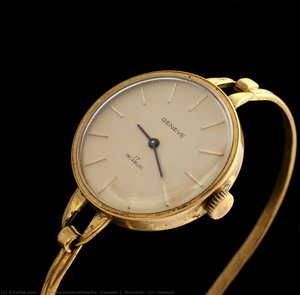
To walk through its doors is to embark on a sensory journey across centuries. The museum’s vast holdings, exceeding 160,000 objects, offer a panoramic view of artistic evolution from the 4th to the 20th century. One might find themselves lost in the delicate intricacies of fine ceramics, the rhythmic precision of antique clocks and watches, or the shimmering elegance of glasswork and metalwork. For the collector and the connoisseur, the collection is a treasure trove of diverse media, including ivory, textiles, and even painted leather, each piece telling a story of cultural identity and technical mastery. The museum’s ability to trace the stylistic shift from the solemnity of the Gothic era through the opulence of the Renaissance to the sleek modernity of Art Deco creates a narrative arc that is as intellectually stimulating as it is visually breathtaking.
Architectural Grandeur and the Legacy of Design
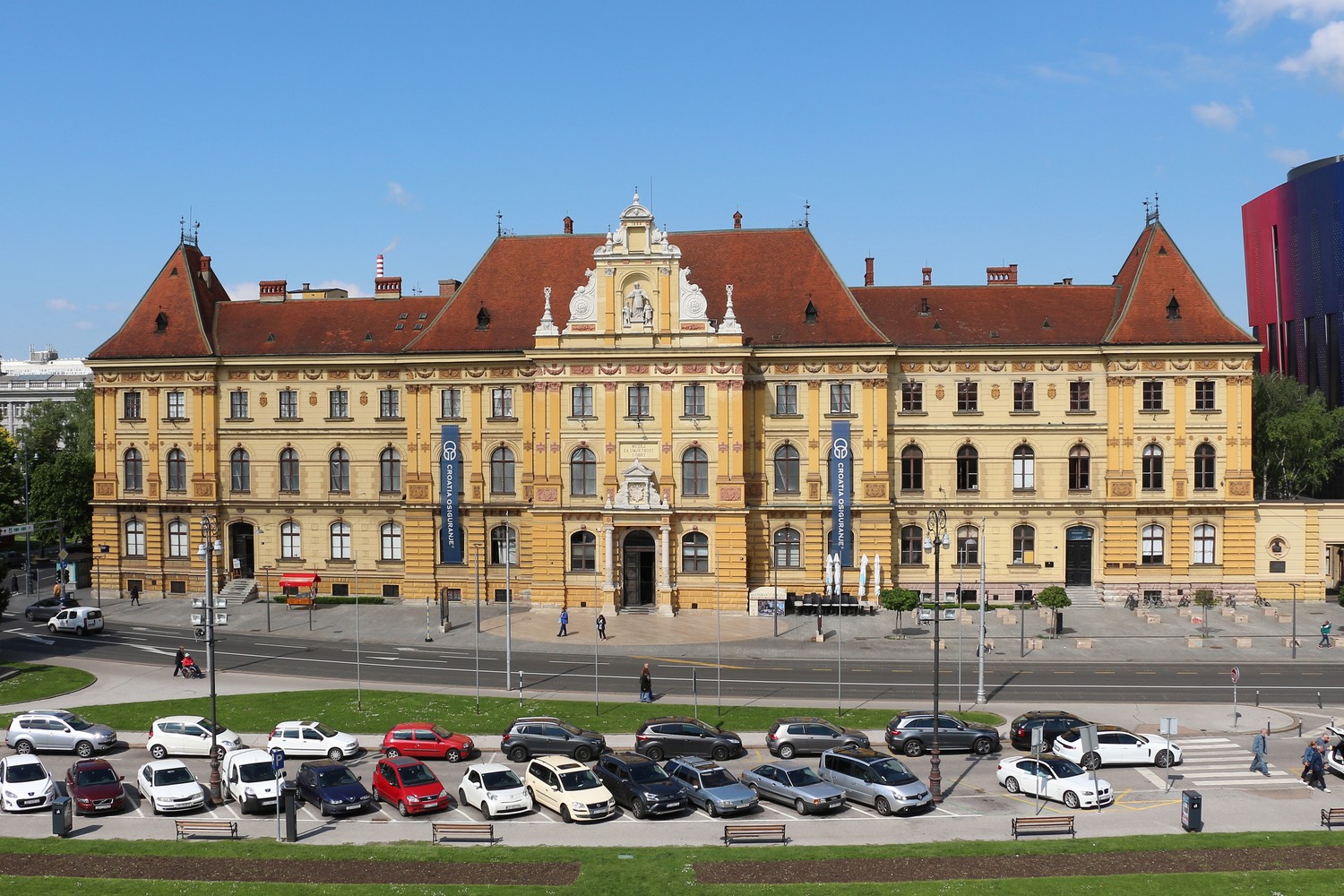
The museum’s physical presence is as much a masterpiece as the treasures it protects. Designed by the renowned Hermann Bollé and completed in 1888, the building itself serves as a grand historicist palace. Drawing inspiration from the stately elegance of German Renaissance architecture, the structure was one of Zagreb's first purpose-built edifices designed to seamlessly merge pedagogical function with artistic exhibition. This architectural harmony reflects the museum’s dual role as both a gallery and a school—the Crafts School, established alongside the museum in 1882, has long served to nurture the next generation of designers, ensuring that the flame of innovation never flickers out.
For interior designers and lovers of aesthetic history, the museum offers unparalleled inspiration. The spatial arrangement, notably refined in recent decades by visionaries like Vladimir Maleković and Marijan Hržić, allows for a fluid exploration of form and function. The permanent display, spanning over 2,000 square meters, is curated to highlight how design influences our environment. Whether it is the structural integrity of furniture or the delicate ornamentation of decorative arts, the museum demonstrates how the objects we surround ourselves with define our cultural landscape. It remains a vital landmark where the preservation of traditional techniques meets the burgeoning possibilities of contemporary product and graphic design.
A Living Monument to Cultural Resilience
What truly distinguishes The Museum of Arts and Crafts is its unwavering commitment to the continuity of heritage. It is an institution that does not just look backward with nostalgia but looks forward with purpose. Through its specialized restoration workshops, the museum actively safeguards invaluable collections, ensuring that the delicate textures of ancient textiles and the luster of fine metals are preserved for posterity. Even in times of challenge, such as the recent period of closure following earthquake damage to certain collections, the museum’s dedication to protecting Croatia's cultural soul has remained steadfast.
Beyond its walls, the museum functions as a dynamic cultural engine, engaging with the public through educational programs and international collaborations. It is a place where history is not static but is constantly being reinterpreted through new exhibitions and scholarly inquiry. For anyone seeking to understand the heartbeat of Croatian artistry, the museum offers more than an exhibition; it offers an immersion into a legacy of craftsmanship that continues to shape the aesthetic consciousness of the modern world.