

A Sanctuary of Creative Spirit in the Heart of Gramercy
In the bustling tapestry of Manhattan, where the frantic energy of New York City often obscures the quiet whispers of history, lies a sanctuary of profound artistic devotion: The National Arts Club. Situated at 15 Gramercy Park South, this institution is far more than a mere gallery; it is a living, breathing embodiment of the city's enduring creative pulse. Founded in 1898 by Charles DeKay—the discerning art and literary critic for The New York Times—the Club was born from a visionary conviction that the arts required a dedicated home where exploration could flourish uninterrupted. From its very inception, the Club stood as a pioneer of inclusivity, bravely opening its doors to women artists at a time when such opportunities were vanishingly rare in the wider art world. This foundational ethos of radical welcome has shaped the Club into a cornerstone of cultural heritage, fostering a community where the boundaries between different disciplines dissolve into a singular, shared passion for beauty and expression.
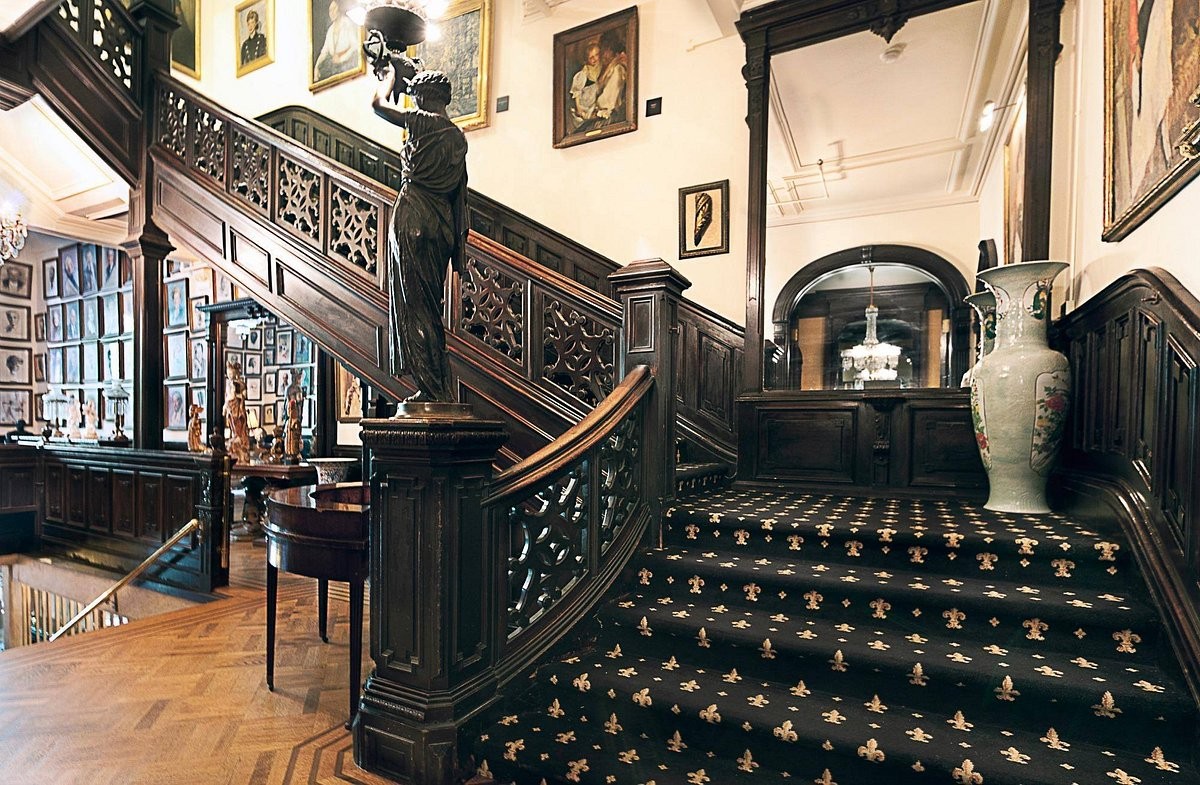
To enter The National Arts Club is to step through a portal into the Gilded Age, leaving the modern skyline behind for the grandeur of the Samuel J. Tilden House. This magnificent Victorian Gothic Revival brownstone, a National Historic Landmark, serves as an architectural jewel that complements the very art it houses. Reimagined by the legendary Calvert Vaux—the co-architect of Central Park—the building’s stately presence is felt in every corner, from its spacious, light-filled galleries to its intimate, historic parlors. Visitors often find themselves captivated by the breathtaking interiors, where an elegant stained-glass dome casts a soft, ethereal glow over spaces that have served as backdrops for acclaimed productions like The Marvelous Mrs. Maisel. For the interior designer or the lover of fine architecture, the Club offers an unparalleled masterclass in how historic grandeur can be seamlessly integrated with contemporary cultural life.
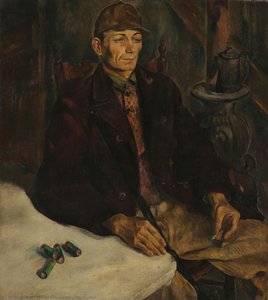
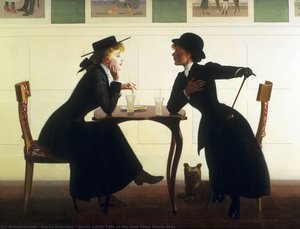
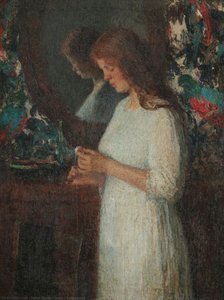
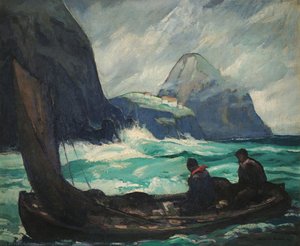
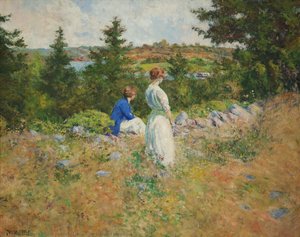
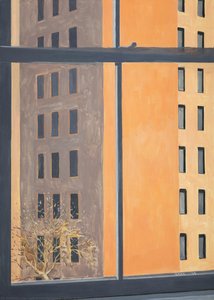
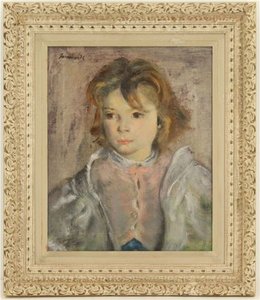
The soul of the Club resides in its vibrant, multidisciplinary programming, which transcends the traditional boundaries of a museum. While its galleries showcase a rotating tapestry of visual arts—featuring works by luminaries such as Ross Bleckner, Edmund Greacen, Charles Theriat, and Carlos Quintana—the institution’s mission extends into the realms of theater, dance, fashion, literature, and music. Recent exhibitions have delved into poignant themes of memory, loss, and the shifting tides of societal change, proving that the Club remains deeply engaged with the contemporary zeitgeist. This commitment to democratizing art is perhaps most evident in its dedication to public access; despite its private membership, much of its programming and exhibitions are offered free of charge, ensuring that the transformative power of the fine arts remains accessible to all who seek inspiration.
For collectors and connoisseurs, The National Arts Club represents a unique intersection of history and innovation. It is a place where the legacy of great patrons like Henry Frick and J. Pierpont Morgan meets the fresh energy of emerging talents. Whether one is attending an intimate musical performance under the historic arches or wandering through a contemporary exhibition, the experience is defined by a sense of profound connection. It is a rare space where ideas converge, where the echoes of the past inform the visions of the future, and where the simple act of observing art becomes a communal celebration of the human spirit.