

A Sanctuary of Infinite Narratives
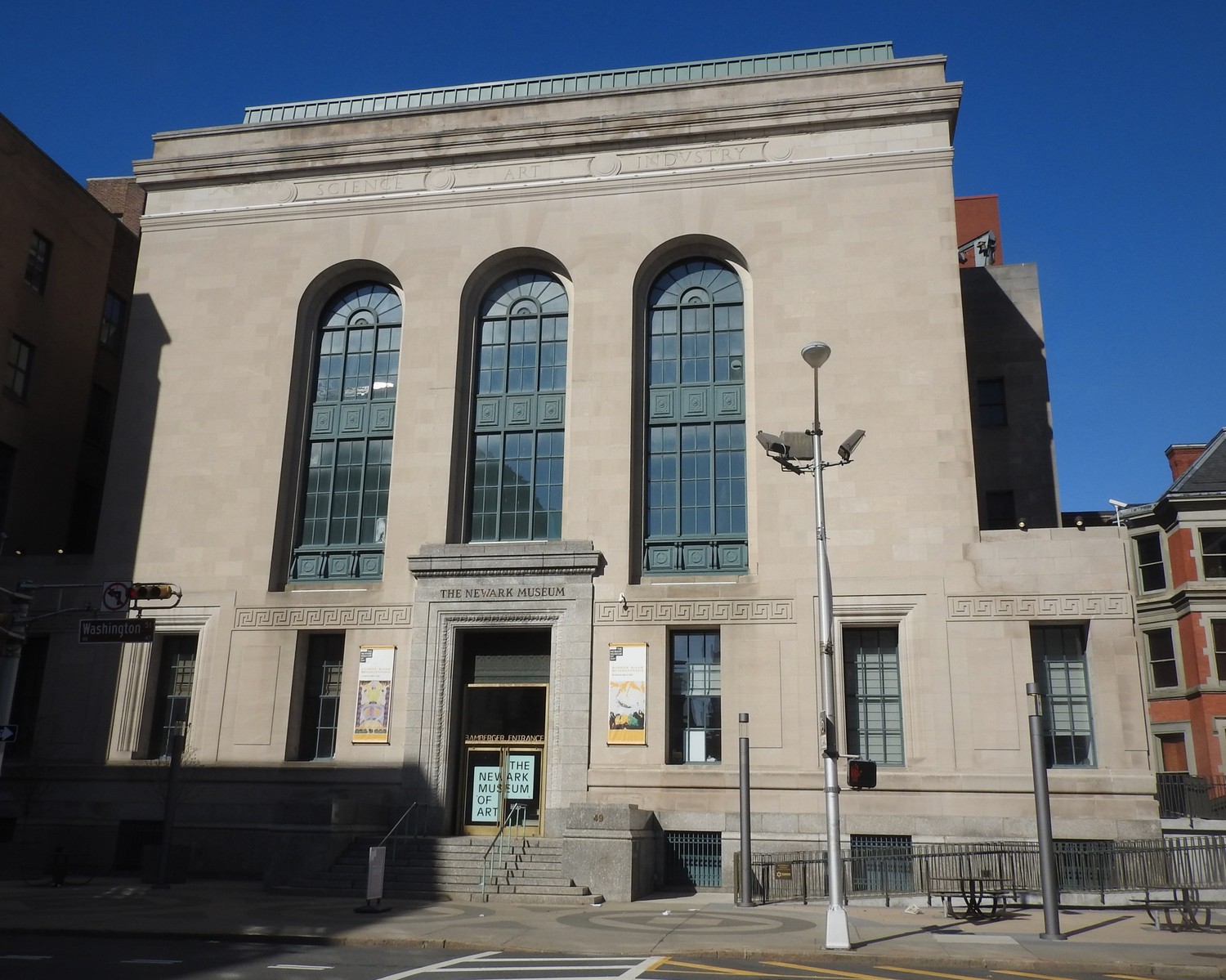
In the vibrant heart of Newark, New Jersey, where the city’s energy pulses with a restless, creative spirit, stands a cultural sanctuary that transcends the boundaries of time and geography. The Newark Museum of Art is far more than a mere repository for precious objects; it is a living, breathing intersection where art, science, history, and technology converge to ignite the human imagination. Since its inception in 1909—born from the visionary ideals of librarian and reformer John Cotton Dana within the walls of the Newark Public Library—the institution has evolved into the state’s largest and most significant cultural landmark. What began as a modest collection of Japanese prints, silks, and porcelains gifted by a local pharmacist has blossomed into a global destination, reflecting both the industrious spirit of its home city and the profound complexities of our shared human heritage.
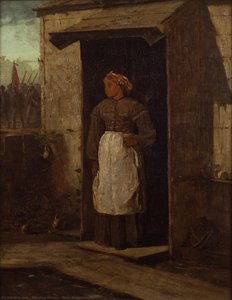
The museum's strength lies in its breathtakingly diverse holdings, offering a tapestry of narratives that span continents and centuries. For those drawn to the romanticism of the American landscape, the galleries present a sublime journey through the works of Thomas Cole and Albert Bierstadt , whose canvases capture the untamed majesty of the American wilderness. The collection further explores the nuances of identity and society through the sophisticated portraits of John Singer Sargent and Mary Cassatt , alongside the evocative, lonely cityscapes of Edward Hopper . Yet, it is perhaps the museum’s Tibetan art collection that offers a truly transcendent experience. Housing over 5,000 sacred objects—including intricate paintings, ritual implements, and textiles—this collection provides an immersive window into the spiritual world of Tibet, anchored by an in-situ Buddhist altar that was personally consecrated by the Dalai Lama himself.
Architectural Grandeur and Modern Innovation
The architectural setting of the museum is as much a masterpiece as the art it protects. Designed by the renowned architect Jarvis Hunt and completed in 1926 through the generosity of Louis Bamberger, the building is a triumph of Beaux-Arts grandeur infused with modernist innovation. The structure was conceived to foster deep engagement, utilizing expansive windows that flood the galleries with natural light, creating an atmosphere of serene contemplation. As visitors move through the halls, they encounter a seamless blend of historical weight and contemporary lightness, a design philosophy that has allowed the museum to integrate subsequent expansions, such as the former YMCA building, into a cohesive whole.
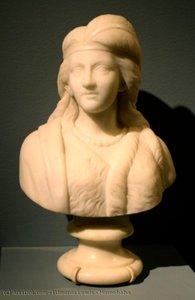
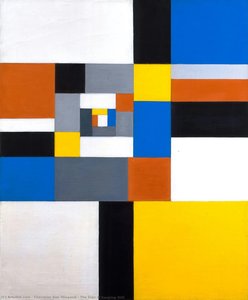
This architectural legacy provides a majestic stage for the museum's rotating exhibitions, which range from monumental retrospectives of Georgia O’Keeffe and Frank Stella to cutting-edge installations that tackle modern themes of social justice and environmental stewardship. For the art lover, the collector, or the interior designer seeking inspiration, The Newark Museum of Art offers an inexhaustible wellspring of aesthetic beauty and historical depth. It is a place where the ancient and the avant-garde exist in a constant, stimulating dialogue. Following its extensive renovation and reopening in 2018, the museum has reaffirmed its commitment to accessibility and inclusivity, ensuring that its treasures are not just preserved, but actively shared with a diverse global community. Whether one is drawn to the bold experimentation of contemporary abstraction or the delicate grace of neoclassical sculpture, the museum stands as a testament to the transformative power of art, serving as a luminous beacon of excellence in the heart of New Jersey.