

A Legacy Etched in Stone and Steel: Exploring The Royal College of Surgeons of Edinburgh
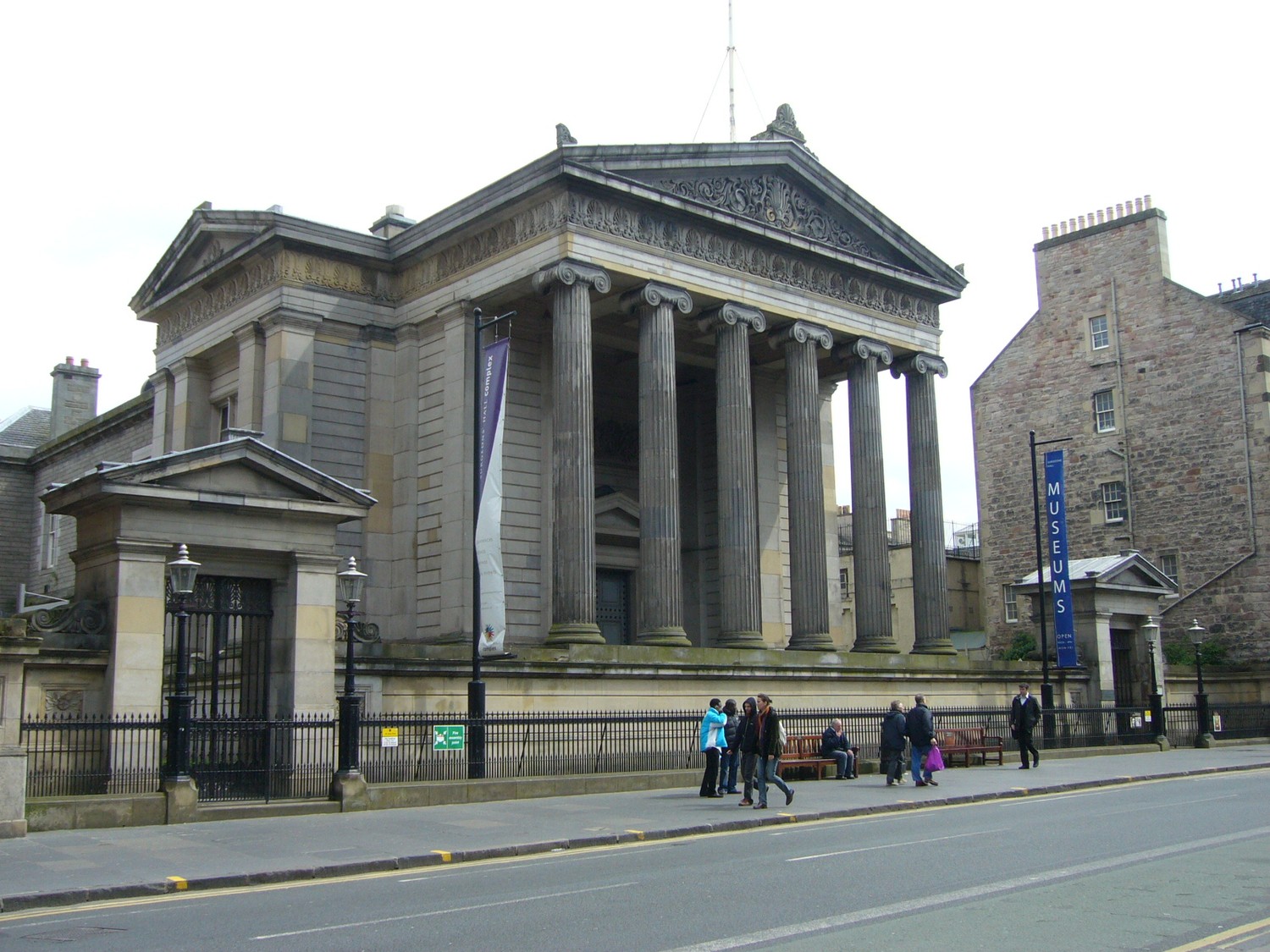
The air within Surgeons’ Hall Museums in Edinburgh hums with centuries of medical endeavor, a palpable sense of discovery and dedication woven into the very fabric of its historic walls. More than just a museum, it's a profound journey through the evolving understanding of the human body, the relentless pursuit of healing, and the often-challenging realities faced by those who dared to push the boundaries of medical knowledge. Founded in 1505 as the Incorporation of Barber Surgeons, this institution has blossomed from a modest guild regulating local practitioners into a globally respected center for surgical excellence – a repository not just of artifacts, but of stories, innovation, and an enduring commitment to human well-being. The building itself, designed by William Henry Playfair and completed in 1832, stands as a monumental testament to Edinburgh’s neoclassical grandeur; a Category A listed structure radiating an aura of dignified scholarship and quiet power.
The imposing façade, with its grand columns and intricate detailing, hints at the treasures held within – a treasure trove encompassing one of the UK's most comprehensive pathology collections. This isn’t merely a display of specimens; it’s a poignant exploration of human fragility, offering intimate glimpses into disease processes and the individual struggles against illness that have shaped medical history. Alongside these profoundly moving displays lies an astonishing array of historic surgical instruments – from elegantly crafted trepans used in ancient procedures to the more brutal tools of past eras. Each instrument whispers tales of ingenuity, desperation, and the constant evolution of surgical techniques; a tangible link to those who navigated the perilous path of early medicine. The museum’s commitment extends beyond these core collections, with fascinating exhibits detailing the history of dentistry, showcasing the remarkable progression of oral healthcare practices and instruments, and inviting visitors to immerse themselves in the Body Voyager exhibit – an interactive exploration of human anatomy and physiology that demystifies the intricacies of the human form.
Whispers from the Past: Unveiling the Collection
The Surgeons’ Hall Museums boast a collection of national significance, meticulously curated over centuries. The Pathology Collection, in particular, is a cornerstone of the institution, housing an unparalleled array of preserved specimens that offer hauntingly intimate portraits of human suffering and resilience. These are not simply clinical samples; they represent individual lives, marked by battles against disease, and embody the tireless efforts to understand and combat affliction. The collection’s breadth extends far beyond pathology, encompassing a remarkable assemblage of surgical instruments – a veritable timeline of medical innovation. One can trace the evolution from rudimentary tools fashioned with limited resources to the sophisticated devices employed in modern surgery, each reflecting advancements driven by necessity and ingenuity. The museum also houses a significant collection of anatomical models, early medical texts, and correspondence, providing invaluable insights into the intellectual climate that shaped surgical practice.
A Crucible of Learning: From Barber Surgeons to Modern Medicine
The story of The Royal College of Surgeons of Edinburgh is inextricably linked to the development of medical education in Scotland. Initially, the Barber Surgeons were responsible for both surgical procedures *and* maintaining personal grooming – a testament to the multifaceted skills required of early practitioners. As medicine advanced, the need for specialized training became apparent, leading to the formal separation of barbers and surgeons in 1722. This pivotal moment marked the beginning of the College’s ascent as a leading institution dedicated solely to surgical excellence. Throughout the centuries, RCSEd has consistently adapted to meet the evolving needs of the medical profession, establishing rigorous standards for training and examinations that continue to this day. The completion of Surgeons’ Hall in 1832 provided a physical embodiment of this commitment – a purpose-built space designed to foster learning, collaboration, and innovation.
More Than Just Artifacts: A Unique Blend of History and Engagement
What truly sets The Royal College of Surgeons of Edinburgh apart is its ability to seamlessly blend historical artifacts with interactive exhibits and educational resources. It’s a place where you can stand before centuries-old surgical tools, then step into the Body Voyager exhibit for an immersive exploration of human anatomy. This dynamic approach makes medical history accessible and engaging for visitors of all backgrounds – from seasoned professionals seeking continuing education to curious members of the public eager to learn more about the fascinating world of medicine. The museum isn’t simply *about* the past; it's a living testament to the ongoing pursuit of knowledge, innovation, and compassionate care. It is a place that inspires reflection on our own mortality, celebrates human resilience, and underscores the vital importance of medical progress.
Notable Figures & Connections
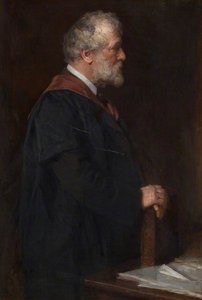
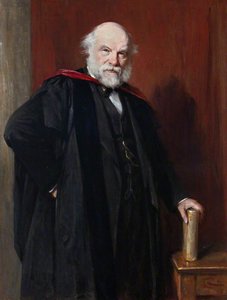
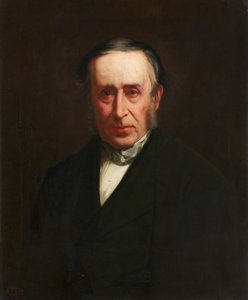
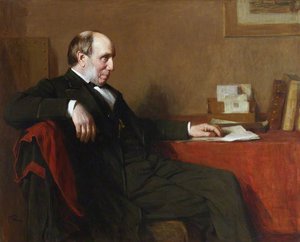
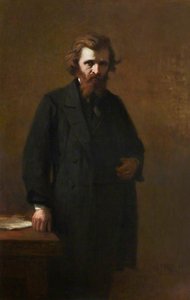
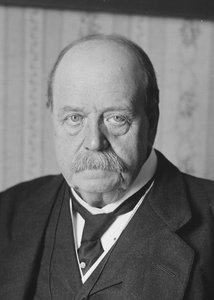
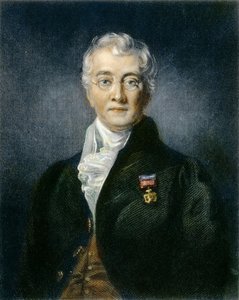
The museum’s narrative extends beyond its physical collections, enriched by the lives of those who shaped its history. Sir Henry Duncan Littlejohn (1826–1914), President of the Royal College of Surgeons, Edinburgh, played a pivotal role in establishing the institution's global reach and commitment to surgical standards. The College Meeting of 1889, depicted in Peter Alexander Hay’s artwork, offers a glimpse into the intellectual discourse that characterized this era. Furthermore, works by artists like Charles R. Dowell (known for serene landscapes & portraits) and Jacques-Laurent Agasse (renowned for his detailed animal and landscape paintings) reflect the artistic sensibilities of Edinburgh society during the period. The influence of figures such as James Barry – a pioneering Irish surgeon and artist who lived as a man to practice medicine – is also subtly interwoven into the museum’s story, highlighting the intersection of art and science within the medical profession.