
The Royal Seat of San Lorenzo de El Escorial
Discover the Royal Seat of San Lorenzo de El Escorial, a UNESCO World Heritage Site in Spain. Explore its Renaissance architecture, historic art including El Greco, and the impressive monastery, palace, and library near Madrid.
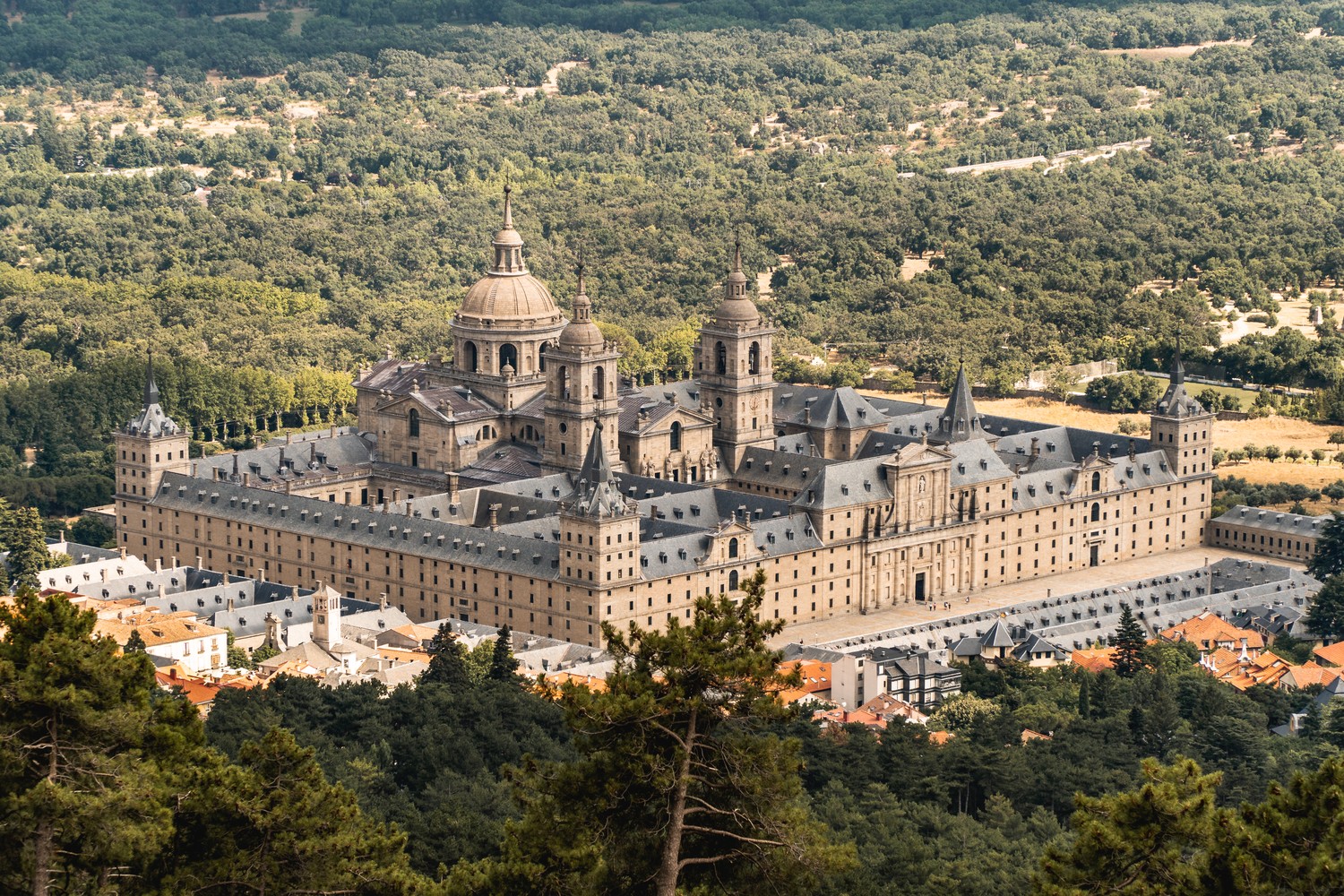
Located near Madrid, this monumental complex embodies the spirit of Spain’s Golden Age and stands as a testament to King Philip II's ambition and devotion. Built between 1563 and 1584 by Juan Bautista de Toledo, it represents an unparalleled achievement in Herrerian architecture—characterized by its austere grandeur and masterful use of stone—and houses a remarkable collection of artworks that illuminate the artistic sensibilities of the period.
- Historical Significance: The Royal Seat served as Philip II’s royal palace, monastery, and mausoleum, reflecting his desire to consolidate power and honor God. Its multifaceted purpose underscores the profound influence of religious ideology on Renaissance art and architecture.
- Architectural Masterpiece: The complex's design—a harmonious blend of Renaissance and Herrerian styles—employs monumental proportions and geometric precision to convey a sense of order and majesty. The basilica’s soaring interior, adorned with intricate frescoes and sculptures, exemplifies the artistic ideals of its time.
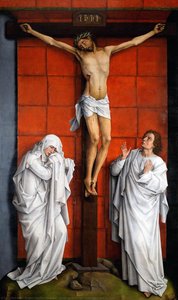
- Art Collection: Among its treasures are masterpieces by El Greco, including “Christ on the Cross with Mary and St. John,” which showcases early Netherlandish realism and emotional intensity—a poignant depiction of faith and suffering that captivated viewers centuries later. The Royal Mausoleum houses the tombs of Spanish monarchs and notable figures, offering a glimpse into royal lineage and commemorating Spain’s illustrious past.
- Educational Role: Beyond its artistic splendor, El Escorial functions as a center for religious study and contemplation, fostering intellectual discourse and spiritual reflection within its walls. Visitors can delve into the history of Spanish monarchy and explore the evolution of Renaissance art through guided tours and exhibitions.
El Escorial - A Synthesis of Styles
The architectural design reflects the humanist ideals of the Renaissance alongside the solemn grandeur of Herrerian style, resulting in a unique fusion that distinguishes El Escorial from other palaces of its era. The basilica’s cruciform plan—inspired by St. Peter's Basilica in Rome—is flanked by towering columns and adorned with elaborate frescoes depicting biblical scenes.
The courtyard, dominated by a monumental fountain and sculptures commemorating Philip II’s victories, serves as the focal point of the complex. Its symmetrical layout reinforces the concept of divine order and underscores the royal patronage that fueled its construction. The surrounding gardens—designed to evoke tranquility and contemplation—complement the architectural grandeur with lush greenery and meticulously sculpted hedges.
Notable Exhibitions & Ongoing Research
El Escorial has hosted numerous exhibitions showcasing Spanish art history, highlighting pivotal moments in European culture and fostering dialogue between scholars and enthusiasts alike. Recent research efforts have focused on analyzing pigments and techniques employed by El Greco and other Renaissance artists—providing invaluable insights into the artistic practices of the period.
- Ongoing excavations continue to uncover new discoveries about the site’s history, enriching our understanding of Philip II's reign and the cultural landscape of Spain during the Golden Age.
- Researchers are utilizing advanced imaging technologies to reconstruct architectural plans and analyze structural elements—revealing hidden details that illuminate the complexities of El Escorial’s construction process.
A Legacy Enduring Through Time
El Escorial stands as a symbol of Spain's enduring legacy—a testament to royal ambition, artistic innovation, and religious devotion. Its architectural grandeur continues to inspire awe and admiration, attracting visitors from around the globe who seek to immerse themselves in the history and beauty of this extraordinary monument.