
A Symphony of Support and Artistry
In the heart of London’s elegant Fitzroy Square, tucked away from the modern cacophony, lies a sanctuary where the echoes of the past still resonate with profound clarity. The Royal Society of Musicians of Great Britain is not merely a repository of painted faces; it is a living testament to the enduring bond between musical genius and human compassion. Founded in 1738 as the Fund for Decay'd Musicians, this venerable institution was born from a collective impulse by some of history’s most formidable musical minds—including the legendary George Frideric Handel—to ensure that those who dedicate their lives to the art of sound are never abandoned in their time of need. To walk through its doors is to step into a narrative that has unfolded over nearly three centuries, where the noble mission of charity intertwines seamlessly with the preservation of a magnificent artistic legacy.This institution holds a rare distinction as Britain’s oldest music charity, maintaining a continuous thread of heritage that connects the era of Baroque masters to the professional musicians of the present day. It is a place where the act of giving and the act of remembering are one and the same, making it a destination of deep emotional resonance for anyone moved by the plight and the triumphs of the artist.
The Painted Echoes of Musical Legends
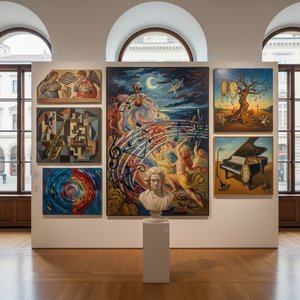
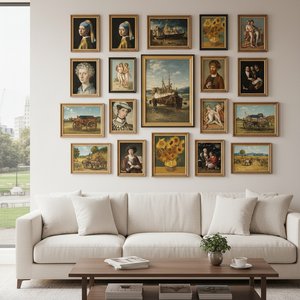
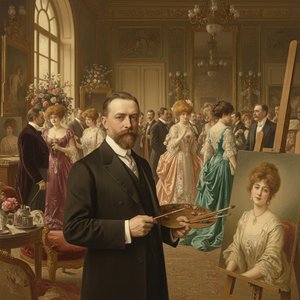
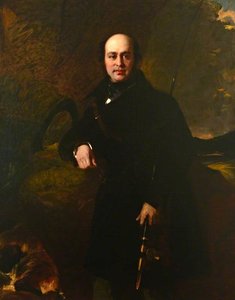
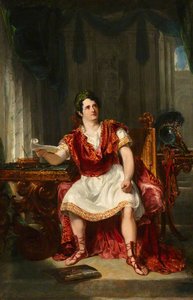
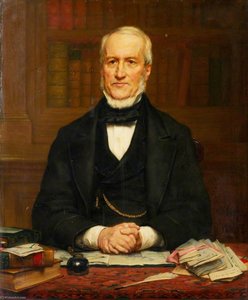
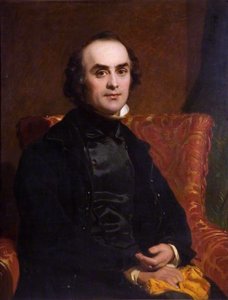
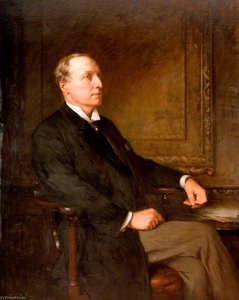
The collection itself serves as a breathtaking visual repertoire, offering much more than mere likenesses of the past. Here, the brushstrokes of notable artists capture the very essence of musicality, translating the ephemeral beauty of melody into the permanence of oil and canvas. Visitors are invited to gaze upon an exquisite array of portraits depicting the composers, performers, and patrons who shaped the landscape of European music from the 18th century onward. One might find themselves lost in the dignified gaze of a Handel portrait or captivated by the subtle nuances of a performer’s expression, each piece acting as a window into the social fabric of a bygone era.For the collector or the art enthusiast, these works represent a rare opportunity to witness the intersection of historical significance and technical mastery. The portraits do not merely document faces; they capture the spirit of an age, providing valuable insights into the social context of music-making throughout history. Each frame is a curated moment of prestige, where the light and shadow of the canvas reflect the brilliance of the musicians who once graced the stages of Europe.
An Intimate Georgian Retreat
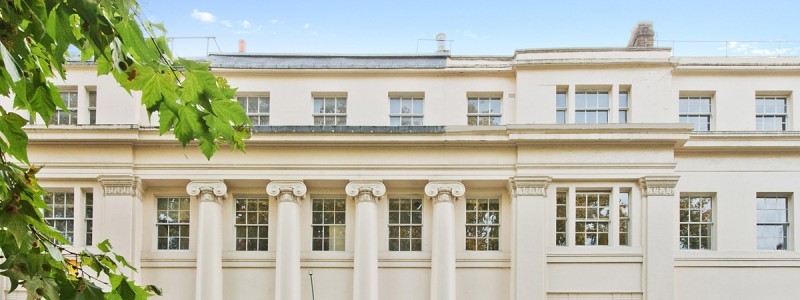
The setting of the Society is as much a part of the experience as the art it houses. Nestled within the refined Georgian architecture characteristic of Fitzroy Square, the museum offers an intimacy that grander, more sprawling galleries often lack. This sense of enclosure and elegance provides a contemplative atmosphere, perfect for those seeking a personal connection with history. For the interior designer or lover of classical aesthetics, the building itself serves as an inspiration, reflecting a period of architectural grace and understated luxury.What truly distinguishes the Royal Society of Musicians is its dual identity. It is simultaneously a working charity providing vital aid to musicians facing hardship due to illness or old age, and a custodian of a precious cultural treasure. This unique duality creates an atmosphere that is both purposeful and profound. It is a place where the architecture does not compete with the art but rather cradles it, creating a focused environment where one can truly hear the silent music within the portraits. For those seeking a hidden gem in London, the Society offers a soulful encounter with the very heart of musical heritage.