
A Tapestry Across Time: The Soul of the Smithsonian’s National Museum of Asian Art
Nestled on the historic grounds of Capitol Hill amidst the grandeur of Washington, D.C., The Smithsonian’s National Museum of Asian Art stands as a singular testament to artistic heritage—a deliberate counterpoint to the conventional museum experience. It is a place that prioritizes dialogue and context over mere display, inviting visitors into a profound conversation with the past. Established in 1923 through the generous bequest of Detroit industrialist Charles Lang Freer, the institution houses two distinct yet spiritually united galleries: The Freer Gallery of Art and The Arthur M. Sackler Gallery. Together, they illuminate the breathtaking breadth and depth of Asian artistic traditions, offering a sanctuary where history breathes through every brushstroke and sculpted form. Because admission remains free, the museum democratizes access to treasures that might otherwise reside behind gilded gates, fostering a global appreciation for cultures that span continents and millennia.
The physical journey through the museum is an architectural marvel in itself, embodying a harmonious blend of classical elegance and modern innovation. The Freer Gallery, envisioned by architect Cass Gilbert, evokes the stately atmosphere of an Italian Renaissance palazzo. Within these walls, visitors find themselves immersed in a space of European refinement, where sunlight streams through arched windows to illuminate frescoes depicting scenes from Greco-classical mythology. This sense of grandeur is seamlessly contrasted by I.M. Pei’s Sackler Gallery, a contemporary subterranean labyrinth designed to maximize natural light and foster deep contemplation. A hidden passageway connects these two disparate worlds, symbolizing the interconnectedness of Asian artistic traditions and inviting the observer on an ongoing journey of discovery where ancient echoes meet modern aesthetics.
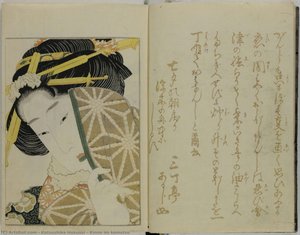
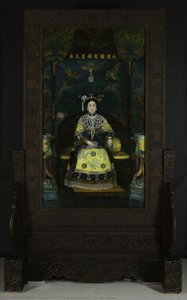
The collection serves as a bridge between cultures, reflecting the unique vision of its founder, Charles Lang Freer. He did not merely acquire objects; he sought to capture the shared humanity expressed through creation, championing Impressionist masters like Claude Monet and Edgar Degas alongside his profound fascination with Japanese prints and ceramics. While the Freer Gallery explores this intersection of American painting and Asian art, the Sackler Gallery offers a focused dedication to ancient Chinese artistry. Here, one can encounter monumental sculptures of Buddhist deities and elaborate ceremonial robes that reflect the opulent traditions of imperial China. This duality creates a rich landscape for collectors and interior designers alike, offering an inexhaustible source of inspiration ranging from the delicate textures of silk to the heavy, commanding presence of bronze.
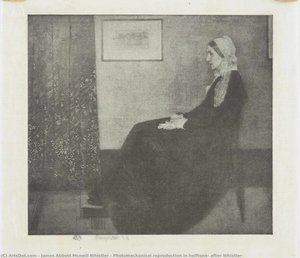
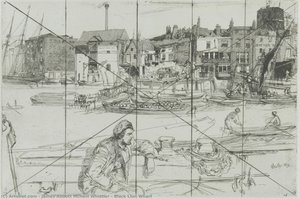
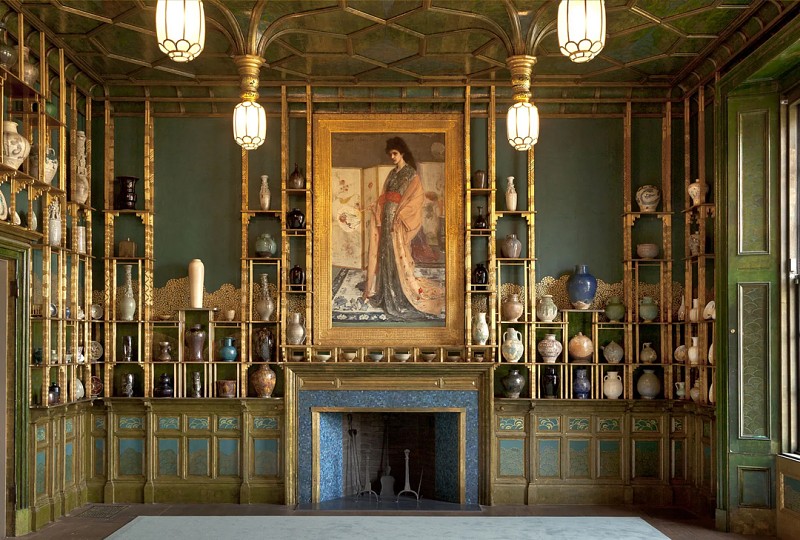
Beyond its permanent holdings, the museum remains a vibrant, evolving force through its dynamic programming and commitment to global citizenship. Recent exhibitions, such as “Striking Objects: Contemporary Japanese Metalwork,” showcase how modern artists utilize stainless steel and bronze to explore geometric forms and minimalist design, proving that tradition is never static. Perhaps most captivating is James McNeill Whistler’s Peacock Room—a Victorian-era masterpiece infused with Asian aesthetics that offers a glimpse into the cross-cultural influences of the late nineteenth century. This room, with its muted palette and subtle ornamentation, exemplifies the pursuit of “atmospheric harmony.” Even in times of global unrest, the museum stands as a beacon of preservation, recently exemplified by its commitment to safeguarding looted artworks from Yemen. It is this unwavering dedication to protecting cultural heritage that ensures the museum remains not just a repository of the past, but a living, breathing heart of global artistic excellence.