

A Legacy of Visionary Glass and Artistic Innovation
The Toledo Museum of Art stands as a luminous beacon in Ohio’s cultural landscape, born from the profound conviction of Edward Drummond Libbey—a visionary glassmaker who believed that art should transcend social barriers to enrich every life. Established in 1901, the museum has maintained a steadfast commitment to accessibility through its enduring policy of free general admission, ensuring that generations of seekers can encounter the transformative power of visual culture. This institution is far more than a mere repository for masterpieces; it is a vibrant, breathing community hub where the historical weight of the past meets the experimental energy of the present. From its origins as a Greek Revival monument to its modern, light-filled expansions, the museum’s story is one of continuous evolution, mirroring the rich and complex tapestry of the global art history it preserves.
The heart of the museum’s identity beats most vibrantly within its unparalleled holdings of glass art. This extraordinary narrative traces a path from the delicate whispers of ancient Mesopotamian artifacts to the bold, cutting-edge provocations of contemporary glasswork. This fascination was deeply personal for Libbey, whose passion for Venetian glassware laid the foundation for what would become one of the world's most significant glass collections. Visitors can witness the alchemy of light and form within the breathtaking Glass Pavilion, a structure designed by SANAA that seems to float effortlessly above the landscape. Here, the museum’s commitment to living craft is realized through hundreds of annual public glassblowing demonstrations, allowing art lovers to watch the raw, molten medium transform into delicate sculpture before their very eyes.
A Dialogue Between Classical Grandeur and Modern Light
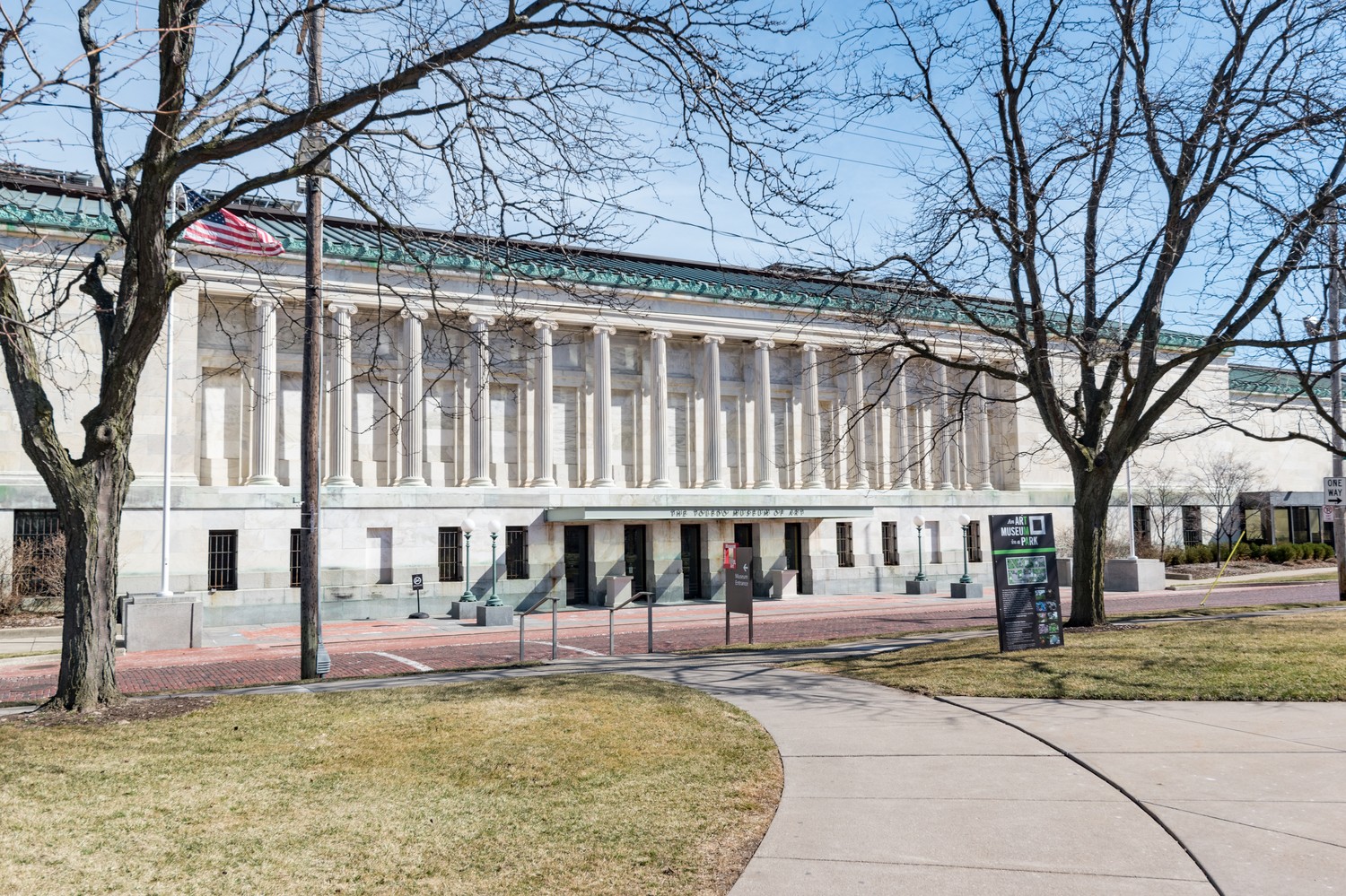
To walk through the Toledo Museum of Art is to experience a profound architectural dialogue between tradition and innovation. The original structure, designed by Edward B. Green and Harry W. Wachter, serves as a stately homage to classical ideals, featuring an imposing facade and majestic Ionic columns that evoke the timelessness of antiquity. This sense of permanence provides a grounding force for the museum's more radical architectural achievements. In striking contrast, Frank Gehry’s Center for the Visual Arts introduces a dynamic, sculptural counterpoint, offering modern studio spaces and libraries that challenge the viewer's perception of form. The Glass Pavilion, with its curved, transparent walls, acts as the ultimate synthesis of these styles, creating an ethereal atmosphere where the boundaries between the interior gallery and the surrounding natural world dissolve into a singular, immersive experience.
Beyond the brilliance of glass, the museum’s European paintings form a cornerstone of Western artistic heritage. The halls are graced by the dramatic religious fervor of Peter Paul Rubens’ The Crowning of Saint Catherine and the playful, Rococo elegance found in Fragonard’s Blind Man’s Bluff . Collectors and enthusiasts will find themselves captivated by the spiritual depth of El Greco and the technical mastery of Rembrandt, works that offer windows into the profound psychological landscapes of previous centuries. This journey through time is further enriched by a significant American collection, showcasing the evolving narrative of a nation through the eyes of luminaries such as Monet, Degas, Cézanne, and Matisse, alongside modern masters like Picasso, Calder, and Bearden.
For the interior designer or the dedicated art lover, the Toledo Museum of Art offers an endless source of inspiration, blending the monumental with the intimate. Whether one is contemplating the serene Impressionist landscapes of Renoir or exploring the complex, indigenous-inspired themes in the works of Francisco Toledo, the museum provides a sanctuary for aesthetic contemplation. It remains a living cultural center where the Peristyle concert hall echoes with the melodies of the Toledo Symphony Orchestra, ensuring that the museum’s mission—to foster a deep, multi-sensory appreciation for beauty—continues to resonate far beyond its magnificent walls.