

A Tapestry of Time: The Soul of Rochdale
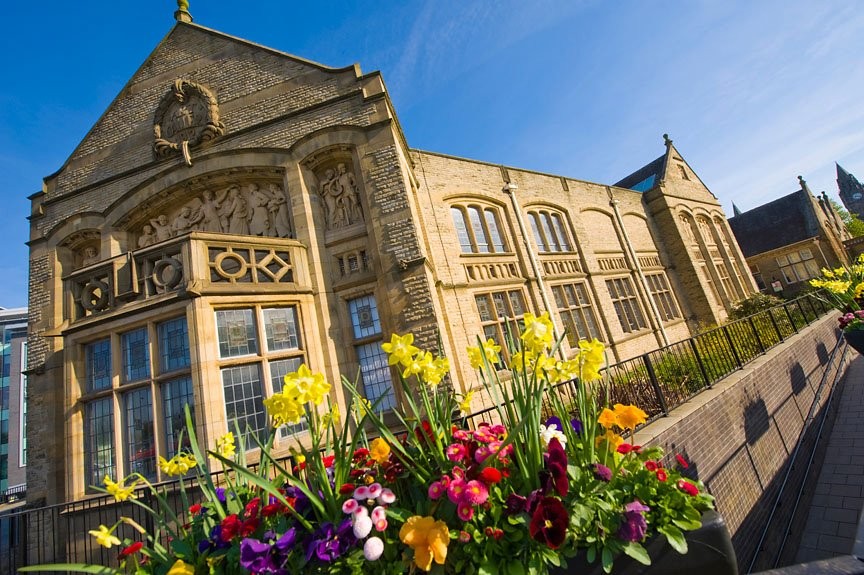
In the heart of Lancashire, where the industrial echoes of the past meet the vibrant pulse of contemporary creativity, stands Touchstones Rochdale . More than a mere repository for artifacts, this cultural sanctuary serves as a living bridge between eras, weaving together the threads of local heritage and global artistry. The building itself, a magnificent Grade II listed structure, whispers stories of its Victorian origins. Conceived in 1884 as a beacon of learning through its original library, the space has undergone a profound metamorphosis. Over the decades, it blossomed into a museum and art gallery, eventually evolving into the dynamic arts and heritage centre we encounter today. To walk through its doors is to step into a spatial narrative where architectural grandeur meets modern functionality, inviting visitors to lose themselves in a curated journey of discovery.
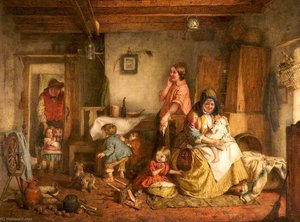
The collections held within these walls are as diverse as the people of Rochdale themselves, offering a profound window into both the ancient and the intimate. One cannot help but be captivated by the Egyptology collection , an evocative assemblage that transports the observer back millennia. Here, the heavy silence of history is broken by the visual splendor of intricately carved statues depicting phoretas and gods, alongside delicate papyrus scrolls that carry the rhythmic dance of hieroglyphic inscriptions. These are not merely relics; they are powerful, humanizing narratives that illuminate the sophisticated artistry of a bygone civilization. In stark, poignant contrast, the museum honors its local roots through exhibits dedicated to the Lancashire Cotton Famine . Through a moving curation of photographs and personal testimonies, the collection captures the visceral resilience of a community enduring industrial hardship, ensuring that the spirit of Rochdale’s determination remains eternally present.
For the discerning eye of the art lover and the interior designer alike, Touchstones offers a masterclass in the dialogue between tradition and innovation. The gallery spaces serve as a prestigious platform for contemporary talent, where the local landscape is reimagined through masterful brushstrokes. The works of Colin Black , particularly his evocative depictions of Lancaster Sands, command attention with their vibrant color palettes and ability to capture the ephemeral beauty of the coastline. This commitment to fostering artistic dialogue is further realized through recurring exhibitions that juxtapose historical artifacts with modern responses, creating a tension that is both intellectually stimulating and aesthetically profound. The museum’s ongoing redevelopment promises an even more immersive future, with plans for state-of-the-art performance venues and creative studios designed to nurture the next generation of visionaries.
What truly distinguishes Touchstones Rochdale is its role as a catalyst for community connection and intellectual curiosity. It is a place where the monumental meets the personal, and where the architectural legacy of 1884 provides a dignified stage for the social changes of the twenty-first century. Whether one is drawn by the allure of ancient mysteries, the gravity of industrial history, or the fresh energy of contemporary painting, the museum offers an unparalleled experience of cultural immersion. It remains a cornerstone of the borough—a symbol of pride that continues to evolve, ensuring that the heritage of the past and the inspirations of the future are forever entwined in a single, breathtaking tapestry.