


A Victorian Echo: Discovering Salford Museum & Art Gallery
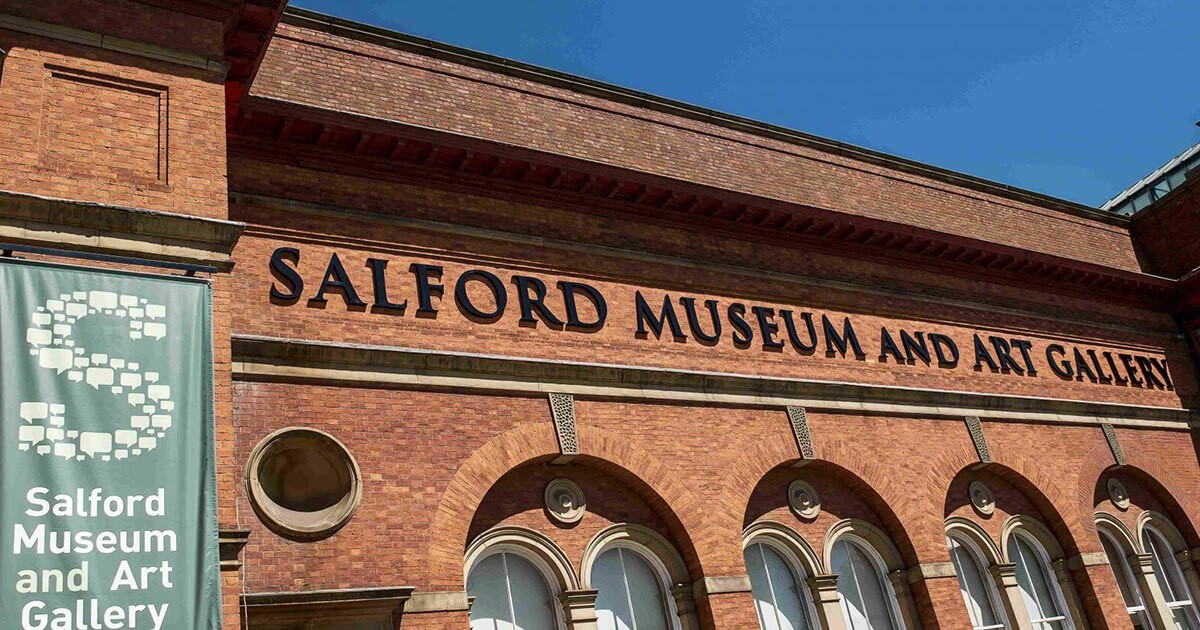
Nestled within the verdant embrace of Peel Park in Greater Manchester, the Salford Museum & Art Gallery stands as a remarkably layered testament to British history and artistic evolution. Established in 1850, it’s far more than a simple repository of artifacts; it's a carefully constructed narrative woven through paintings, sculptures, historical relics, and architectural grandeur – a tangible chronicle spanning centuries and continents. Stepping inside is akin to embarking on a journey that bridges the local heritage of Salford with the broader sweep of human creativity, inviting contemplation on our shared past and illuminating the diverse threads that connect us all. The museum’s very foundations speak volumes, beginning with its stunning Renaissance-style architecture, initially conceived by Travis & Mangnall, which has gracefully adapted over two centuries, retaining a timeless aesthetic while embracing expansions like the Langworthy Wing (1874) and enhancements from the 1930s – each addition subtly enriching the building’s layered character.
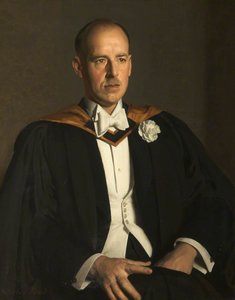
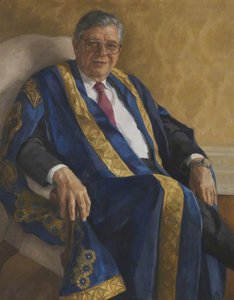
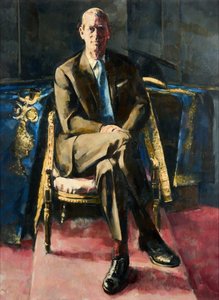
The museum's heart beats with a distinctly Victorian rhythm. Its extensive collection of paintings and sculptures from this era offers a captivating window into an age defined by industrial revolution, social change, and burgeoning empire. Here, one encounters works that reflect both the romantic idealism and the stark realism characteristic of the period – portraits capturing the grandeur of the aristocracy alongside poignant depictions of working-class life. Notable amongst these are pieces reflecting the Salford landscape itself, often rendered with a keen eye for detail and a subtle understanding of light and shadow. Beyond its Victorian core, however, the museum’s scope extends far beyond, housing intriguing collections of Egyptian and Oriental antiques that transport visitors to ancient worlds, sparking curiosity about civilizations long past. These artifacts aren't presented as isolated curiosities; they are thoughtfully contextualized, inviting contemplation on the shared human experiences – the aspirations, beliefs, and artistic expressions – that transcend geographical boundaries and temporal divides. Furthermore, a fascinating array of historical artifacts illuminates the rich tapestry of Salford’s own story – from its origins as a small settlement along the River Irwell to its transformation into a thriving industrial hub and, ultimately, the modern city it is today.
Architectural Grandeur & Historical Context
The building itself is an integral part of the museum's appeal. Originally designed with top-lit galleries – a remarkably innovative feature for its time – these spaces bathe the artworks within in a soft, natural glow, enhancing their colors and textures. The meticulous preservation of the original design elements, including the Grade II listed masonry pillars and detailed stonework, is paramount. These aren’t merely decorative; they are integral to the museum's character, reflecting nearly two centuries of architectural evolution and embodying a commitment to preserving Salford’s heritage. The building’s layout deliberately encourages a contemplative experience, guiding visitors through a carefully curated sequence of historical periods and artistic styles. The Langworthy Wing, added in 1874, provides a striking contrast with its more modern design while seamlessly integrating with the original structure, demonstrating a thoughtful approach to expansion that respects the museum's historic integrity.
A Legacy of Accessibility & Community Engagement
What truly sets Salford Museum & Art Gallery apart is its enduring commitment to public access and community engagement. It holds the distinction of being one of the first institutions in England to offer an unconditionally free public library – a bold statement in an era when knowledge was often restricted to privileged circles. This spirit of inclusivity continues today through a vibrant program of exhibitions, educational initiatives, and events designed to appeal to visitors of all ages and backgrounds. The museum isn’t simply a place to *view* art; it's a space for dialogue, learning, and creative exploration. It actively fosters a sense of belonging, welcoming individuals and groups to connect with the past, engage with contemporary issues, and celebrate the cultural diversity that defines Salford. Recent initiatives have focused on interactive displays and community workshops, further solidifying its role as a vital hub for local residents.
Unique Treasures & Notable Exhibitions
Beyond its broad collections, the museum houses several unique treasures that warrant special attention. The cast collections of antique statues and architectural fragments offer a fascinating glimpse into classical artistry and design, providing tangible connections to the artistic traditions of ancient Greece and Rome. The museum regularly hosts temporary exhibitions exploring diverse themes – from Victorian social history to contemporary art installations. A particularly noteworthy exhibition in recent years focused on the industrial heritage of Salford, showcasing photographs, artifacts, and oral histories that vividly depicted the lives of those who worked in the city’s factories and mills. The museum also maintains a dedicated collection of works by local artists, celebrating Salford's thriving creative community.
Connections Beyond the Walls
The University of Salford has been a key partner in preserving and promoting this cultural landmark, ensuring its continued relevance for generations to come. Further enriching the visitor experience are connections to other institutions like the Working Class Movement Library, offering insights into Salford’s social history and labor movements. The museum's website provides detailed information about current exhibitions, events, and collections, while its location within Peel Park offers a tranquil setting for reflection and appreciation of art and heritage. For those interested in exploring related artistic endeavors, consider visiting Ian Henderson’s “The Quarry,” a powerful exploration of industrial landscapes and the human condition (link provided above).