


A Palace of Human Ingenuity: The Soul of the Victoria and Albert Museum
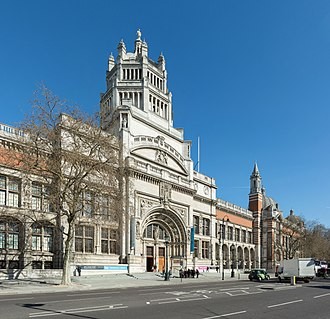
Stepping through the grand doors of the Victoria and Albert Museum in Kensington is akin to entering a meticulously curated world—a testament to our enduring impulse to create, adorn, and imbue meaning into our surroundings. More than just a repository for beautiful objects, the V&A stands as a breathtaking chronicle of human creativity spanning millennia and continents. Founded in 1852 by Prince Albert, its origins are deeply intertwined with the Victorian era’s spirit of innovation, a period captivated by progress, design, and craftsmanship. The museum's very architecture reflects this ethos; a layered narrative beginning with imposing Victorian grandeur, seamlessly blending historical preservation with contemporary spaces, constantly reminding us of the evolution of artistic expression. It is a building that breathes history, yet remains vibrantly alive, welcoming millions each year to explore its treasures.
The seeds of this remarkable institution were sown at the groundbreaking Great Exhibition of 1851, a pivotal moment in British history celebrating industrial innovation and international trade. From this spectacular showcase emerged a vision: not just to display artistry, but to foster a school for industry, where practical skills and aesthetic appreciation could converge—a concept championed by Prince Albert himself. The museum’s core philosophy has remained remarkably consistent throughout its history: a celebration of the interconnectedness of styles and influences that have shaped our visual culture. Imagine wandering through galleries where the geometric precision of Islamic tilework captivates one moment, only to be followed by an immersion in the romantic fluidity of Art Nouveau furniture the next—a deliberate strategy designed to spark unexpected connections and serendipitous discoveries.
Architectural Grandeur and Global Treasures
The building itself is more than just a container for art; it is a carefully orchestrated experience. Constructed in stages between 1854 and 1909, the V&A’s structure embodies Victorian grandeur alongside innovative Beaux Arts principles. The initial design by Aston Webb was a bold statement of civic pride, incorporating elements of classical symmetry and opulent ornamentation—a deliberate echo of the era’s fascination with Roman ideals and imperial power. Notice the soaring ceilings in the Great Hall, reminiscent of a cathedral, designed to impress and inspire. The meticulous detailing—the sculpted figures adorimg the exterior and the elaborate plasterwork within—speaks volumes about Victorian craftsmanship and ambition. It is a fascinating dialogue between past and present, a testament to how architecture can both reflect and shape cultural values.
Within these walls reside masterpieces that transcend time and culture. The museum's dedication to showcasing diverse cultures is particularly evident in its extensive Asian collections, housing an unparalleled array of ceramics, metalwork, textiles, and decorative arts from China, Japan, Korea, and the Islamic world; each piece whispering stories of distant lands and ancient traditions. For those captivated by the evolution of fashion, the Textile Galleries offer a dazzling panorama of style, tracing the development of dressmaking from opulent Victorian gowns to groundbreaking avant-garde creations—a visual record of societal shifts and aspirations throughout history. The department’s collection of William Morris textiles is particularly celebrated, showcasing his intricate designs and commitment to craftsmanship, reflecting the Arts and Crafts movement's emphasis on hand-made artistry.
A Living Legacy for the Modern Collector
Beyond its permanent holdings, the V&A remains a vital force in shaping the contemporary cultural landscape. The museum actively fosters modern design trends through extensive educational programs, workshops, and research facilities, shaping innovation across various industries. Notable exhibitions, such as the recent celebration of Schiaparelli’s influence on fashion, demonstrate the museum's ability to bridge the gap between historical legacy and modern avant-garde movements. Whether it is the exquisite detail of Donatello's Chellini Madonna or the stunning display of medieval weaponry and arms, the museum offers an unparalleled journey through the human imagination.
For art lovers, collectors, and interior designers alike, a visit to the V&A is not merely an observation of history; it is an immersion into the boundless potential of creativity. It is a place where one can find inspiration in the geometric precision of ancient artifacts or the romantic curves of modern furniture, making it an essential pilgrimage for anyone dedicated to the pursuit of beauty and the study of design. The museum continues to evolve, recently evidenced by the shortlist of the V&A East Storehouse for the Art Fund Museum of the Year 2026, ensuring that its mission to inspire makers, creators, and innovators remains as potent today as it was in the nineteenth century.