



Introduction: Defining Decorative Art – Beyond Functionality
The decorative arts are arts or crafts whose aim is the design and manufacture of objects that are both beautiful and functional. This includes most of the objects for the interiors of buildings, as well as interior design, but typically excludes arc...
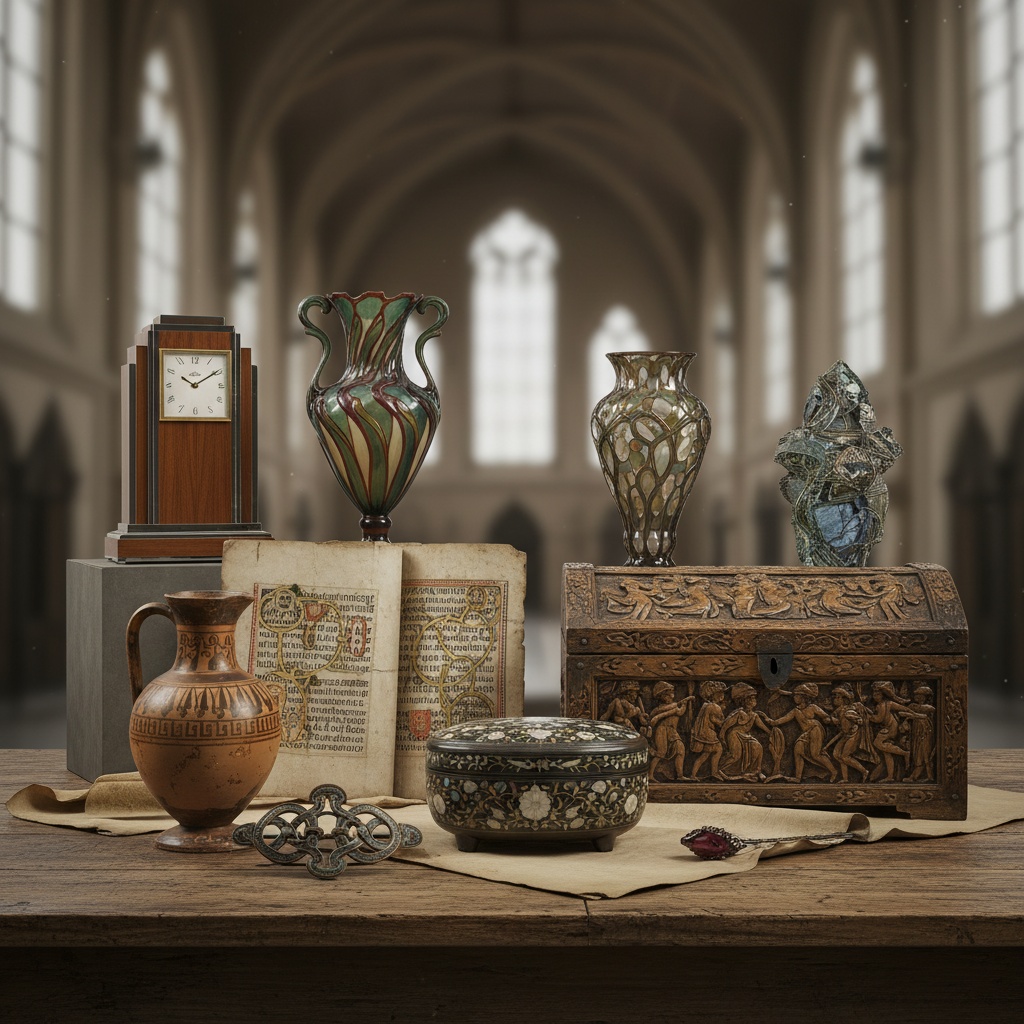
The realm of decorative art often finds itself subtly positioned alongside, yet distinct from, the celebrated world of fine art. While painting and sculpture traditionally command attention for their intellectual and emotional depth, decorative arts—encompassing furniture, ceramics, textiles, jewelry, glasswork, and more—offer a unique lens through which to understand human creativity and cultural values. To define it simply as ‘art made for use’ feels profoundly inadequate; these objects are not merely functional but embody aesthetic aspirations, social status, religious beliefs, and the very spirit of their time. They speak volumes about the lives lived around them, the rituals performed with them, and the stories they silently preserve. The distinction, historically, arose from a post-Renaissance Western bias prioritizing imaginative expression over skilled craftsmanship, yet many cultures seamlessly blend utility and artistry, rendering such categorization artificial.
From Antiquity to the Renaissance: Ornamentation as Status & Spiritual Expression
The impulse to adorn—to elevate the mundane through skillful embellishment—is deeply rooted in human history. From the intricate geometric patterns adorning ancient Egyptian pottery to the opulent mosaics of Roman villas, ornamentation served not only aesthetic purposes but also powerfully communicated status and religious conviction. Consider the lavish goldwork of Mycenaean funerary masks, signaling power and wealth even in death. The Byzantine era witnessed a flourishing of decorative arts, particularly in illuminated manuscripts and metalwork, where shimmering gold leaf and vibrant gemstones were employed to glorify divine figures and reinforce spiritual authority. The medieval period continued this tradition, with tapestries depicting biblical scenes and exquisitely crafted reliquaries housing sacred relics. As we move into the Renaissance, while humanism shifted artistic focus towards realism and individual expression, decorative arts remained vital. The elaborate marquetry of Italian cabinets, for example, showcased both technical mastery and a burgeoning appreciation for classical motifs – a testament to the era’s intellectual revival.
The Rise of Rococo & Neoclassicism: Elegance, Symmetry, and the Pursuit of Beauty
The 18th century witnessed two dominant yet contrasting styles profoundly shaping decorative arts. The Rococo movement, born in France, embraced asymmetry, delicate curves, and playful ornamentation—a celebration of aristocratic leisure and refined taste. Interiors became theatrical spaces adorned with gilded furniture, porcelain figurines, and pastel hues. This was an art of intimacy and sensuality, reflecting the opulence of the French court. However, a reaction against Rococo’s perceived frivolity soon emerged in the form of Neoclassicism. Inspired by the rediscovery of Pompeii and Herculaneum, Neoclassicism championed symmetry, order, and classical forms—a return to the perceived purity and rationality of ancient Greece and Rome. Furniture designs became more restrained, incorporating motifs from Greek mythology and architectural elements. Porcelain production flourished under both styles, with manufacturers like Sèvres and Meissen achieving unparalleled levels of technical skill and artistic innovation.
Art Nouveau & Art Deco: Innovation, Modernism, and a Rejection of Tradition
Art Nouveau ( AR(T) noo-VOH; French: [aʁ nuvo] ; lit. 'New Art'), Jugendstil in German, is an international style of art, architecture, and applied art, especially the decorative arts. It was often inspired by natural forms such as the sinuous curves...
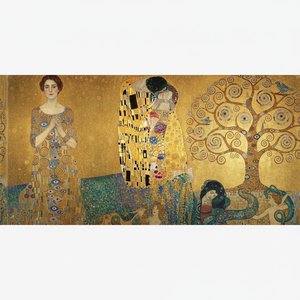
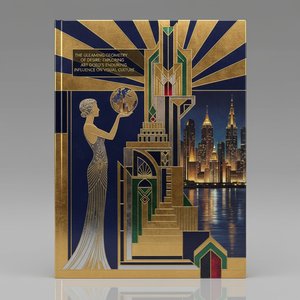
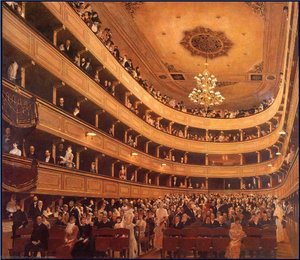
The late 19th and early 20th centuries ushered in an era of radical change, profoundly impacting decorative arts. Art Nouveau (roughly 1890-1910), as exemplified by artists like Gustav Klimt, rejected the historical revivalism of previous styles, embracing organic forms inspired by nature—sinuous curves, flowing lines, and botanical motifs. This movement sought to create a *Gesamtkunstwerk* – a ‘total work of art’ where architecture, furniture, and decorative elements harmonized seamlessly. The Hôtel Tassel in Brussels, designed by Victor Horta, stands as an iconic example. Following World War I, Art Deco (1920s-1930s) emerged, characterized by geometric patterns, bold colors, and luxurious materials—a celebration of modernity, technology, and the Jazz Age. The streamlined designs of furniture, glassware, and jewelry reflected a new optimism and fascination with industrial progress. Both movements challenged traditional notions of beauty and craftsmanship, paving the way for new artistic expressions.
Decorative Arts in the 20th & 21st Centuries: A Continued Evolution
The 20th century witnessed an unprecedented diversification of decorative arts styles. From the Bauhaus movement’s emphasis on functionalism and minimalist design to the vibrant colors and playful forms of Pop Art, artists continued to experiment with materials, techniques, and concepts. Mid-century modern furniture, characterized by clean lines and organic shapes, remains highly sought after today. Postmodernism further blurred boundaries, embracing eclecticism and challenging established norms. Contemporary decorative arts reflect a globalized world, incorporating diverse cultural influences and exploring themes of sustainability, identity, and social commentary. The use of new technologies—digital fabrication, 3D printing—continues to push the boundaries of what is possible.
Collecting Decorative Art: Considerations for Discerning Connoisseurs
 Bridging Art History & Modern Interiors: A Decorator's Guide to Reproductions
Elevate your interior design projects with expertly crafted art reproductions from . Discover quality oil paintings, prints & bespoke solutions for discerning decorators and collectors.
Building a collection of decorative art requires careful consideration and informed discernment. Provenance, or the history of ownership, is crucial in establishing authenticity and value. Researching the maker, period, and materials is essential. Understanding the stylistic characteristics of different movements—Art Nouveau’s flowing lines versus Art Deco’s geometric precision—will help you identify genuine pieces. Condition plays a significant role; while some wear and tear can add character, major damage can diminish value. Consider your personal aesthetic preferences, but also think about investment potential. Pieces by renowned artists or manufacturers often command higher prices. Finally, don’t hesitate to seek expert advice from art appraisers or dealers. ArtsDot.com offers a range of high-quality reproductions and custom artwork options, allowing you to explore different styles and periods without the constraints of budget or availability. Whether you are drawn to the elegance of Rococo porcelain or the innovative designs of Art Deco furniture, the world of decorative arts offers endless opportunities for discovery and appreciation.