

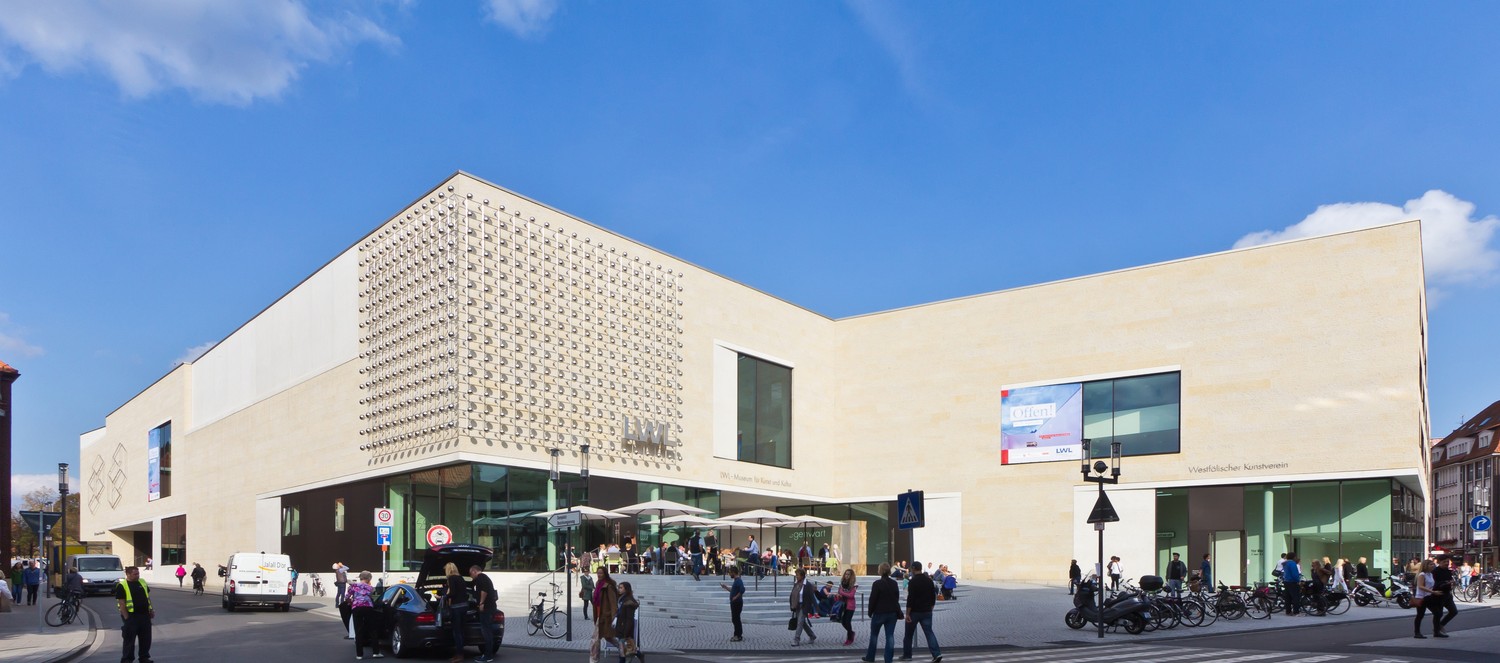
Quick Facts
- Movements:
- expressionist cityscape
- german expressionism
- Alternate names:
- Westfälisches Landesmuseum
- Westphalian State Museum
- Westfälisches Landesmuseum Münster
- LWL
- Art types: wallart
- Featured artists:
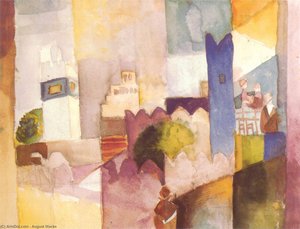
- August Macke
- Franz Marc
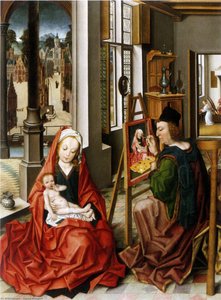
- Derick Baegert
- More…
- Mediums:
- acrylic
- acrylic on canvas
- oil on canvas
- Location: Munster, Germany
- Works on APS: 6
- Historical periods: 19th century
Art Quiz
There is only one correct answer for each question.
Question 1:
What is the Westfälisches Landesmuseum Münster primarily known for?
Question 2:
Which artistic movement showcased prominently within the museum's collection is characterized by vibrant colors and expressive forms?
Question 3:
Who are among the artists celebrated for their contributions to German Renaissance art housed in the museum?
Question 4:
The museum’s architectural design exemplifies what style?
Question 5:
What distinguishes the Westfälisches Landesmuseum Münster from other cultural institutions?
Exhibited Artists
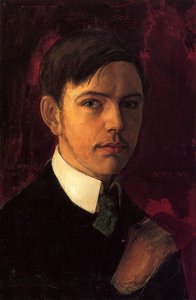
August Macke
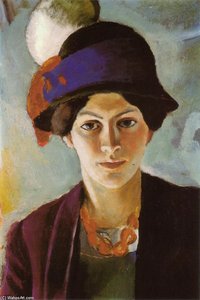
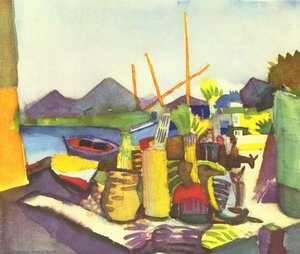
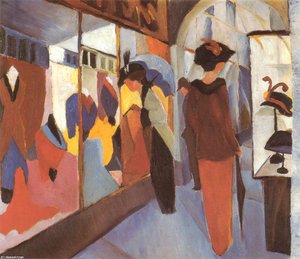
Explore the vibrant Expressionist paintings of August Macke (1887-1914). Influenced by Fauvism & Orphism, his works capture modern life with bold color and draftsmanship. A key figure in Der Blaue Reiter.

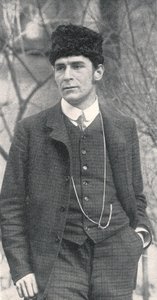
Franz Marc
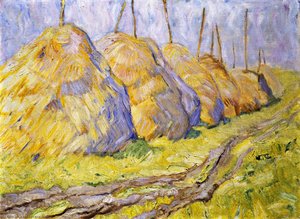
Discover Franz Marc (1880-1916), a German Expressionist pioneer & Der Blaue Reiter co-founder. Explore his iconic animal paintings, vibrant colors, and spiritual themes. Learn about his legacy!
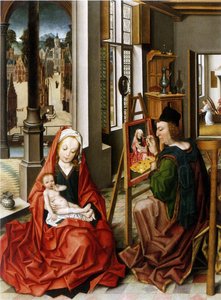
Derick Baegert
Discover Derick Baegert, a 15th-century German painter known for his intricate altar pieces & biblical scenes. Explore his works from Wessel to Dortmund – a master of late Gothic art.
Related Articles

Bronze Sculptures That Defined Art History | ArtsDot
Journey through art history with our Top 10 bronze sculptures! Explore masterpieces by Rodin, Michelangelo & more. Discover stories behind iconic statues and find museum-quality reproductions for your home decor at ArtsDot.com.

The Enduring Form: Exploring Themes & Techniques in Sculpture Across Historical Periods
Explore the rich history of sculpture from ancient masterpieces to contemporary innovations. Discover key techniques, influential artists & investment potential for discerning art collectors.

Bronze Age to Modern Masters: 10 Sculptures That Redefined Art | ArtsDot
Journey through art history with 10 legendary bronze sculptures – from Michelangelo's David to Rodin’s Thinker. Explore the stories, techniques & timeless beauty of these masterpieces. Find museum-quality reproductions & elevate your home decor on ArtsDot.com.
List of Artworks


Subscribe to Our Newsletter
Stay updated with the latest art news, exclusive offers, and decoration ideas.
Get 3 Free Art Suggestions
Tell us about your project and our art experts will provide you with 3 personalized art suggestions.
Not Sure Where to Start?
Let Us Curate 3 Options Just for You - Free!