

A Sanctuary of American Spirit
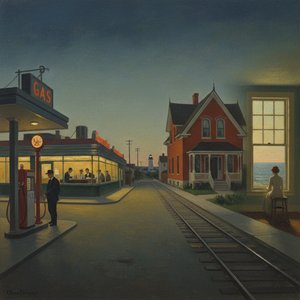
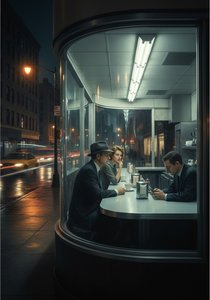
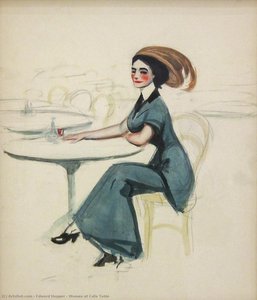
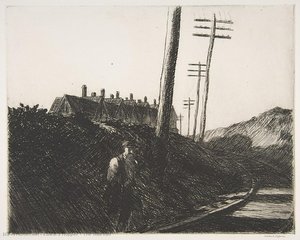
To step into the Whitney Museum of American Art is to enter a living chronicle of a nation’s soul. Located in the vibrant heart of Manhattan's Meatpacking District, the museum serves as much more than a mere repository for canvas and stone; it is a profound testament to the vision of Gertrude Vanderbilt Whitney, who believed that American creativity deserved a stage of its own, free from the heavy shadows cast by European traditions. Since its inception in 1930, the institution has acted as a vital pulse point for the American identity, capturing the grit of the Ashcan School, the haunting solitude of Edward Hopper’s urban landscapes, and the electric, boundary-pushing energy of contemporary movements. For the discerning collector or the lover of fine aesthetics, the Whitney offers an unparalleled journey through the evolution of a visual language that is uniquely, unapologetically American.
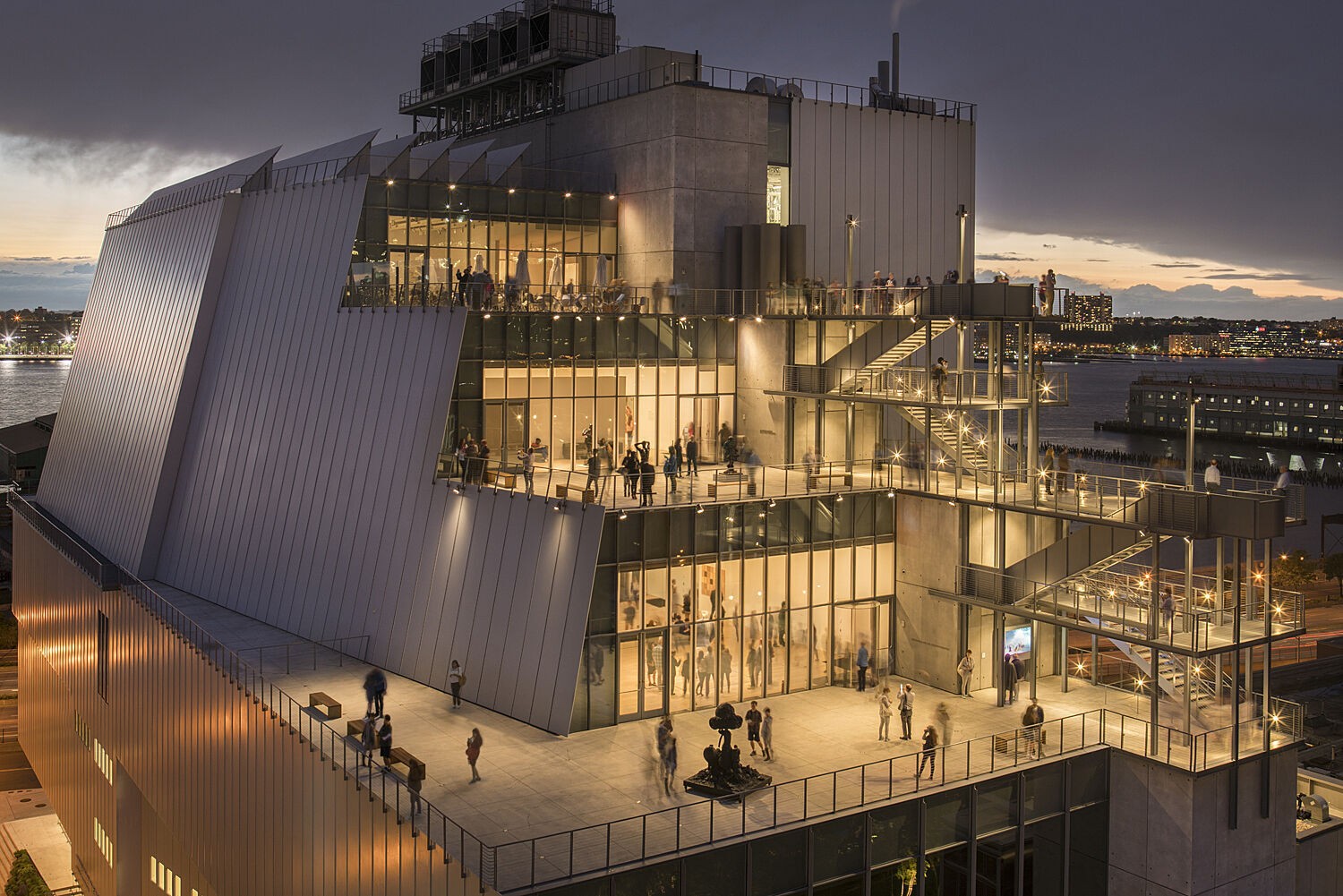
The museum's physical presence is as much a work of art as the masterpieces it houses. Moving from its historic Brutalist home on Madison Avenue to its current architectural marvel on Gansevoort Street, the Whitney now resides in a structure designed by the legendary Renzo Piano. This masterpiece of spatial fluidity is defined by its breathtaking integration of light and landscape. The building’s design prioritizes an effortless connection between the interior galleries and the bustling city outside, utilizing expansive terraces that offer sweeping views of the Hudson River. For interior designers and architects, the museum serves as a masterclass in how light can be harnessed to breathe life into texture and pigment; the galleries are bathed in a soft, diffused glow that allows the bold abstractions of Georgia O’Keeffe or the provocative Pop Art of Andy Warhol to resonate with their true, intended intensity.
What truly distinguishes the Whitney is its role as a cultural barometer, most notably through the prestigious Whitney Biennial. Since 1932, this recurring exhibition has functioned as a prophetic window into the future, showcasing emerging talents and sparking the intense debates that define the contemporary era. The collection itself—a staggering assembly of over 21,000 works—is not a static archive but a breathing organism. It moves seamlessly from the stark realism of the early 20th century to the complex, multi-media installations of today. This continuity of innovation makes the Whitney an essential destination for those seeking to understand the trajectory of modern thought. Whether wandering through the quiet contemplation of the permanent galleries or experiencing the high-octane energy of a new biennial, visitors find themselves part of an ongoing conversation about what it means to create and to exist in an ever-changing American landscape.