 Vista previa
 Compartir
 Compartir
 Ver detalles

 Descargar
 Ver similares
 Radiografía
 Presentación de diapositivas
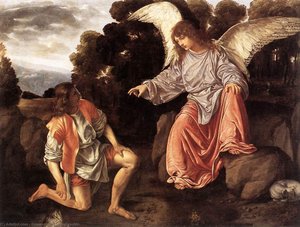
Tobias and the Angel


 Leer más
Reproducción al óleo hecha a mano
Óleo sobre lienzo pintado a mano en el tamaño y marco de su elección, realizado por encargo por nuestros artistas. ( Pedir impresión Comprar descarga)




P118B $10

P118H $10

P118W $10

P438Z $10

P508JH $12

P508YH $12

P805H $10

P805Z $10

P919BZ $10

P919G $10

P919XJ $10

P959ZH $10

P968JZ $12

W106C $8

W218G $10

W218JH $8

W218Y $10

W307PJ $10

W316G $10

W316PJ $8

W316Y $10

W398PJ $8

W4111J $10

W500HY $15

W500JH $15

W692G $12

W849H $8

W940BG $15

W953PJ $8




Elija entre nuestros tamaños predefinidos que respetan las proporciones originales de la obra.

Puede ingresar sus propias dimensiones para adaptarse a un marco o espacio específico. Si el tamaño seleccionado no coincide con las proporciones de la imagen original, recortaremos la obra o extenderemos la pintura con elementos adicionales pintados a mano. Se le enviará una maqueta digital para su aprobación antes de comenzar la producción.
Tenga en cuenta que la vista previa en pantalla no refleja el recorte o la extensión reales. Solo la maqueta mostrará con precisión la composición final.
Si bien existen tamaños personalizados, recomendamos seleccionar una dimensión de la lista predefinida para preservar las proporciones originales.
Tras realizar el pedido, el equipo de ArtsDot.com enviará un correo electrónico al cliente para solicitar instrucciones y proporcionarle una vista previa del boceto.
Envío a todo el mundo () en 3-4 semanas en lugar de las 5 semanas estándar. (22 agosto). Sin comprometer la calidad.

Envío exprés gratuito a todo el mundo

Lienzo de lino de alta calidad

Seguro de envío completo

Garantía de reembolso de aranceles aduaneros

Garantía de fidelidad cromática exacta

Política de devolución de 60 días (solo por defectos)

Garantía de devolución del 100% del dinero

Oferta por volumen
 La opción de vidrio solo está disponible en tamaños inferiores a 110 cm.

Tobias and the Angel
Técnica de reproducción
Tamaño de la reproducción
-


Precio total
$ 288
Descripción de la obra
A Glimpse into a Divine Encounter
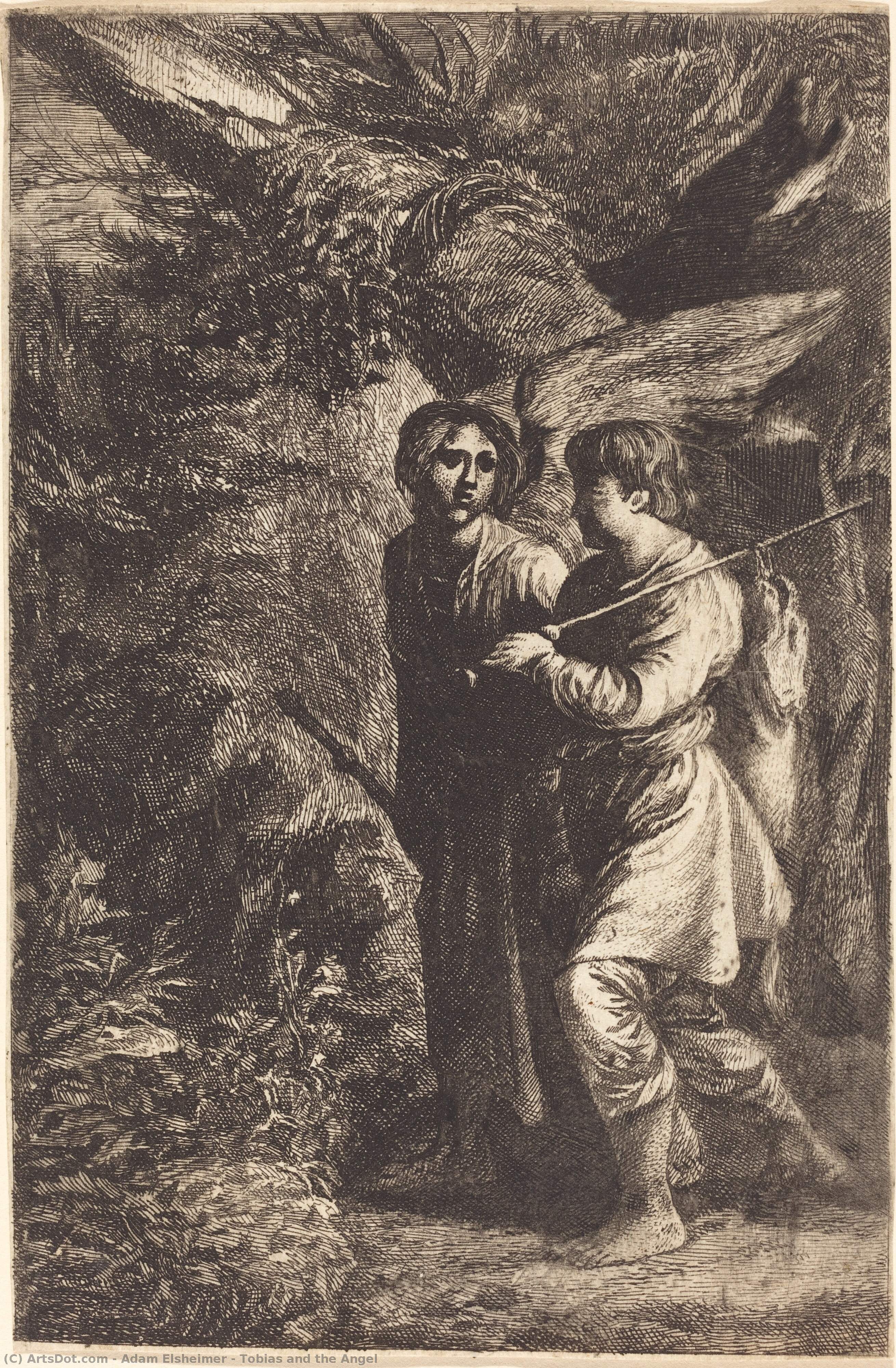
Adam Elsheimer’s “Tobias and the Angel” is not merely an engraving; it's a carefully constructed tableau of biblical narrative, imbued with the dramatic intensity characteristic of the Baroque era. Completed around 1602-1603, this small yet profoundly evocative work transports us to a shadowed woodland, where a young Tobias, seemingly lost and vulnerable, encounters the radiant Archangel Raphael. The scene unfolds with an almost palpable urgency – a sense that something momentous is about to occur, hinting at both divine intervention and potential consequence. Elsheimer’s genius lies not just in his technical skill but in his ability to distill complex theological themes into a powerfully intimate visual experience.
The composition itself is masterfully controlled. The deep, rich blacks of the forest floor and surrounding foliage immediately establish a mood of mystery and isolation. Raphael, depicted with an almost ethereal glow, dominates the upper portion of the image, his staff held aloft as if to guide Tobias towards salvation. Notice how Elsheimer utilizes cross-hatching – a technique perfected by the artist – to create incredible textural detail; you can practically feel the roughness of the bark beneath Tobias’s feet and the folds in Raphael's flowing robes. The lines aren’t simply outlines; they are imbued with light and shadow, contributing significantly to the engraving’s dramatic effect.
The Symbolism of Light and Shadow
Beyond its immediate narrative, “Tobias and the Angel” is rich in symbolic meaning. Raphael, traditionally associated with healing and divine guidance, represents hope and salvation. The angel's staff isn’t just a gesture; it’s a conduit for divine grace, illuminating Tobias’s path through darkness. The fish, carried by Tobias – a crucial element of the biblical story – symbolizes abundance and fertility, representing not only physical sustenance but also spiritual nourishment. The dark, foreboding forest itself can be interpreted as a metaphor for temptation and uncertainty, highlighting the challenges faced by those seeking divine favor.
Furthermore, the scene’s nocturnal setting—a deliberate departure from typical biblical depictions—adds to its emotional weight. The use of light is particularly striking; it doesn't simply illuminate the figures but also creates a sense of drama and suspense. Elsheimer was a pioneer in depicting nighttime scenes within religious art, a technique that would later be embraced by Rembrandt and other masters. This deliberate choice elevates the engraving beyond a simple illustration, transforming it into a meditation on faith, darkness, and divine grace.
A Master of Miniature: Elsheimer’s Technique
Adam Elsheimer was renowned for his exquisite cabinet paintings – small, meticulously crafted works executed primarily on copper plates. This technique allowed him to achieve an unprecedented level of detail and tonal subtlety, particularly in the rendering of textures and light. “Tobias and the Angel” exemplifies this mastery; every leaf, every fold of fabric, every ripple of water is rendered with astonishing precision. The artist’s use of pressure variations during engraving created a remarkable range of tones, mimicking the effects of oil paint—a testament to his technical skill.
Consider the subtle gradations of light and shadow that define Raphael's form – how they seem to emanate from within, casting an ethereal glow upon Tobias. This careful attention to detail is further emphasized by the artist’s use of perspective; while somewhat flattened compared to later Renaissance works, it creates a believable sense of depth and spatial arrangement. The engraving isn’t just a representation of a scene; it's a carefully orchestrated illusion, designed to engage the viewer’s senses and emotions.
A Legacy of Luminosity
“Tobias and the Angel” stands as a poignant example of Elsheimer’s artistic vision – a testament to his ability to capture both the grandeur and intimacy of biblical narratives. His tragically short life, cut short at just thirty-two years old, nevertheless left an indelible mark on the history of art. Reproductions of this engraving offer a remarkable opportunity to appreciate the artist's extraordinary skill and sensitivity. It’s a piece that continues to resonate with viewers today, inviting contemplation on themes of faith, hope, and the enduring power of divine grace.
Obras relacionadas
Biografía del artista
Vida Temprana y Formación
- Nacimiento: Frankfurt am Main, Alemania, 18 de marzo de 1578
- Fallecimiento: Roma, 11 de diciembre de 1610 (a los 32 años)
- Adam Elsheimer nació en una familia de artesanos en Frankfurt. Su padre era un maestro sastre.
- Mostró talento artístico desde temprana edad y fue aprendiz de Philipp Uffenbach, un artista local.
- Alrededor de 1596, probablemente visitó Estrasburgo, exponiéndose a diferentes estilos artísticos.
- En 1598, a la edad de veinte años, Elsheimer viajó a Italia vía Múnich, marcando el comienzo de su significativo desarrollo artístico.
Período Italiano y Desarrollo Artístico
- Pasó una cantidad considerable de tiempo en Venecia, donde fue influenciado por maestros venecianos como Tintoretto y Paolo Veronese.
- Alrededor de 1600, Elsheimer se estableció en Roma, convirtiéndose en parte de la comunidad artística allí.
- Trabajó como asistente de Johann Rottenhammer, un pintor alemán especializado en pinturas de gabinete, aprendiendo técnicas valiosas.
- Su estilo evolucionó desde influencias manieristas tempranas hacia un enfoque más naturalista caracterizado por innovadoras representaciones del paisaje y efectos dramáticos de iluminación.
- Se formaron amistades clave con Giovanni Faber, un doctor papal y botánico, y Paul Bril, un pintor paisajista flamenco, ambos conectados a la Accademia dei Lincei.
Obras Principales y Estilo Artístico
- Elsheimer es reconocido por sus pinturas a pequeña escala sobre placas de cobre, a menudo referidas como pinturas de gabinete.
- Sus obras representaban con frecuencia escenas mitológicas y bíblicas, mostrando un temperamento lírico y meticuloso detalle.
- Pinturas Notables: Tobías y el Ángel (c. 1602–1603), La Quema de Troya, Apolo y Coronis, Ceres y Stellio, El Apedreamiento de San Esteban.
- Se le atribuye ser uno de los primeros artistas en representar con precisión las constelaciones en escenas del cielo nocturno.
- Sus paisajes fueron innovadores para su época, integrando figuras armoniosamente dentro de entornos naturales.
- El uso de la luz y la sombra (claroscuro) por parte de Elsheimer creó efectos dramáticos y realzó el impacto emocional de sus pinturas.
Influencia y Significado Histórico
- A pesar de una carrera relativamente corta, Elsheimer ejerció considerable influencia en generaciones posteriores de artistas.
- Fue muy apreciado por sus contemporáneos, incluyendo a Peter Paul Rubens, quien lamentó su temprana muerte y elogió su excepcional talento.
- Influencias Clave: Albrecht Dürer (exposición temprana), Johann Rottenhammer (formación técnica), pintores venecianos (Tintoretto, Paolo Veronese - inspiración estilística).
- Artistas Influenciados: Rembrandt, Peter Paul Rubens y numerosos otros artistas del siglo XVII.
- Sus innovadoras representaciones del paisaje y sus técnicas de iluminación dramática allanaron el camino para posteriores desarrollos en la pintura barroca.
- Los grabados realizados por Hendrick Goudt ayudaron a diseminar la obra de Elsheimer por toda Europa, amplificando aún más su influencia.
Vida Posterior y Legado
- Elsheimer enfrentó dificultades financieras a lo largo de su vida, lo que llevó a períodos de deuda e incluso encarcelamiento.
- Se casó con Carola Antonia Stuarda da Francoforte en 1606, y tuvieron un hijo que trágicamente murió joven.
- Se convirtió al catolicismo alrededor de 1608.
- Elsheimer falleció en Roma en 1610 a la edad de 32 años, dejando atrás una obra relativamente pequeña pero muy influyente.
- Su legado se basa en su enfoque pionero de la pintura de paisajes, su dominio de la luz y la sombra, y su impacto duradero en el arte barroco.
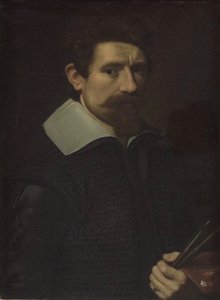
Adam Elsheimer
1578 - 1610 , Alemania
Datos clave
- Artistas Influenciados:
- Rembrandt
- Peter Paul Rubens
- Artistas Que Influyeron:
- Albrecht Dürer
- Johann Rottenhammer
- Tintoretto
- Paolo Veronese
- Fecha De Fallecimiento: 11 de diciembre de 1610
- Fecha De Nacimiento: 18 de marzo de 1578
- Lugar De Nacimiento: Frankfurt am Main, Alemania
- Movimiento Artístico: Barroco
- Nacionalidad: Alemán
- Nombre Completo: Adam Elsheimer
- Obras Notables:
- Tobías y el ángel
- La quema de Troya
- Apolo y Coronis
- Ceres y Stelio
- El martirio de Esteban
Artículos relacionados
Celestial Messengers: Angels in Painting – A Historical & Artistic Exploration
Explore the captivating history of angels in painting! Discover symbolism, iconic Renaissance & Byzantine masterpieces, and renowned artists. Expert insights for art lovers & collectors at ArtsDot.
Celestial Messengers: A Comprehensive Exploration of Angelic Representation in Art History
Explore the captivating history of angels in art! Discover symbolism, iconic Renaissance masterpieces & renowned artists. Expert insights for art lovers & collectors at ArtsDot.
Los 10 Grabados Legendarios que Transformaron la Historia del Arte | ArtsDot
Descubre los 10 grabados legendarios de Dürer, Rembrandt y Goya que revolucionaron el arte. Explora la historia, técnicas y belleza atemporal de estas obras maestras. Reproducciones de alta calidad en ArtsDot.com para decorar tu hogar con arte clásico.
Engraving: A Historical Survey of Technique, Artistic Expression & Enduring Legacy
Explore the rich history of engraving with ArtsDot. Discover techniques, iconic artists like Dürer & Callot, collecting tips, and expert guidance for preserving your art investment. Learn about intaglio printing & more!

El Intricado Mundo del Grabado: Técnica, Expresión y Legado Histórico
Descubre la fascinante historia del grabado calcográfico: técnicas ancestrales, maestros como Goya y su impacto en el arte y la ciencia. Guía experta para coleccionistas y amantes del arte.