 Ver en contexto
 Enviar
 Compartir
 Detalles

 Descargar
 Similares
 Radiografía
 Presentación de diapositivas
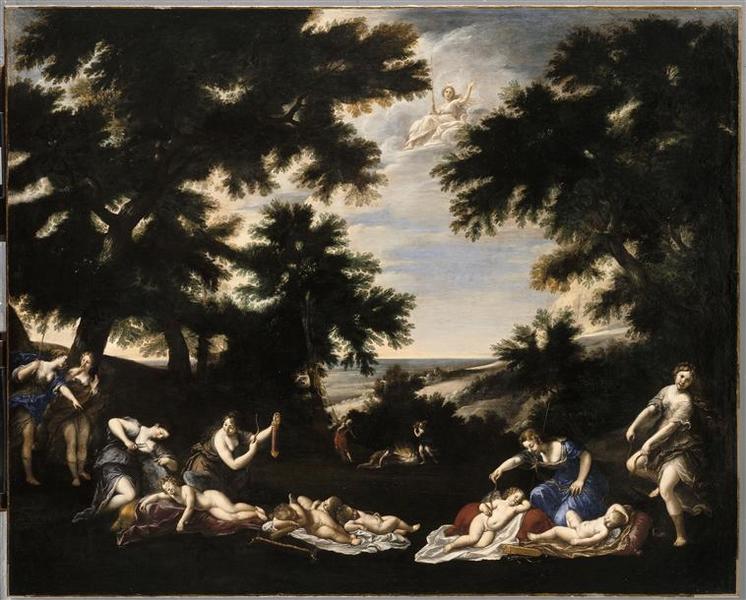
Les amours désarmés, dit aussi à tort La Terre


 Ver más
Giclée / Impresión de arte
Impresiones giclée o en lienzo de calidad de museo con producción rápida y opciones de acabado flexibles. ( Comprar pintura hecha a mano Comprar imagen)




P118B $10

P118H $10

P118W $10

P438Z $10

P508JH $12

P508YH $12

P805H $10

P805Z $10

P919BZ $10

P919G $10

P919XJ $10

P959ZH $10

P968JZ $12

W106C $8

W218G $10

W218JH $8

W218Y $10

W307PJ $10

W316G $10

W316PJ $8

W316Y $10

W398PJ $8

W4111J $10

W500HY $15

W500JH $15

W692G $12

W849H $8

W940BG $15

W953PJ $8




Elija entre nuestros tamaños predefinidos que respetan las proporciones originales de la obra.

Puede introducir sus propias dimensiones para adaptarse a un marco o espacio específico. Si el tamaño seleccionado no coincide con las proporciones de la imagen original, recortaremos la obra de arte o extenderemos la imagen con un borde con efecto espejo o de color sólido. Se enviará una maqueta digital para su aprobación antes de que comience la producción.
Tenga en cuenta que la vista previa en pantalla no refleja el recorte o la extensión real. Solo la maqueta mostrará con precisión la composición final.
Aunque existen tamaños personalizados, recomendamos seleccionar una dimensión de la lista predefinida para preservar las proporciones originales.
Envío a todo el mundo () en 2 semanas en lugar de las 4/5 semanas estándar. (3 septiembre)

Envío exprés gratuito a todo el mundo

Lienzo de lino de alta calidad

Seguro de envío total

Garantía de reembolso de impuestos aduaneros

Garantía de fidelidad cromática exacta

Política de devolución de 60 días (solo por defectos)

Garantía de devolución del 100% del dinero

Descuento por cantidad
 La opción de vidrio solo está disponible en tamaños inferiores a 110 cm.

Les amours désarmés, dit aussi à tort La Terre
Giclée / Impresión de arte
Dimensiones de la reproducción
-


Precio total final
$ 62
A Symphony of Light and Myth: Exploring Francesco Albani’s “Les Amours Désarmés”
Francesco Albani's "Les Amours Désarmés, dit aussi à tort La Terre" is not merely a painting; it’s an immersive experience—a theatrical tableau of classical mythology rendered with the dramatic intensity characteristic of the Baroque period. Painted around 1621-1633, this masterpiece, currently residing within the esteemed collection of the Louvre Museum in Paris, transports us to a secluded grove where the goddess Diana and her nymphs engage in a playful yet poignant confrontation with three enamored lovers. Albani, a pivotal figure in Italian art history, masterfully blends elements of classical restraint with the exuberant dynamism of the Baroque, creating an artwork that is both intellectually stimulating and profoundly beautiful.
The composition itself is a testament to Albani’s skill. He employs a pyramidal structure, drawing the viewer's eye inexorably towards the central group of reclining figures—Diana, radiating serene authority, and her nymphs, their movements suggesting both mischief and tenderness. Behind them unfolds a landscape meticulously rendered in atmospheric perspective; distant trees fade into hazy blues and greens, creating an illusion of vastness and depth that anchors the scene within a believable natural setting. The arrangement isn’t simply decorative; it's carefully orchestrated to convey a narrative—a delicate balance between order (represented by Diana) and unrestrained passion.
The Language of Light: Chiaroscuro and Dramatic Effect
Albani’s command of light is nothing short of breathtaking. He utilizes the technique of *chiaroscuro* – the dramatic contrast between light and shadow – to create a palpable sense of theatricality. A brilliant, almost spotlight-like illumination focuses on Diana and her nymphs, highlighting their forms and emphasizing their expressions. The surrounding areas are plunged into deep shadows, fostering an atmosphere of mystery and intrigue. This masterful manipulation of light not only adds depth and volume to the figures but also imbues the scene with a powerful emotional resonance—a suggestion of hidden desires and unspoken tensions.
The use of color further enhances this dramatic effect. Earthy tones – browns, ochres, and greens – dominate the palette, grounding the scene in a sense of naturalism. However, these muted hues are punctuated by flashes of flesh tone and subtle blues, adding visual interest and highlighting key elements within the composition. The overall effect is one of luminous intensity—a testament to Albani’s skill in layering and blending oil paints to achieve a remarkably realistic yet emotionally charged surface.
Symbolism and Narrative Depth
“Les Amours Désarmés” is rich in symbolic meaning, rooted firmly within classical mythology. The painting depicts the moment when Diana, goddess of chastity, confronts three lovers who have dared to approach her grove. The nymphs, acting as her attendants, playfully disarm the men—a gesture that simultaneously represents both a warning and an invitation. This scene is often interpreted as an allegory for the eternal struggle between love and virtue, desire and restraint. The lush landscape itself symbolizes abundance and fertility, while the figures’ poses and expressions convey a complex interplay of emotions – longing, defiance, and perhaps even a touch of melancholy.
Albani's choice to depict this particular moment is significant. It captures a fleeting instant of tension and intrigue, suggesting that the narrative—the story of love and loss—is constantly unfolding. The painting invites viewers to contemplate the timeless themes it explores: the power of desire, the constraints of morality, and the enduring allure of the natural world.
A Legacy in Oil: Technique and Artistic Influence
Albani’s technique is characterized by a remarkable blend of realism and expressive brushwork. The surfaces are rich with texture, achieved through careful layering and blending of oil paints. Loose, gestural strokes define the forms of the figures and foliage, while smoother applications create a sense of depth and luminosity in the background. The artist's mastery of *glazes*—thin layers of translucent paint applied over dried underlayers—contributes to the painting’s remarkable vibrancy and atmospheric effects.
Albani’s work profoundly influenced subsequent generations of Italian painters, particularly those associated with the Baroque movement. His emphasis on dramatic lighting, dynamic composition, and emotional intensity set a new standard for artistic expression. “Les Amours Désarmés” stands as a testament to his genius—a captivating masterpiece that continues to resonate with viewers centuries after its creation. It’s a work that speaks not only of the beauty of classical mythology but also of the enduring power of art to capture and convey the complexities of human experience.
Obras relacionadas
Biografía del artista
Albani Francesco, también conocido como l'albane, fue un destacado pintor italiano nacido en 1578 y activo hasta su muerte en 1660. Fue una figura clave en el desarrollo de la pintura barroca en Italia, particularmente en Roma.
Primeros años y formación
Francesco Albani nació en Bolonia, Italia, en una familia de artistas. Su padre, Daniele Albani, era pintor, y su tío, Giovanni Paolo Cavagna, fue un artista renombrado. La formación temprana de Francesco tuvo lugar en el estudio de Denzio Ferrari, donde aprendió los fundamentos de la pintura. Más tarde, se trasladó a Roma para estudiar bajo la guía de Guidobaldo Gandolfi.Carrera artística
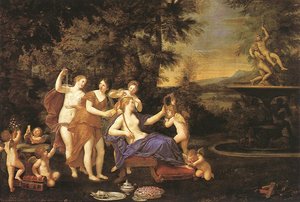
La carrera artística de Albani estuvo marcada por su estilo único, que fusionaba elementos del arte barroco y el clásico. Era conocido por sus hermosas y delicadas representaciones de escenas mitológicas y bíblicas. Una de sus obras más famosas es El Tocador de Venus, una pintura que exhibe su habilidad para capturar la belleza de la forma humana. Algunas de las obras notables de Albani incluyen:- El Bautismo de Cristo, una pintura que demuestra su capacidad para transmitir emoción y drama.
- San Sebastián, una obra que resalta su maestría con la luz y la sombra.
- La Virgen y el Niño con San Juan Bautista, una pintura que muestra su habilidad para capturar los matices de la expresión humana.
Influencia y legado
La influencia de Albani en el desarrollo de la pintura barroca en Italia fue significativa. Fue uno de los primeros artistas en introducir el uso del claroscuro, una técnica que enfatiza el contraste entre la luz y la oscuridad. Su obra también tuvo un impacto en el desarrollo de la pintura paisajística, ya que a menudo incorporaba paisajes naturales en sus composiciones. Hoy en día, las pinturas de Albani se pueden encontrar en varios museos, incluido el Museo del Louvre en París, donde está expuesto su El Tocador de Venus. Su obra también ha sido presentada en ArtsDot.com, donde los entusiastas del arte pueden aprender más sobre su vida y logros artísticos.Conclusión
Francesco Albani fue un pintor talentoso que dejó una marca indeleble en el mundo del arte. Su estilo único, que fusionaba elementos del arte barroco y clásico, continúa inspirando a artistas hoy en día. A través de su obra, podemos apreciar la belleza y el drama de la forma humana, así como la importancia de la luz y la sombra para crear una sensación de profundidad y emoción. Para más información sobre la vida y obra de Albani, visite ArtsDot.com o consulte su biografía en Wikipedia.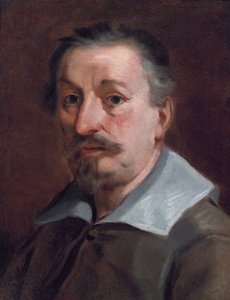
Francesco Albani (L'Albano)
1578 - 1660 , Italia
Artículos relacionados

Drama Barroca: Llevando la Grandeza y la Emoción a los Interiores Contemporáneos
Descubre cómo el drama y la grandeza del arte barroco pueden transformar tus interiores. Guía experta, inspiración y reproducciones de alta calidad en .

The Dramatic Flourish: Exploring the Baroque Movement's Enduring Legacy in Art History
Explore the dramatic world of Baroque art! Discover iconic artists like Caravaggio & Rubens, defining techniques, and its lasting impact on art history. Expert insights for collectors & enthusiasts at ArtsDot.
Echoes of Olympus: Mythological Narratives in Western Art Through the Ages
Explore the captivating history of mythological narratives in Western art! From ancient Greece to modern masterpieces, discover iconic artworks & symbolism. Expert analysis and high-quality reproductions at ArtsDot.

Barroco Sublime: 10 Obras Maestras que Definieron una Época |
Descubre las 10 obras maestras del Barroco que marcaron una época. Caravaggio, Bernini y Velázquez cobran vida en . Reproducciones de arte de calidad museo para decorar tu hogar con elegancia. ¡Explora la colección online!

The Visceral Stage: Exploring Dramatic Narratives & Emotional Intensity in Baroque Art
Explore the dramatic world of Baroque art! Discover iconic masters like Caravaggio & Rembrandt, their techniques, and the movement's lasting impact. Expert insights for collectors & enthusiasts at ArtsDot.