

 Ver en contexto
 Enviar
 Compartir
 Detalles

 Descargar
 Similares
 Radiografía
 Presentación de diapositivas
 Estadísticas
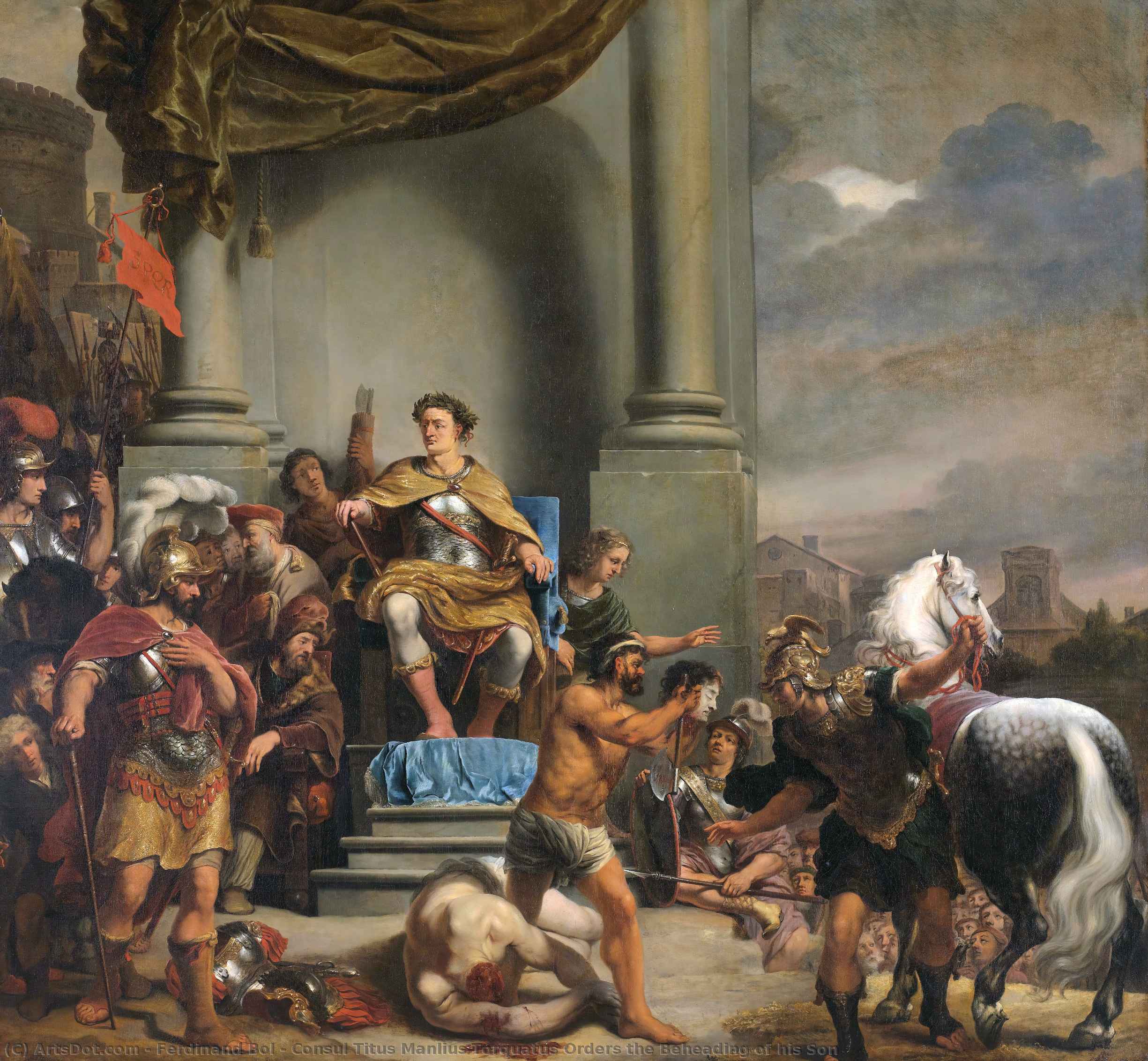
Consul Titus Manlius Torquatus Orders the Beheading of his Son


 Ver más
Adquiera una imagen digital de alta resolución y optimizada, muy superior a la vista previa en línea.
Cada archivo es preparado meticulosamente por nuestros especialistas internos mediante el uso de herramientas avanzadas y un experto retoque manual. Nos aseguramos de que cada imagen posea una claridad excepcional, una precisión cromática impecable y un detalle minucioso.
El archivo final se entrega por correo electrónico en un plazo de 72 horas, optimizado para su uso inmediato en entornos profesionales, editoriales y de impresión. Esta es la misma calidad en la que confían los estudios de diseño, las editoriales y las galerías de primer nivel.
Imagen Digital
Descarga un archivo de alta resolución para exhibición personal, impresión y proyectos creativos. ( Cambiar a Impresión Comprar pintura hecha a mano)
Incluido en cada pedido de imágenes digitales
Entrega digital experta, garantizada.
Al elegir ArtsDot.com, no solo está adquiriendo una imagen; está recibiendo una obra de arte digital mejorada profesionalmente, elaborada con precisión y respaldada por una garantía de satisfacción. Esto es todo lo que incluye su pedido, automáticamente:

Entrega rápida por email
Recibirá su archivo de imagen digital en alta resolución por correo electrónico en un plazo de 72 horas tras realizar su pedido, listo para su uso inmediato.

Archivo digital optimizado por IA
Su obra de arte se optimiza profesionalmente mediante herramientas avanzadas de IA y edición manual, garantizando el máximo detalle, claridad y precisión cromática.

Reenvío gratuito de por vida
¿Has borrado o perdido tu archivo por error? No te preocupes: te lo volveremos a enviar en cualquier momento, sin coste adicional.

Sin gastos de importación, siempre
Disfrute de su obra de arte al instante sin aduanas, aranceles ni gastos de envío; las descargas digitales siempre están libres de impuestos.

Garantía de fidelidad de color
Garantizamos que su imagen digital refleje los colores originales con la mayor fidelidad posible, mediante el uso de herramientas profesionales y gestión del color.

Garantía de satisfacción de 100 días
Si no está satisfecho con su imagen digital, la revisaremos o le reembolsaremos el 100% en un plazo de 100 días, sin preguntas.

100% Garantía de devolución de dinero
¿No está satisfecho? Obtenga un reembolso completo dentro de los 100 días posteriores a la recepción de su archivo digital, sin preguntas.

Descuentos por pedidos grandes
Compra 3 imágenes, ahorra 10% - Compra 5, ahorra 15% - Compra 10+, ahorra 20%. Ideal para proyectos creativos, galerías y agencias.
A Moment Frozen in Roman Tragedy
In the grand theater of the Dutch Golden Age, few moments possess the visceral tension found in Ferdinand Bol’s 1664 masterpiece, Consul Titus Manlius Torquatus Orders the Beheading of his Son. This oil on canvas is not merely a painting; it is a profound psychological drama captured in a single, breathless instant. The scene transports us to the heart of ancient Rome, where the rigid structures of law and duty collide violently with the primal bonds of fatherhood. As we gaze upon the composition, we are witnesses to a pivotal historical tragedy: a consul, bound by his oath to uphold Roman discipline, must condemn his own flesh and blood to death for an act of disobedience. The air in the painting feels heavy, thick with the weight of an irreversible decision that will echo through the annals of history.
The emotional landscape of the work is masterfully navigated through Bol’s command of chiaroscuro. By utilizing dramatic contrasts between deep, swallowing shadows and piercing highlights, the artist directs our eyes with surgical precision to the central conflict. The light falls most intensely upon the figures at the heart of the tragedy—the seated consul, whose face is a mask of stern, agonizing resolve, and the kneeling son, whose posture radiates a desperate, pleading vulnerability. This interplay of light does more than create depth; it illuminates the moral struggle between personal grief and public responsibility, making the silent screams of the figures almost audible to the viewer.
The Artistry of Command and Consequence
Ferdinand Bol, a pupil once so closely aligned with Rembrandt that his early works often rivaled the master in shadow and soul, demonstrates here his unique ability to blend gritty realism with theatrical flair. The technical execution is nothing short of extraordinary. One can almost feel the cold weight of the consul’s sword and the rough texture of the soldiers' armor. Bol meticulously renders the architectural elements—the imposing columns and the vast, cloud-strewn sky—to create a sense of an expansive, public forum that serves as a stage for this private horror. The background, populated by soldiers and horses, provides a sense of scale and military gravity, reminding us that this execution is not just a family tragedy, but a state-sanctioned act of justice.
For the discerning collector or interior designer, this painting offers more than mere decoration; it offers a conversation piece of immense intellectual and aesthetic depth. The symbolism within the work—the severed head representing the ultimate price of insubordination, and the throne-like chair signifying the unyielding seat of authority—makes it an ideal centerpiece for spaces that value strength, history, and classical elegance. Whether placed in a sophisticated study or a grand gallery, Bol’s work commands attention, inviting onlookers to contemplate the eternal conflict between the heart's desires and the heavy mantle of leadership.
To own a high-quality reproduction of this work is to bring a piece of the Baroque soul into a modern environment. It serves as a timeless reminder of the complexities of human nature and the enduring power of historical narrative. In an era of fleeting images, Bol’s Consul Titus Manlius Torquatus stands as a monumental testament to the enduring impact of duty, the tragedy of lost innocence, and the breathtaking mastery of the Dutch Baroque tradition.
Obras relacionadas



Biografía del artista
biografía de un artista olvidado
fernand bol, pintor, grabador y dibujante holandés, nació el 24 de junio de 1616 en dordrecht, países bajos. su vida y obra están marcadas por la influencia de rembrandt, su maestro, y las tendencias artísticas predominantes del período barroco.primera infancia y formación
la primera formación de bol como aprendiz bajo jacob cuyp en su ciudad natal o de abraham bloemaert en utrecht sentó las bases para sus futuros esfuerzos artísticos. después de 1630, estudió con rembrandt, viviendo en su casa en sint antoniesbreestraat, una calle y zona de moda para pintores, joyeros, arquitectos y muchos inmigrantes flamencos y judíos.carrera artística
la carrera artística de bol puede caracterizarse por los siguientes puntos clave:- la paz entre claudius civilis y quintus petillius cerealis en el puente demolido, una pintura que muestra su dominio de los temas históricos, ahora se encuentra en el museo de bellas artes (https://ArtsDot.com/@@/d36val-ferdinand-bol-the-peace-negotiations-between-claudius-civilis-and-quintus-p..).
- en 1652, bol se convirtió en burgués de amsterdam y, en 1653, se casó con elisabeth dell, cuya padre ocupaba cargos en la administración naval de amsterdam y en el gremio de comerciantes de vino.
- a mediados de la década, bol recibía más encargos oficiales que cualquier otro artista en amsterdam, incluidos pedidos para entregar dos chimeneas para habitaciones en el nuevo ayuntamiento diseñadas por jacob van campen.
- godfrey kneller fue su alumno.
legado y vida posterior
la primera esposa de bol murió en 1660. en 1669, se casó con anna van erckel, viuda del tesorero de la administración naval, y aparentemente se retiró de la pintura en ese momento de su vida. bol sirvió como gobernador en un hogar para leprosos y murió el 24 de agosto de 1680. obras notables:- la paz entre claudius civilis y quintus petillius cerealis en el puente demolido (https://ArtsDot.com/@@/d36val-ferdinand-bol-the-peace-negotiations-between-claudius-civilis-and-quintus-p..)
- pirro muestra su elefante a fabritius (palacio real de amsterdam)
- hombre con casco dorado (marte) (museo nacional, varsovia)
- gobernadores del gremio de comerciantes de vino (alte pinakothek)
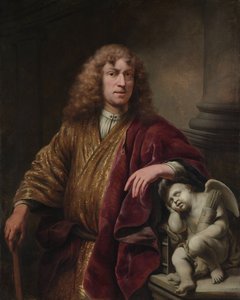
Ferdinand Bol
1616 - 1680 , Países Bajos
Breves datos
- Artistas Que Influyeron: ['Rembrandt van Rijn']
- Fecha De Fallecimiento: 24 de agosto de 1680
- Fecha De Nacimiento: 24 de junio de 1616
- Influenciado A: ['Godfrey Kneller']
- Lugar De Nacimiento: Dordrecht, Países Bajos
- Movimiento Artístico: Barroco
- Nacionalidad: Neerlandés
- Nombre Completo: Ferdinand Bol
- Obras Notables:
- La paz entre Claudio Civilis
- Pirro mostrando su elefante
- Hombre con casco dorado (Marte)
- Gobernadores de la gremial