 Ver en contexto
 Enviar
 Compartir
 Detalles

 Descargar
 Similares
 Radiografía
 Presentación de diapositivas
 Estadísticas
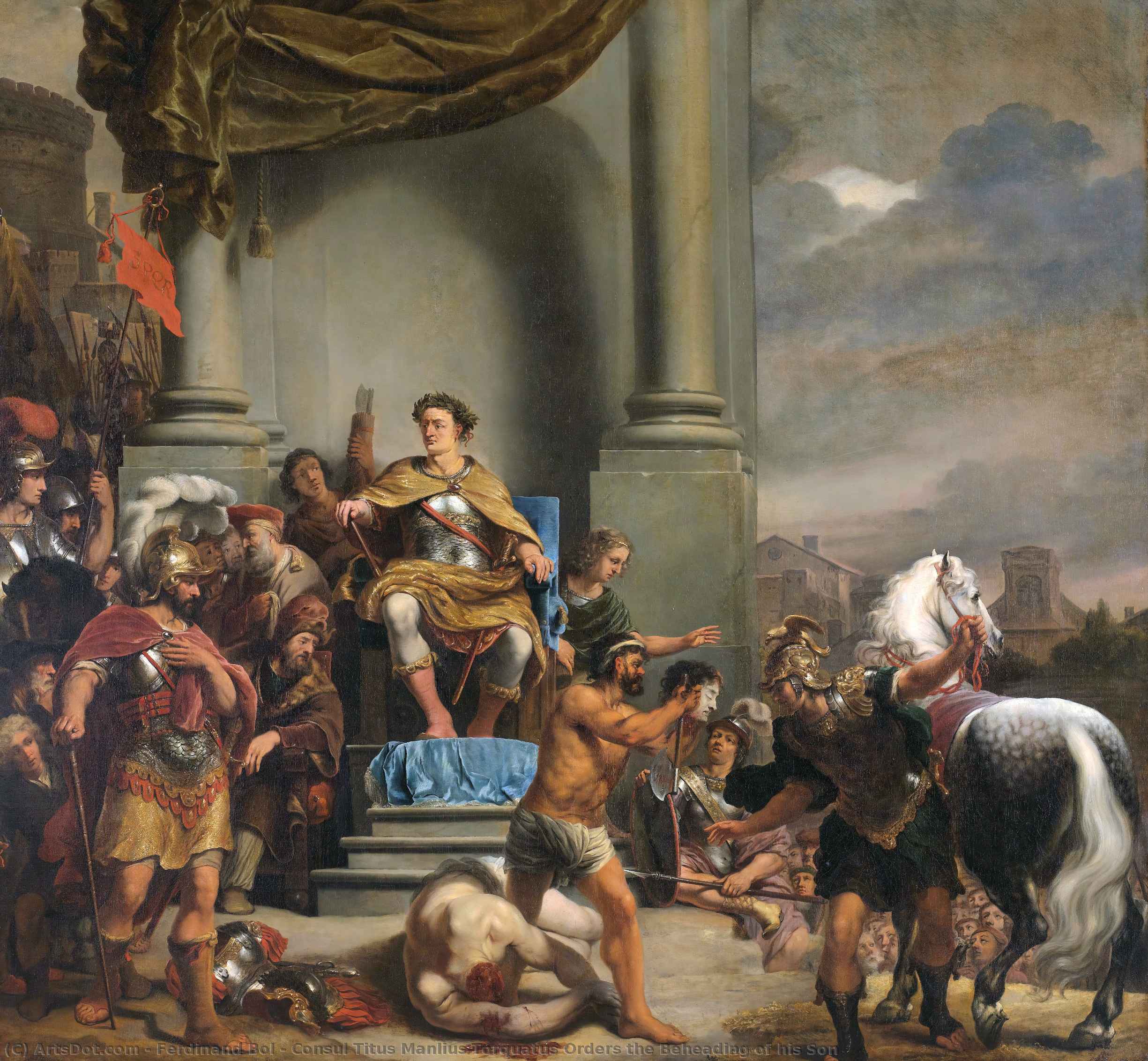
Consul Titus Manlius Torquatus Orders the Beheading of his Son


 Ver más
Giclée / Impresión de arte
Impresiones giclée o en lienzo de calidad de museo con producción rápida y opciones de acabado flexibles. ( Comprar pintura hecha a mano Cambiar a imagen digital)




P118B $10

P118H $10

P118W $10

P438Z $10

P508JH $12

P508YH $12

P805H $10

P805Z $10

P919BZ $10

P919G $10

P919XJ $10

P959ZH $10

P968JZ $12

W106C $8

W218G $10

W218JH $8

W218Y $10

W307PJ $10

W316G $10

W316PJ $8

W316Y $10

W398PJ $8

W4111J $10

W500HY $15

W500JH $15

W692G $12

W849H $8

W940BG $15

W953PJ $8




Elija entre nuestros tamaños predefinidos que respetan las proporciones originales de la obra.

Puede introducir sus propias dimensiones para adaptarse a un marco o espacio específico. Si el tamaño seleccionado no coincide con las proporciones de la imagen original, recortaremos la obra de arte o extenderemos la imagen con un borde con efecto espejo o de color sólido. Se enviará una maqueta digital para su aprobación antes de que comience la producción.
Tenga en cuenta que la vista previa en pantalla no refleja el recorte o la extensión real. Solo la maqueta mostrará con precisión la composición final.
Aunque existen tamaños personalizados, recomendamos seleccionar una dimensión de la lista predefinida para preservar las proporciones originales.
Envío a todo el mundo () en 2 semanas en lugar de las 4/5 semanas estándar. (10 septiembre)

Envío exprés gratuito a todo el mundo

Lienzo de lino de alta calidad

Seguro de envío total

Garantía de reembolso de impuestos aduaneros

Garantía de fidelidad cromática exacta

Política de devolución de 100 días (solo por defectos)

Garantía de devolución del 100% del dinero

Descuento por cantidad
 La opción de vidrio solo está disponible en tamaños inferiores a 110 cm.

Consul Titus Manlius Torquatus Orders the Beheading of his Son
Giclée / Impresión de arte
Dimensiones de la reproducción
-


Precio total final
$ 62
A Moment Frozen in Roman Tragedy
In the grand theater of the Dutch Golden Age, few moments possess the visceral tension found in Ferdinand Bol’s 1664 masterpiece, Consul Titus Manlius Torquatus Orders the Beheading of his Son. This oil on canvas is not merely a painting; it is a profound psychological drama captured in a single, breathless instant. The scene transports us to the heart of ancient Rome, where the rigid structures of law and duty collide violently with the primal bonds of fatherhood. As we gaze upon the composition, we are witnesses to a pivotal historical tragedy: a consul, bound by his oath to uphold Roman discipline, must condemn his own flesh and blood to death for an act of disobedience. The air in the painting feels heavy, thick with the weight of an irreversible decision that will echo through the annals of history.
The emotional landscape of the work is masterfully navigated through Bol’s command of chiaroscuro. By utilizing dramatic contrasts between deep, swallowing shadows and piercing highlights, the artist directs our eyes with surgical precision to the central conflict. The light falls most intensely upon the figures at the heart of the tragedy—the seated consul, whose face is a mask of stern, agonizing resolve, and the kneeling son, whose posture radiates a desperate, pleading vulnerability. This interplay of light does more than create depth; it illuminates the moral struggle between personal grief and public responsibility, making the silent screams of the figures almost audible to the viewer.
The Artistry of Command and Consequence
Ferdinand Bol, a pupil once so closely aligned with Rembrandt that his early works often rivaled the master in shadow and soul, demonstrates here his unique ability to blend gritty realism with theatrical flair. The technical execution is nothing short of extraordinary. One can almost feel the cold weight of the consul’s sword and the rough texture of the soldiers' armor. Bol meticulously renders the architectural elements—the imposing columns and the vast, cloud-strewn sky—to create a sense of an expansive, public forum that serves as a stage for this private horror. The background, populated by soldiers and horses, provides a sense of scale and military gravity, reminding us that this execution is not just a family tragedy, but a state-sanctioned act of justice.
For the discerning collector or interior designer, this painting offers more than mere decoration; it offers a conversation piece of immense intellectual and aesthetic depth. The symbolism within the work—the severed head representing the ultimate price of insubordination, and the throne-like chair signifying the unyielding seat of authority—makes it an ideal centerpiece for spaces that value strength, history, and classical elegance. Whether placed in a sophisticated study or a grand gallery, Bol’s work commands attention, inviting onlookers to contemplate the eternal conflict between the heart's desires and the heavy mantle of leadership.
To own a high-quality reproduction of this work is to bring a piece of the Baroque soul into a modern environment. It serves as a timeless reminder of the complexities of human nature and the enduring power of historical narrative. In an era of fleeting images, Bol’s Consul Titus Manlius Torquatus stands as a monumental testament to the enduring impact of duty, the tragedy of lost innocence, and the breathtaking mastery of the Dutch Baroque tradition.
Obras relacionadas



Biografía del artista
biografía de un artista olvidado
fernand bol, pintor, grabador y dibujante holandés, nació el 24 de junio de 1616 en dordrecht, países bajos. su vida y obra están marcadas por la influencia de rembrandt, su maestro, y las tendencias artísticas predominantes del período barroco.primera infancia y formación
la primera formación de bol como aprendiz bajo jacob cuyp en su ciudad natal o de abraham bloemaert en utrecht sentó las bases para sus futuros esfuerzos artísticos. después de 1630, estudió con rembrandt, viviendo en su casa en sint antoniesbreestraat, una calle y zona de moda para pintores, joyeros, arquitectos y muchos inmigrantes flamencos y judíos.carrera artística
la carrera artística de bol puede caracterizarse por los siguientes puntos clave:- la paz entre claudius civilis y quintus petillius cerealis en el puente demolido, una pintura que muestra su dominio de los temas históricos, ahora se encuentra en el museo de bellas artes (https://ArtsDot.com/@@/d36val-ferdinand-bol-the-peace-negotiations-between-claudius-civilis-and-quintus-p..).
- en 1652, bol se convirtió en burgués de amsterdam y, en 1653, se casó con elisabeth dell, cuya padre ocupaba cargos en la administración naval de amsterdam y en el gremio de comerciantes de vino.
- a mediados de la década, bol recibía más encargos oficiales que cualquier otro artista en amsterdam, incluidos pedidos para entregar dos chimeneas para habitaciones en el nuevo ayuntamiento diseñadas por jacob van campen.
- godfrey kneller fue su alumno.
legado y vida posterior
la primera esposa de bol murió en 1660. en 1669, se casó con anna van erckel, viuda del tesorero de la administración naval, y aparentemente se retiró de la pintura en ese momento de su vida. bol sirvió como gobernador en un hogar para leprosos y murió el 24 de agosto de 1680. obras notables:- la paz entre claudius civilis y quintus petillius cerealis en el puente demolido (https://ArtsDot.com/@@/d36val-ferdinand-bol-the-peace-negotiations-between-claudius-civilis-and-quintus-p..)
- pirro muestra su elefante a fabritius (palacio real de amsterdam)
- hombre con casco dorado (marte) (museo nacional, varsovia)
- gobernadores del gremio de comerciantes de vino (alte pinakothek)
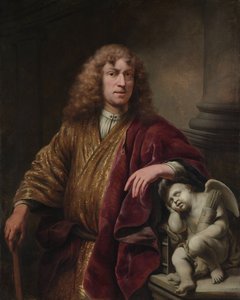
Ferdinand Bol
1616 - 1680 , Países Bajos
Datos clave
- Artistas Que Influyeron: ['Rembrandt van Rijn']
- Fecha De Fallecimiento: 24 de agosto de 1680
- Fecha De Nacimiento: 24 de junio de 1616
- Influenciado A: ['Godfrey Kneller']
- Lugar De Nacimiento: Dordrecht, Países Bajos
- Movimiento Artístico: Barroco
- Nacionalidad: Neerlandés
- Nombre Completo: Ferdinand Bol
- Obras Notables:
- La paz entre Claudio Civilis
- Pirro mostrando su elefante
- Hombre con casco dorado (Marte)
- Gobernadores de la gremial
Artículos relacionados

Theatricality & Triumph: Baroque Drama in Painting & Sculpture
Explore the dramatic world of Baroque art! Discover its history, defining characteristics, & lasting influence on painting & sculpture. Expert insights into Caravaggio, Zurbarán, and Bernini – plus high-quality reproductions at ArtsDot.

The Visceral Stage: Exploring Dramatic Narratives & Emotional Intensity in Baroque Art
Explore the dramatic world of Baroque art! Discover iconic masters like Caravaggio & Rembrandt, their techniques, and the movement's lasting impact. Expert insights for collectors & enthusiasts at ArtsDot.

Drama Barroca: Llevando la Grandeza y la Emoción a los Interiores Contemporáneos
Descubre cómo el drama y la grandeza del arte barroco pueden transformar tus interiores. Guía experta, inspiración y reproducciones de alta calidad en .

Barroco Sublime: 10 Obras Maestras que Definieron una Época |
Descubre las 10 obras maestras del Barroco que marcaron una época. Caravaggio, Bernini y Velázquez cobran vida en . Reproducciones de arte de calidad museo para decorar tu hogar con elegancia. ¡Explora la colección online!

The Dramatic Flourish: Exploring the Baroque Movement's Enduring Legacy in Art History
Explore the dramatic world of Baroque art! Discover iconic artists like Caravaggio & Rubens, defining techniques, and its lasting impact on art history. Expert insights for collectors & enthusiasts at ArtsDot.