

 Ver en contexto
 Enviar
 Compartir
 Detalles

 Descargar
 Similares
 Radiografía
 Presentación de diapositivas
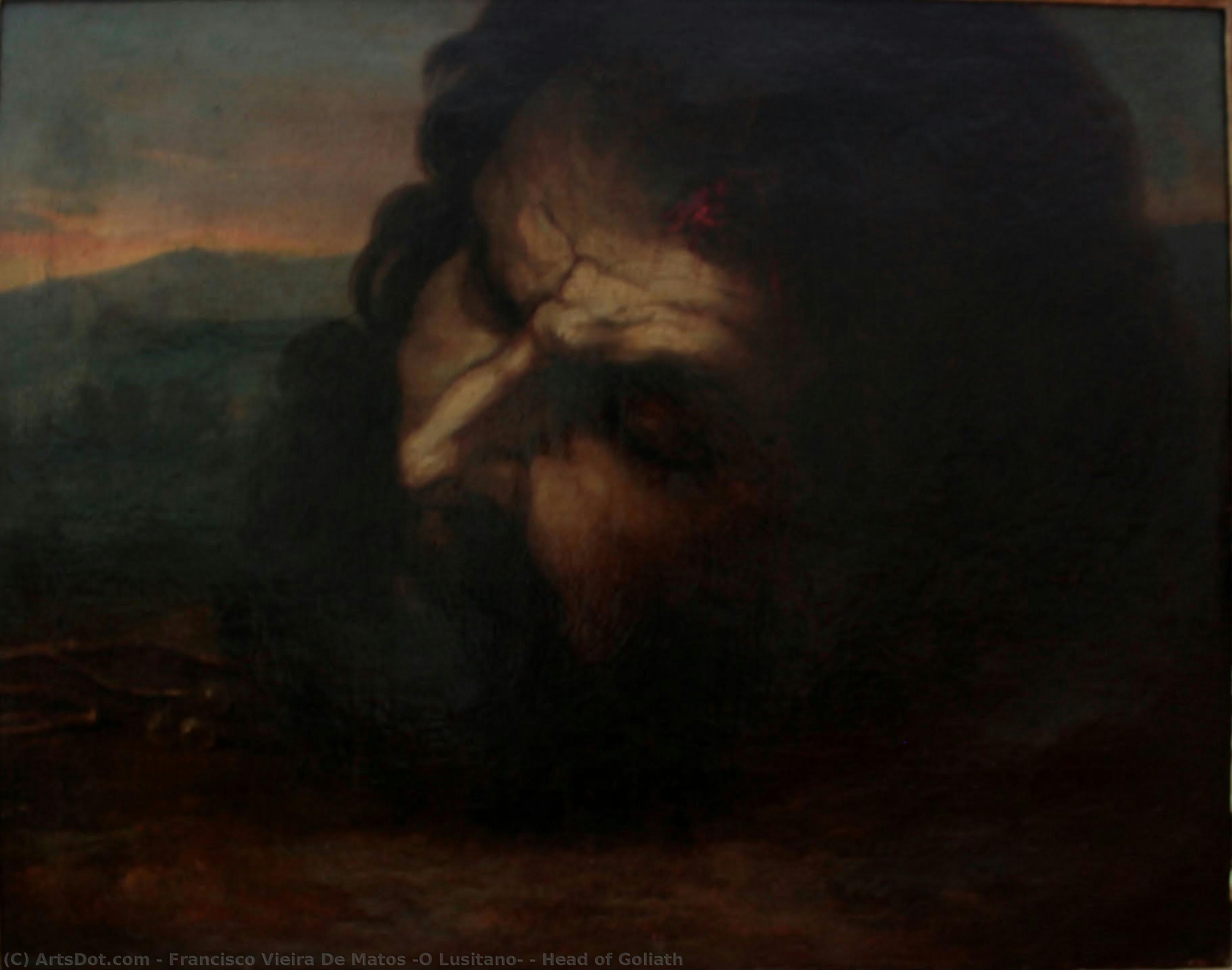
Head of Goliath


 Ver más
Reproducción al óleo hecha a mano
Óleo sobre lienzo pintado a mano en el tamaño y marco de su elección, realizado por encargo por nuestros artistas. ( Comprar impresión Comprar imagen)




































Elija entre nuestros tamaños predefinidos que respetan las proporciones originales de la obra.

Puede ingresar sus propias dimensiones para adaptarse a un marco o espacio específico. Si el tamaño seleccionado no coincide con las proporciones de la imagen original, recortaremos la obra o extenderemos la pintura con elementos adicionales pintados a mano. Se le enviará una maqueta digital para su aprobación antes de comenzar la producción.
Tenga en cuenta que la vista previa en pantalla no refleja el recorte o la extensión reales. Solo la maqueta mostrará con precisión la composición final.
Si bien existen tamaños personalizados, recomendamos seleccionar una dimensión de la lista predefinida para preservar las proporciones originales.
Tras realizar el pedido, el equipo de ArtsDot.com enviará un correo electrónico al cliente para solicitar instrucciones y proporcionarle una vista previa del boceto.
Envío a todo el mundo () en 3-4 semanas en lugar de las 5 semanas estándar. (24 agosto). Sin comprometer la calidad.

Envío exprés gratuito a todo el mundo

Lienzo de lino de alta calidad

Seguro de envío total

Garantía de reembolso de impuestos aduaneros

Garantía de fidelidad cromática exacta

Política de devolución de 60 días (solo por defectos)

Garantía de devolución del 100% del dinero

Descuento por cantidad
 La opción de vidrio solo está disponible en tamaños inferiores a 110 cm.

Head of Goliath
Técnica de reproducción
Dimensiones de la reproducción
-


Precio total final
$ 263
Descripción de la obra
Obras relacionadas




Biografía del artista
Francisco Vieira de Matos “O Lusitano”: A Baroque Visionary
Francisco Vieira de Matos, known affectionately as "O Lusitano," remains a captivating figure in Portuguese Baroque art history—a painter whose legacy persists despite the scarcity of biographical details. Born sometime around 1698 in Portugal (the exact location is currently undocumented), his artistic journey unfolded against the backdrop of Lisbon’s vibrant cultural landscape during the reign of King João VI. While precise records concerning his formative years are elusive, scholars believe he honed his skills under the tutelage of António José Campanella, a prominent Baroque artist who championed dramatic compositions and emotive rendering—influences that undeniably shaped Vieira de Matos' distinctive style.Early Artistic Development & Influences
Vieira Lusitano’s artistic sensibilities were profoundly impacted by the prevailing Baroque aesthetic, characterized by grandeur, theatricality, and an obsession with conveying spiritual fervor. The Lisbon Earthquake of 1755 served as a pivotal moment, triggering widespread devastation and prompting artists to grapple with themes of mortality, faith, and divine providence. Vieira Lusitano’s oeuvre reflects this preoccupation—particularly evident in his depictions of biblical narratives and mythological scenes imbued with palpable emotion. He skillfully employed chiaroscuro—the dramatic interplay between light and shadow—to heighten visual impact and guide the viewer's gaze toward key elements within his canvases.Notable Works & Artistic Style
Vieira Lusitano’s artistic reputation rests primarily on a handful of remarkable paintings, most notably “Studies for Christ Enraged with the World and the Virgin Placating His Wrath” (1730). This monumental composition showcases Vieira Lusitano's mastery of technique—his meticulous attention to detail, his masterful use of color palettes, and his ability to capture the psychological complexity of his subjects. The painting’s turbulent depiction of Christ’s fury against earthly adversaries underscores Vieira Lusitano’s commitment to conveying profound spiritual truths through visual storytelling. Furthermore, “Head of Goliath” exemplifies his penchant for dramatic poses and expressive facial expressions—a stylistic hallmark that distinguishes him from many of his contemporaries.Legacy & Historical Significance
Despite the paucity of biographical information, Francisco Vieira de Matos "O Lusitano" cemented his place in Portuguese art history as a pivotal voice within the Baroque movement. His works exemplify the era’s artistic ideals—its embrace of theatrical grandeur and its exploration of existential themes—contributing significantly to Portugal's cultural heritage. The Legion of Honor in San Francisco houses one of his paintings, showcasing the enduring appreciation for his artistic achievements across continents. Vieira Lusitano’s legacy continues to inspire artists and scholars alike, ensuring that “O Lusitano” remains a celebrated figure within Portuguese Baroque art.Further Exploration
For deeper insights into Francisco Vieira de Matos' life and work, consult resources such as ULAN Full Record Display (Getty Research) – Getty Museum: https://www.getty.edu/vow/ULANFullDisplay?find=500005920&role=&nation=&prev_page=1&subjectid=500005920 and explore related artworks like “Mythological Scene” and “Head of Goliath.”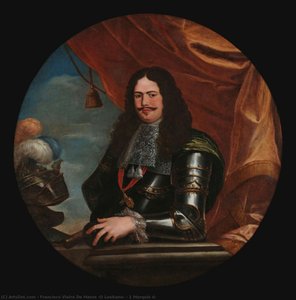
Datos clave
- Artistic Movement Or Style: Baroque
- Full Name: Francisco Vieira de Matos "O Lusitano"
- Nationality: Portuguese
- Notable Artworks:
- Studies for Christ Enraged with the World and Virgin Placating His Wrath
- Head of Goliath
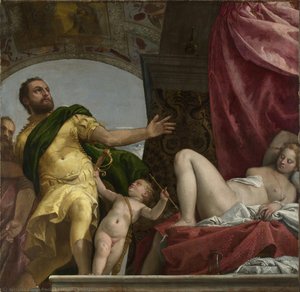
- Mythological Scene
- Place Of Birth: Portugal
Artículos relacionados

The Dramatic Flourish: Exploring the Baroque Movement's Enduring Legacy in Art History
Explore the dramatic world of Baroque art! Discover iconic artists like Caravaggio & Rubens, defining techniques, and its lasting impact on art history. Expert insights for collectors & enthusiasts at ArtsDot.

Barroco Sublime: 10 Obras Maestras que Definieron una Época |
Descubre las 10 obras maestras del Barroco que marcaron una época. Caravaggio, Bernini y Velázquez cobran vida en . Reproducciones de arte de calidad museo para decorar tu hogar con elegancia. ¡Explora la colección online!

The Enduring Power of Painting: A Historical & Contemporary Exploration of Form and Emotion
Explore the rich history & enduring techniques of oil painting with ArtsDot. Discover masterpieces, learn about art collecting, and find authentic handmade reproductions crafted by skilled artists.

El Óleo sobre Lienzo: Historia, Técnica y la Persistencia de un Medio Artístico Atemporal
Descubre la historia y técnica del óleo sobre lienzo. Explora reproducciones fieles hechas a mano, personalización artística y consejos de expertos con ArtsDot. ¡Colecciona arte con confianza!

Romantic Realism's Finest: 10 Masterpieces for Your Home | ArtsDot
Explore 10 defining masterpieces of Romantic Realism! Discover Courbet, Millet & Daumier's powerful paintings—capturing emotion and social realities. Find museum-quality reproductions for your home at ArtsDot.com.

