

 Ver en contexto
 Enviar
 Compartir
 Detalles

 Descargar
 Similares
 Radiografía
 Presentación de diapositivas
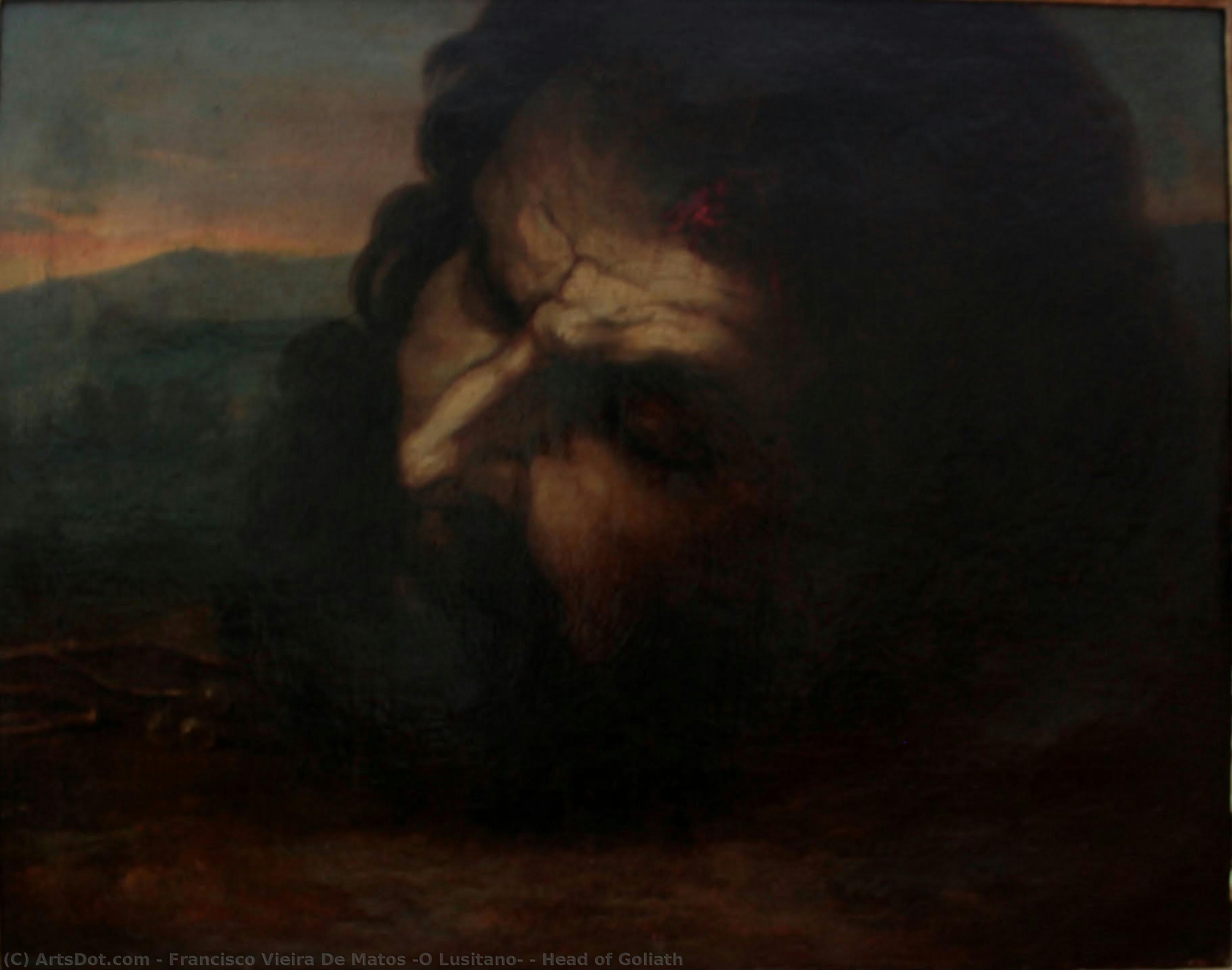
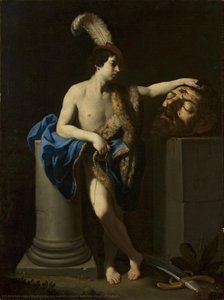
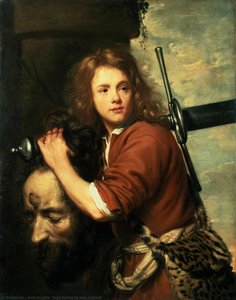
Head of Goliath


 Ver más
Adquiera una imagen digital de alta resolución y optimizada, muy superior a la vista previa en línea.
Cada archivo es preparado meticulosamente por nuestros especialistas internos mediante el uso de herramientas avanzadas y un experto retoque manual. Nos aseguramos de que cada imagen posea una claridad excepcional, una precisión cromática impecable y un detalle minucioso.
El archivo final se entrega por correo electrónico en un plazo de 72 horas, optimizado para su uso inmediato en entornos profesionales, editoriales y de impresión. Esta es la misma calidad en la que confían los estudios de diseño, las editoriales y las galerías de primer nivel.
Imagen Digital
Descarga un archivo de alta resolución para exhibición personal, impresión y proyectos creativos. ( Comprar impresión Comprar pintura hecha a mano)
Incluido en cada pedido de imágenes digitales
Entrega digital experta, garantizada.
Al elegir ArtsDot.com, no solo está adquiriendo una imagen; está recibiendo una obra de arte digital mejorada profesionalmente, elaborada con precisión y respaldada por una garantía de satisfacción. Esto es todo lo que incluye su pedido, automáticamente:

Entrega rápida por email
Recibirá su archivo de imagen digital en alta resolución por correo electrónico en un plazo de 72 horas tras realizar su pedido, listo para su uso inmediato.

Archivo digital optimizado por IA
Su obra de arte se optimiza profesionalmente mediante herramientas avanzadas de IA y edición manual, garantizando el máximo detalle, claridad y precisión cromática.

Reenvío gratuito de por vida
¿Has borrado o perdido tu archivo por error? No te preocupes: te lo volveremos a enviar en cualquier momento, sin coste adicional.

Sin gastos de importación, siempre
Disfrute de su obra de arte al instante sin aduanas, aranceles ni gastos de envío; las descargas digitales siempre están libres de impuestos.

Garantía de fidelidad de color
Garantizamos que su imagen digital refleje los colores originales con la mayor fidelidad posible, mediante el uso de herramientas profesionales y gestión del color.

Garantía de satisfacción de 60 días
Si no está satisfecho con su imagen digital, la revisaremos o le reembolsaremos el 100% en un plazo de 60 días, sin preguntas.

100% Garantía de devolución de dinero
¿No está satisfecho? Obtenga un reembolso completo dentro de los 60 días posteriores a la recepción de su archivo digital, sin necesidad de explicaciones.

Descuentos por pedidos grandes
Compra 3 imágenes, ahorra 10% - Compra 5, ahorra 15% - Compra 10+, ahorra 20%. Ideal para proyectos creativos, galerías y agencias.
Descripción del coleccionable
Obras relacionadas

Biografía del artista
Francisco Vieira de Matos “O Lusitano”: A Baroque Visionary
Francisco Vieira de Matos, known affectionately as "O Lusitano," remains a captivating figure in Portuguese Baroque art history—a painter whose legacy persists despite the scarcity of biographical details. Born sometime around 1698 in Portugal (the exact location is currently undocumented), his artistic journey unfolded against the backdrop of Lisbon’s vibrant cultural landscape during the reign of King João VI. While precise records concerning his formative years are elusive, scholars believe he honed his skills under the tutelage of António José Campanella, a prominent Baroque artist who championed dramatic compositions and emotive rendering—influences that undeniably shaped Vieira de Matos' distinctive style.Early Artistic Development & Influences
Vieira Lusitano’s artistic sensibilities were profoundly impacted by the prevailing Baroque aesthetic, characterized by grandeur, theatricality, and an obsession with conveying spiritual fervor. The Lisbon Earthquake of 1755 served as a pivotal moment, triggering widespread devastation and prompting artists to grapple with themes of mortality, faith, and divine providence. Vieira Lusitano’s oeuvre reflects this preoccupation—particularly evident in his depictions of biblical narratives and mythological scenes imbued with palpable emotion. He skillfully employed chiaroscuro—the dramatic interplay between light and shadow—to heighten visual impact and guide the viewer's gaze toward key elements within his canvases.Notable Works & Artistic Style
Vieira Lusitano’s artistic reputation rests primarily on a handful of remarkable paintings, most notably “Studies for Christ Enraged with the World and the Virgin Placating His Wrath” (1730). This monumental composition showcases Vieira Lusitano's mastery of technique—his meticulous attention to detail, his masterful use of color palettes, and his ability to capture the psychological complexity of his subjects. The painting’s turbulent depiction of Christ’s fury against earthly adversaries underscores Vieira Lusitano’s commitment to conveying profound spiritual truths through visual storytelling. Furthermore, “Head of Goliath” exemplifies his penchant for dramatic poses and expressive facial expressions—a stylistic hallmark that distinguishes him from many of his contemporaries.Legacy & Historical Significance
Despite the paucity of biographical information, Francisco Vieira de Matos "O Lusitano" cemented his place in Portuguese art history as a pivotal voice within the Baroque movement. His works exemplify the era’s artistic ideals—its embrace of theatrical grandeur and its exploration of existential themes—contributing significantly to Portugal's cultural heritage. The Legion of Honor in San Francisco houses one of his paintings, showcasing the enduring appreciation for his artistic achievements across continents. Vieira Lusitano’s legacy continues to inspire artists and scholars alike, ensuring that “O Lusitano” remains a celebrated figure within Portuguese Baroque art.Further Exploration
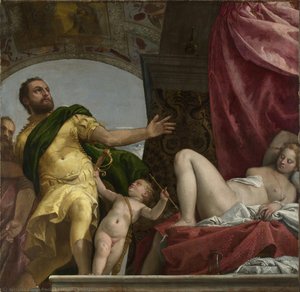
For deeper insights into Francisco Vieira de Matos' life and work, consult resources such as ULAN Full Record Display (Getty Research) – Getty Museum: https://www.getty.edu/vow/ULANFullDisplay?find=500005920&role=&nation=&prev_page=1&subjectid=500005920 and explore related artworks like “Mythological Scene” and “Head of Goliath.”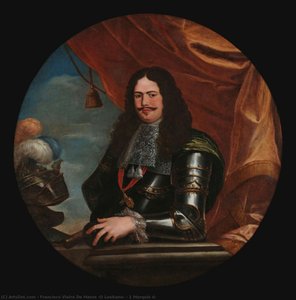
Breves datos
- Artistic Movement Or Style: Baroque
- Full Name: Francisco Vieira de Matos "O Lusitano"
- Nationality: Portuguese
- Notable Artworks:
- Studies for Christ Enraged with the World and Virgin Placating His Wrath
- Head of Goliath
- Mythological Scene
- Place Of Birth: Portugal

