 Ver en contexto
 Enviar
 Compartir
 Detalles

 Descargar
 Similares
 Radiografía
 Presentación de diapositivas
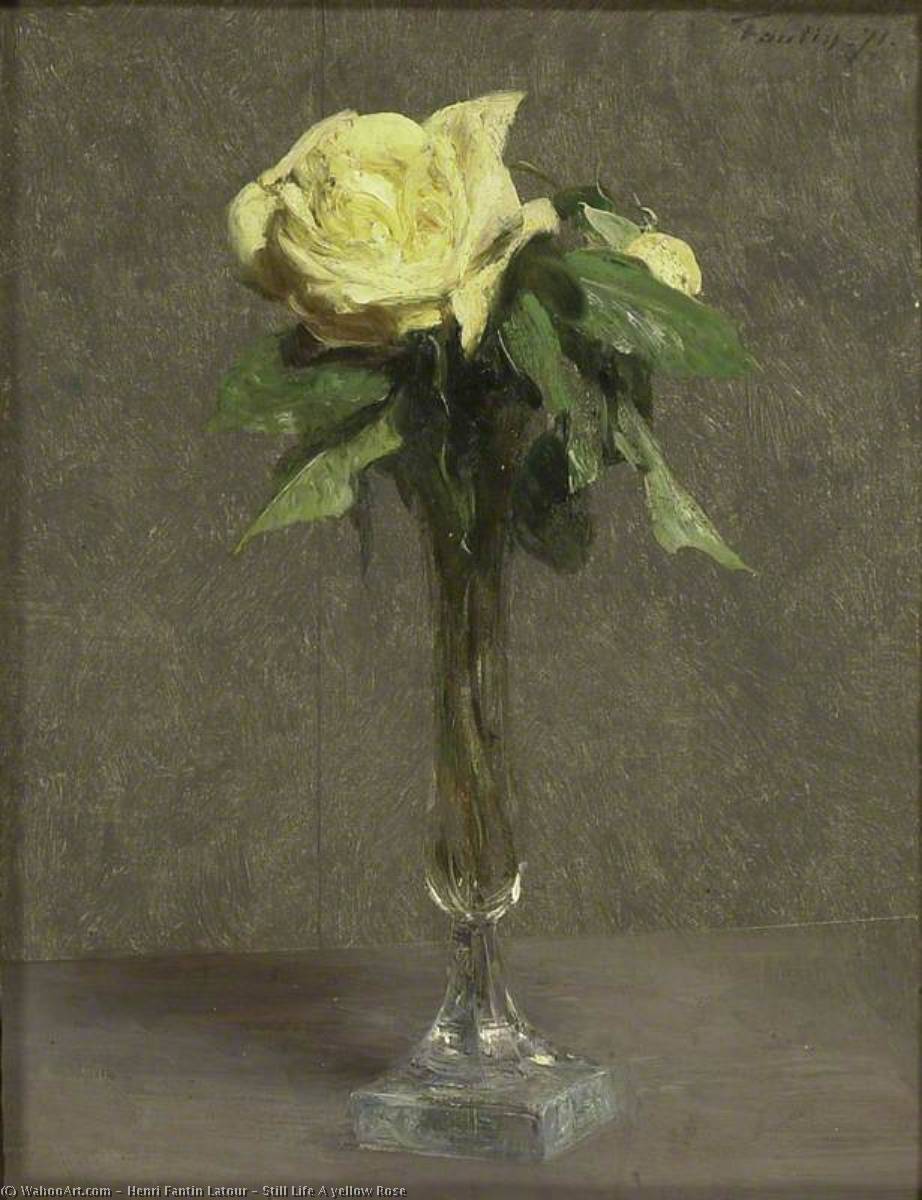
Still Life A yellow Rose
 Oil On Canvas
- WallArt
- Impressionistic Still Life
 1871
1871- 19th Century
 30.0 x 24.0 cm
 El Museo Ashmolean de Arte y Arqueología
 Ver más
Giclée / Impresión de arte
Impresiones giclée o en lienzo de calidad de museo con producción rápida y opciones de acabado flexibles. ( Comprar pintura hecha a mano Comprar imagen)




P118B $10

P118H $10

P118W $10

P438Z $10

P508JH $12

P508YH $12

P805H $10

P805Z $10

P919BZ $10

P919G $10

P919XJ $10

P959ZH $10

P968JZ $12

W106C $8

W218G $10

W218JH $8

W218Y $10

W307PJ $10

W316G $10

W316PJ $8

W316Y $10

W398PJ $8

W4111J $10

W500HY $15

W500JH $15

W692G $12

W849H $8

W940BG $15

W953PJ $8




Elija entre nuestros tamaños predefinidos que respetan las proporciones originales de la obra.

Puede introducir sus propias dimensiones para adaptarse a un marco o espacio específico. Si el tamaño seleccionado no coincide con las proporciones de la imagen original, recortaremos la obra de arte o extenderemos la imagen con un borde con efecto espejo o de color sólido. Se enviará una maqueta digital para su aprobación antes de que comience la producción.
Tenga en cuenta que la vista previa en pantalla no refleja el recorte o la extensión real. Solo la maqueta mostrará con precisión la composición final.
Aunque existen tamaños personalizados, recomendamos seleccionar una dimensión de la lista predefinida para preservar las proporciones originales.
Envío a todo el mundo () en 2 semanas en lugar de las 4/5 semanas estándar. (23 agosto)

Envío exprés gratuito a todo el mundo

Lienzo de lino de alta calidad

Seguro de envío total

Garantía de reembolso de impuestos aduaneros

Garantía de fidelidad cromática exacta

Política de devolución de 60 días (solo por defectos)

Garantía de devolución del 100% del dinero

Descuento por cantidad
 La opción de vidrio solo está disponible en tamaños inferiores a 110 cm.

Still Life A yellow Rose
Giclée / Impresión de arte
Dimensiones de la reproducción
-


Precio total final
$ 62
Descripción de la pieza
Still Life A Yellow Rose: An Impressionistic Ode to Fragility
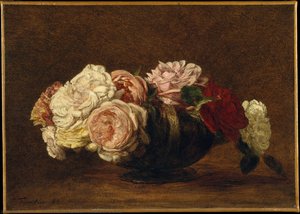
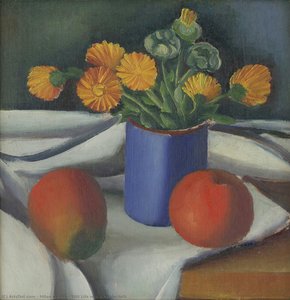
Henri Fantin-Latour’s “Still Life A Yellow Rose” transcends mere depiction; it embodies the very essence of Impressionism—a fleeting glimpse into beauty captured with immediacy and sensitivity. Painted in 1871, this exquisite piece exemplifies Fantin-Latour's masterful command of color and light, reflecting a profound connection to the natural world that was characteristic of his artistic vision. The painting’s subject matter is deceptively simple: a vase brimming with three radiant yellow roses against a muted backdrop of pale peach walls and a shadowed chair. Yet, within this understated composition lies a wealth of artistic nuance. Fantin-Latour's technique—primarily oil on canvas—demonstrates an unwavering dedication to capturing the ephemeral qualities of light and atmosphere. He eschewed traditional academic methods, prioritizing observation and direct representation over meticulous detail. Instead of striving for photographic accuracy, Fantin-Latour skillfully blended brushstrokes to create a luminous surface that vibrates with color. The artist’s careful layering of pigments—particularly yellows—creates an illusion of depth and warmth, drawing the viewer's eye into the heart of the floral arrangement. Notice how the light catches on the petals, highlighting their velvety texture and conveying a sense of delicate movement. The historical context surrounding “Still Life A Yellow Rose” is crucial to understanding its significance within the broader artistic landscape of the Belle Époque. Impressionism emerged as a reaction against the rigid conventions of academic painting—a deliberate rejection of idealized forms and polished surfaces in favor of capturing the sensory experience of everyday life. Fantin-Latour, alongside fellow Impressionists like Claude Monet and Pierre Auguste Renoir, sought to depict scenes from their immediate surroundings with honesty and spontaneity. This stylistic choice reflected a burgeoning interest in psychology and emotion, mirroring the philosophical currents of the time. Beyond its aesthetic qualities, “Still Life A Yellow Rose” carries symbolic weight. The yellow rose itself—often associated with joy, remembrance, and purity—represents an idealized beauty that is both transient and deeply cherished. Its placement within the vase symbolizes fragility and vulnerability, reminding us of the fleeting nature of life’s pleasures. Fantin-Latour's deliberate use of color contributes to this symbolic resonance, conveying a sense of warmth and optimism amidst the muted tones of the background. Victoria Fantin-Latour née Dubourg, Henri Fantin-Latour’s wife, was equally influential in shaping his artistic trajectory. Together they established a studio dedicated to floral painting—a genre that flourished during the Impressionist era—and collaborated on numerous projects showcasing their shared passion for capturing the beauty of flowers with unparalleled artistry. Their partnership exemplifies the spirit of collaboration and mutual inspiration that characterized the Belle Époque, cementing Fantin-Latour’s legacy as one of the foremost painters of his time.- Artist: Henri Fantin-Latour
- Year Painted: 1871
- Medium: Oil on Canvas
- Dimensions: 30 x 24 cm
Obras relacionadas
Biografía del artista
Primeros años y formación
Henri Fantin-Latour, un renombrado pintor y litógrafo francés, nació el 14 de enero de 1836 en Grenoble, Isère. De joven, recibió lecciones de dibujo de su padre, quien también era artista. En 1850, ingresó a la École de Dessin, donde estudió con Lecocq de Boisbaudran.Carrera artística
Tras estudiar en la École des Beaux-Arts de París desde 1854, Fantin-Latour dedicó mucho tiempo a copiar las obras de los maestros antiguos en el Museo del Louvre. Aunque se hizo amigo de varios jóvenes artistas que luego estarían asociados con el impresionismo, incluyendo Whistler y Manet, el propio trabajo de Fantin permaneció conservador en estilo.Obras destacadas y exposiciones
- Naturaleza muerta: amarillos, peras y promenades, 1873
- Jarrón de rosas, 1875
- La lectura, 1877, Musée des Beaux-Arts de Lyon
- Retrato de Charlotte Dubourg, 1882, París, Musée d'Orsay
Legado y vida posterior
En 1875, Henri Fantin-Latour se casó con una compañera pintora, Victoria Dubourg. Pasó sus veranos en la finca de campo de la familia de su esposa en Buré, Orne, en Normandía Baja, donde falleció el 25 de agosto de 1904. Fue enterrado en el Cimetière du Montparnasse, París, Francia.Simbolismo y realismo en el arte de Henri Fantin-Latour
El trabajo de Fantin-Latour, caracterizado por su estilo conservador, refleja la mezcla única del artista de influencias simbolistas y realistas. Sus pinturas de naturaleza muerta, como Naturaleza muerta con flores y fruta, 1865, muestran su dominio del color y la composición. Como figura destacada en la transición del realismo al impresionismo, el legado de Fantin-Latour continúa inspirando a artistas y entusiastas del arte por igual.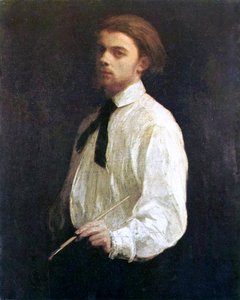
Henri Fantin-Latour
1836 - 1904 , Francia
Datos clave
- Artistas Influyentes:
- Jean-Baptiste Siméon Chardin
- Dutch Golden Age painting
- Estilo Artístico: Realismo y Simbolismo
- Fecha De Muerte: 25 de agosto de 1904
- Fecha De Nacimiento: 14 de enero de 1836
- Influenciado A Artistas: ['Impresionismo']
- Lugar De Nacimiento: Grenoble, Francia
- Nacionalidad: Francesa
- Nombre Completo: Henri Fantin-Latour
- Obras Notables:
- Primroses, Pears and Promenades
- Vase of Roses
- La Lecture
- Portrait de Charlotte Dubourg
Artículos relacionados
Henri Fantin-Latour: A Poetic Realism Between Still Life and the Parisian Avant-Garde
Explore the captivating world of Henri Fantin-Latour, a master of still life and portraiture. Discover his unique blend of Realism & Symbolism, Parisian connections, and enduring legacy with ArtsDot.
Los 10 cuadros más famosos dominados por el ocre amarillo: Arte y decoración atemporal
Descubre los 10 cuadros más famosos con tonos ocres amarillos. Explora la historia de Van Gogh, Monet y otros artistas clave del impresionismo y postimpresionismo. Encuentra reproducciones de arte de museo en .
Los 10 cuadros más famosos dominados por el 'amarillo cromo': Arte y decoración
Descubre los 10 cuadros más emblemáticos dominados por el 'amarillo cromo': Van Gogh, Monet y otros maestros. Historia del arte, técnicas y decoración con lienzos impresionistas. ¡Explora la colección completa en ArtsDot.com!
Silent Narratives: Exploring the Enduring Appeal of Still Life Painting Across Centuries
Explore the rich history of still life painting with ArtsDot. Discover Dutch Masters, decode vanitas symbolism & learn about collecting timeless art. Expert insights and museum-quality reproductions.

Renoir: Las 25 Obras Maestras del Impresionismo para Decorar tu Hogar con Arte
Descubre las 25 obras maestras de Renoir, el rey del impresionismo. Explora su técnica, historia y significado en cada pintura. Encuentra reproducciones de arte de alta calidad para decorar tu hogar con ArtsDot.com.