 Ver en contexto
 Enviar
 Compartir
 Detalles

 Descargar
 Similares
 Radiografía
 Presentación de diapositivas
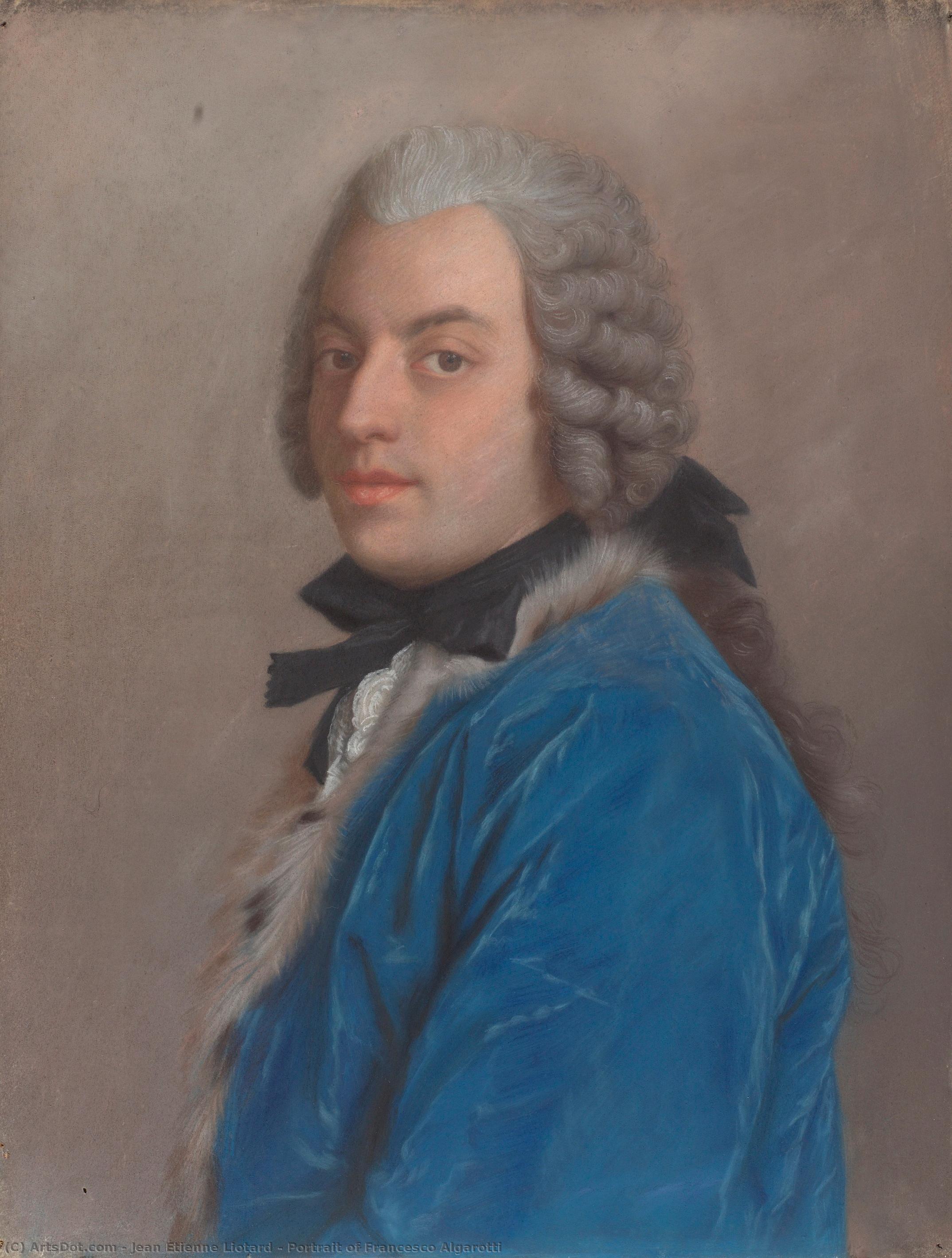
Portrait of Francesco Algarotti


 Ver más
Giclée / Impresión de arte
Impresiones giclée o en lienzo de calidad de museo con producción rápida y opciones de acabado flexibles. ( Comprar pintura hecha a mano Comprar imagen)




P118B $10

P118H $10

P118W $10

P438Z $10

P508JH $12

P508YH $12

P805H $10

P805Z $10

P919BZ $10

P919G $10

P919XJ $10

P959ZH $10

P968JZ $12

W106C $8

W218G $10

W218JH $8

W218Y $10

W307PJ $10

W316G $10

W316PJ $8

W316Y $10

W398PJ $8

W4111J $10

W500HY $15

W500JH $15

W692G $12

W849H $8

W940BG $15

W953PJ $8




Elija entre nuestros tamaños predefinidos que respetan las proporciones originales de la obra.

Puede introducir sus propias dimensiones para adaptarse a un marco o espacio específico. Si el tamaño seleccionado no coincide con las proporciones de la imagen original, recortaremos la obra de arte o extenderemos la imagen con un borde con efecto espejo o de color sólido. Se enviará una maqueta digital para su aprobación antes de que comience la producción.
Tenga en cuenta que la vista previa en pantalla no refleja el recorte o la extensión real. Solo la maqueta mostrará con precisión la composición final.
Aunque existen tamaños personalizados, recomendamos seleccionar una dimensión de la lista predefinida para preservar las proporciones originales.
Envío a todo el mundo () en 2 semanas en lugar de las 4/5 semanas estándar. (28 agosto)

Envío exprés gratuito a todo el mundo

Lienzo de lino de alta calidad

Seguro de envío total

Garantía de reembolso de impuestos aduaneros

Garantía de fidelidad cromática exacta

Política de devolución de 60 días (solo por defectos)

Garantía de devolución del 100% del dinero

Descuento por cantidad
 La opción de vidrio solo está disponible en tamaños inferiores a 110 cm.

Portrait of Francesco Algarotti
Giclée / Impresión de arte
Dimensiones de la reproducción
-


Precio total final
$ 62
Portrait of Francesco Algarotti – A Window into Enlightenment
Jean-Étienne Liotard’s “Portrait of Francesco Algarotti” is more than just a likeness; it's a meticulously crafted window into the vibrant intellectual and artistic landscape of 18th-century Europe. Completed in 1745, this pastel masterpiece transcends mere portraiture, offering a glimpse into the world of a leading art critic, philosopher, and literary celebrity – a man who embodied the spirit of the Enlightenment itself. The painting captures Algarotti not as a static subject, but as an animated presence, radiating intelligence and charm from his slightly raised eyebrow and engaging gaze.
Liotard’s genius lies in his masterful manipulation of pastel, a medium he elevated to unprecedented heights. Unlike the often-stiff formality of oil portraits prevalent at the time, Liotard employs a remarkably fluid and luminous technique. The colors are applied with delicate layers, creating an astonishing sense of depth and texture – one can almost feel the softness of Algarotti’s coat and the sheen of his hair. The subtle gradations of tone, achieved through countless overlapping strokes, give the portrait an ethereal quality, as if illuminated from within. This technique was influenced by his time in Constantinople where he studied the works of oriental artists.
A Man of Letters and a Patron of Art
Francesco Algarotti’s significance extends far beyond his captivating appearance. He was a pivotal figure in the European intellectual scene, a renowned art critic whose discerning eye shaped artistic tastes and influenced generations of artists. His salon in Venice became a gathering place for leading thinkers – Voltaire, Diderot, and others – where ideas were debated, and new artistic trends were explored. The portrait itself reflects this role; it’s not simply a representation of Algarotti, but an invitation to engage with his mind and intellect.
The painting's context is crucial to understanding its full impact. Created during the Rococo period, “Portrait of Francesco Algarotti” embodies the era’s fascination with elegance, wit, and refined sensibility. However, Liotard departs from the typical Rococo conventions by presenting a subject who appears remarkably thoughtful and engaged – a departure from the often-frivolous depictions favored at the time. The inclusion of a book subtly reinforces Algarotti's intellectual pursuits, suggesting that his beauty is matched by his erudition.
Symbolism and the Pursuit of Naturalism
Beyond its technical brilliance, the portrait is rich in symbolic detail. The carefully chosen attire – a blue coat with a black bow tie – speaks to Algarotti’s status as a cultured gentleman. The lighting, diffused and soft, creates an atmosphere of intimacy and invites the viewer into the scene. Liotard's deliberate use of light and shadow not only enhances the portrait's visual appeal but also serves to emphasize Algarotti's features and create a sense of depth and volume.
Notably, Liotard’s approach aligns with his broader philosophical beliefs, as articulated in his “Treatise on the Principles and Rules of Painting.” He championed the idea that art should accurately reflect nature, rejecting the stylized conventions of earlier artistic traditions. “Portrait of Francesco Algarotti” exemplifies this commitment to naturalism – it is a remarkably realistic depiction of a man, capturing not just his physical appearance but also his personality and intellect. The painting resides in the Rijksmuseum in Amsterdam, a testament to its enduring value and historical significance.
A Timeless Masterpiece for Today
“Portrait of Francesco Algarotti” remains a captivating work of art, offering viewers a glimpse into a fascinating era and a remarkable individual. Its exquisite detail, luminous colors, and subtle symbolism combine to create an image that is both visually stunning and intellectually stimulating. Whether admired as a historical document or simply appreciated for its artistic merit, this pastel portrait continues to resonate with audiences today – a timeless reminder of the power of art to capture beauty, intellect, and the human spirit.
Obras relacionadas

Biografía del artista
Jean-Étienne Liotard (1702–1789)
Jean-Étienne Liotard, a Genevan painter, art connoisseur, and dealer, was born on December 22, 1702, in Geneva, Switzerland. His parents, French Protestants, had fled to Geneva after 1685. Liotard’s artistic journey began under the guidance of professors Daniel Gardelle and Petitot, whose enamels and miniatures he skillfully replicated. These formative influences instilled a meticulous attention to detail that would characterize his entire oeuvre.Early Life and Training
Liotard received an exceptional education for his time, focusing on both painting techniques – particularly enamel work and miniature painting – and the study of classical art history. He honed his skills under the tutelage of Gardelle and Petitot, mastering the intricacies of these mediums and absorbing the stylistic principles of the Baroque era. This rigorous training laid the foundation for his later success as a portraitist and pastel artist.Artistic Career: Travels and Patronage
Liotard embarked on extensive travels throughout Europe – Paris, Rome, Constantinople (Istanbul), Vienna – establishing himself as one of the most sought-after painters of his generation. His portraits commanded considerable prestige among aristocratic circles, securing him lucrative commissions and cementing his reputation as a master craftsman. Notably, he served as painter to Emperor Joseph II in Vienna, gaining access to royal courts and influencing artistic tastes across Central Europe. He cultivated relationships with influential collectors and patrons who recognized the exceptional quality of his work.Notable Works and Style
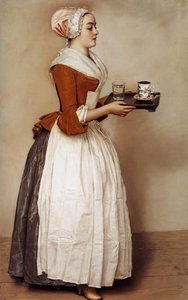
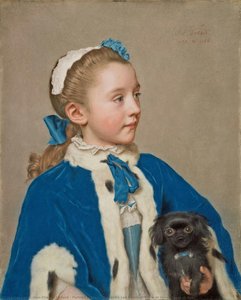
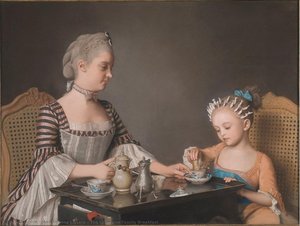
Liotard’s distinctive style is primarily defined by his mastery of pastel – a medium he embraced wholeheartedly and elevated to new heights of expressive subtlety. His canvases shimmer with delicate hues and luminous textures, capturing fleeting moments of beauty with remarkable precision. Among his most celebrated paintings are *Dutch Girl at Breakfast*, a masterful depiction of domestic tranquility; *La Liseuse, The Chocolate Girl*, an exquisitely rendered portrait conveying grace and contemplation; and *Maria Frederike van Reede-Athlone at Seven*, showcasing Liotard’s ability to convey psychological depth through naturalistic observation. His meticulous attention to detail—particularly in capturing the nuances of facial expression—established him as a pioneer of psychological realism within his era. Furthermore, he was an avid collector of antiquities and artworks from antiquity and Renaissance, which profoundly impacted his artistic vision and informed his stylistic choices.Legacy and Influence
Jean-Étienne Liotard’s legacy extends beyond his impressive body of work. He championed the importance of drawing as a fundamental element of painting, advocating for clarity, firmness, fluidity, delicacy, and truthfulness—principles that resonated deeply with fellow artists of his time. His treatise *Traité des principes et des règles de la peinture* (1781) remains a seminal text on artistic technique and aesthetic philosophy. Liotard died in Geneva in June 12, 1789, leaving behind an enduring contribution to European art history—a testament to the power of observation, meticulous craftsmanship, and unwavering devotion to artistic excellence. He is remembered as one of the foremost pastel artists of his era and a champion of classical ideals within the burgeoning Romantic movement.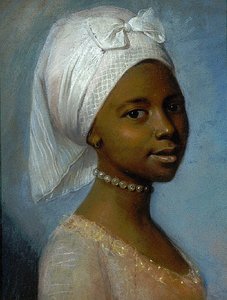
Jean-Étienne Liotard
1702 - 1789 , Suiza
Datos clave
- Artistic Movement Or Style: Pastoralism
- Artists Or Movements Influenced By This Artist:
- Jean Baptiste Massé
- François Lemoyne
- Artists Who Influenced This Artist:
- Daniel Gardelle
- Petitot
- Date Of Birth: December 22, 1702
- Date Of Death: June 12, 1789
- Full Name: Jean-Étienne Liotard
- Nationality: Swiss
- Notable Artworks:
- Dutch Girl at Breakfast
- La Liseuse, The Chocolate Girl
- Maria Frederike van Reede-Athlone at Seven
- Place Of Birth: Geneva, Switzerland
Artículos relacionados
The Subdued Radiance of Pastel: Exploring Nuance & Emotion in Art
Explore the nuanced world of pastel art! Discover its history, techniques & emotional power with expert insights from ArtsDot.com. Find museum-quality reproductions and learn about collecting this delicate medium.

Rococó: 10 Obras Maestras que Definieron una Época | Arte y Decoración en
Descubre las 10 obras maestras del Rococó que marcaron una época. Explora la elegancia de Fragonard, Boucher y Watteau en . Reproducciones de arte de calidad museo para decorar tu hogar con estilo.

La Estética Rococó: Opulencia, Rebelión y Placer en el Arte del Siglo XVIII
Descubre la fascinante estética rococó: su historia, características clave y los artistas más influyentes del siglo XVIII. Un análisis profundo para amantes del arte y coleccionistas.
Jean-Étienne Liotard: Rococo Portraiture & the Pursuit of Naturalism
Explore the exquisite Rococo portraits of Jean-Étienne Liotard, a master of pastel and enamel. Discover his innovative techniques, captivating Turkish scenes, and lasting influence on art history. Learn more at ArtsDot.
La Sutileza del Pastel: Técnica, Historia y Resonancia Emocional en el Arte
Descubre la sutileza del pastel: técnica, historia y artistas clave como Degas y Renoir. Guías expertas sobre materiales, conservación y cómo expresar emociones a través de este bello arte.