

 Vista previa
 Compartir
 Compartir
 Ver detalles

 Descargar
 Ver similares
 Radiografía
 Presentación de diapositivas
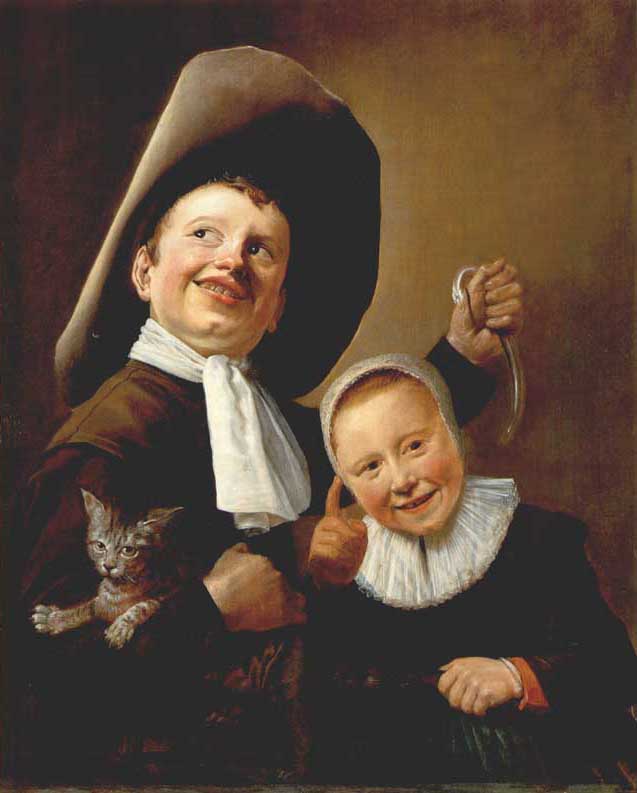
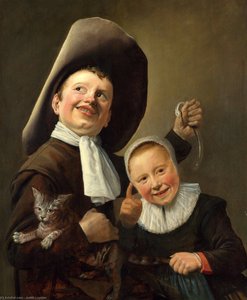
A Boy and a Girl with a Cat and an Eel
 Oil On Canvas
- WallArt
- Dutch Golden Age
 59.0 x 49.0 cm
 Galería Nacional
 Leer más
Adquiera una imagen digital de alta resolución y optimizada, muy superior a la vista previa en línea.
Cada archivo es preparado meticulosamente por nuestros especialistas internos mediante el uso de herramientas avanzadas y un experto retoque manual. Nos aseguramos de que cada imagen posea una claridad excepcional, una precisión cromática impecable y un detalle minucioso.
El archivo final se entrega por correo electrónico en un plazo de 72 horas, optimizado para su uso inmediato en entornos profesionales, editoriales y de impresión. Esta es la misma calidad en la que confían los estudios de diseño, las editoriales y las galerías de primer nivel.
Imagen Digital
Descarga un archivo de alta resolución para exhibición personal, impresión y proyectos creativos. ( Pedir impresión Encargar reproducción pintada a mano)
Incluido en cada compra de imágenes digitales
Entrega digital experta, garantizada.
Al elegir ArtsDot.com, no solo está adquiriendo una imagen; está recibiendo una obra de arte digital mejorada profesionalmente, elaborada con precisión y respaldada por una garantía de satisfacción. Esto es todo lo que incluye su pedido, automáticamente:

Entrega rápida por email
Recibirá su archivo de imagen digital en alta resolución por correo electrónico en un plazo de 72 horas tras realizar su pedido, listo para su uso inmediato.

Archivo digital optimizado por IA
Su obra de arte se optimiza profesionalmente mediante herramientas avanzadas de IA y edición manual, garantizando el máximo detalle, claridad y precisión cromática.

Reenvío gratuito de por vida
¿Has borrado o perdido tu archivo por error? No te preocupes: te lo volveremos a enviar en cualquier momento, sin coste adicional.

Sin gastos de importación, siempre
Disfrute de su obra de arte al instante sin aduanas, aranceles ni gastos de envío; las descargas digitales siempre están libres de impuestos.

Garantía de precisión de color
Garantizamos que su imagen digital refleje los colores originales con la mayor fidelidad posible, mediante el uso de herramientas profesionales y gestión del color.

Garantía de satisfacción de 60 días
Si no está satisfecho con su imagen digital, la revisaremos o le reembolsaremos el 100% en un plazo de 60 días, sin preguntas.

100% Garantía de devolución de dinero
¿No está satisfecho? Obtenga un reembolso completo dentro de los 60 días posteriores a la recepción de su archivo digital, sin necesidad de explicaciones.

Descuentos por volumen
Compra 3 imágenes, ahorra 10% - Compra 5, ahorra 15% - Compra 10+, ahorra 20%. Ideal para proyectos creativos, galerías y agencias.
Descripción del coleccionable
A Glimpse of Dutch Life: "A Boy and a Girl with a Cat and an Eel" by Judith Leyster
Judith Jans Leyster’s “A Boy and a Girl with a Cat and an Eel,” painted circa 1635, is more than just a charming domestic scene; it's a captivating window into the vibrant world of 17th-century Holland. This seemingly simple portrayal of children interacting with animals and a curious eel offers a rich tapestry of social commentary, playful mischief, and subtle artistic brilliance that continues to intrigue art historians and collectors alike. Housed within the National Gallery in London, the painting’s diminutive size – measuring just 59 x 49 cm – belies the depth of its narrative and the meticulous detail with which Leyster rendered her subjects.
Leyster's style is immediately recognizable as a masterful blend of realism and a distinctly Dutch sensibility. She eschews the rigid formality often associated with courtly portraiture, opting instead for a relaxed, almost spontaneous approach. The figures are depicted in natural poses, engaging in everyday activities—a boy gesturing towards something unseen, a girl playfully directing her finger – creating an immediate sense of intimacy and immediacy. Her use of light is particularly noteworthy; it’s diffused and warm, bathing the scene in a gentle glow that emphasizes the textures of fabrics, fur, and skin. This masterful manipulation of chiaroscuro adds depth and drama to the composition, drawing the viewer's eye to the central figures while subtly hinting at the underlying narrative.
Decoding the Symbols: A Tapestry of Dutch Proverbs
The painting’s enduring appeal lies partly in its layered symbolism. Beyond the immediate depiction of children and animals, Leyster cleverly incorporates elements rooted in Dutch folklore and proverbs. The eel itself is a particularly intriguing symbol; it's often interpreted as representing a “cat-eel,” a term used to describe a cat that has been lured into a trap – a metaphor for someone who has become entangled in a difficult situation. The boy’s gesture, pointing towards something off-canvas, has fueled considerable debate among scholars. Some suggest it alludes to the proverb "Een aal bij de staart hebben," meaning “to hold an eel by the tail,” implying a precarious grasp on something that is slipping away. Others propose connections to kermis games involving cats and eels, reflecting popular entertainment of the time.
The girl’s finger-wagging adds another layer of complexity. It's not simply a reprimand; it suggests a playful challenge or perhaps even a warning. Her expression is ambiguous, inviting viewers to interpret her intentions – is she playfully teasing her brother, or subtly hinting at mischief? This ambiguity is characteristic of Leyster’s work and contributes significantly to the painting’s enduring fascination.
A Pioneer in a Male-Dominated World
Judith Jans Leyster's life and career were remarkable for their time. Born in Haarlem in 1609, she navigated a predominantly male art world, becoming one of the first female artists to be admitted to the St. Luke’s Guild – a significant achievement that underscored her talent and dedication. Despite facing considerable challenges and often being overshadowed by her male counterparts, Leyster produced a prolific body of work encompassing portraits, genre scenes, still lifes, and even illustrations for books. Her rediscovery in 1893 after decades of obscurity is a testament to the enduring value of her art and a reminder that artistic merit transcends gender.
The Enduring Appeal: A Masterpiece of Dutch Genre Painting
"A Boy and a Girl with a Cat and an Eel" remains a powerful example of Dutch Golden Age genre painting. It’s not merely a depiction of childhood; it's a nuanced exploration of human interaction, social customs, and the subtle complexities of everyday life. Leyster’s masterful technique, combined with her insightful use of symbolism, creates a work that is both visually stunning and intellectually stimulating. Reproductions of this captivating painting continue to resonate with art lovers today, offering a glimpse into a bygone era and reminding us of the enduring power of art to illuminate the human experience.
Obras relacionadas

Biografía del artista
Primeros años y formación
Judith Jans Leyster, una pintora pionera, nació en julio de 1609 en Haarlem, Países Bajos. Fue la octava hija de Jan Willemsz Leyster, un fabricante de telas que más tarde se dedicó a la elaboración de cerveza. Aunque su formación no está bien documentada, se cree que aprendió pintura de Frans Pietersz de Grebber, un respetado artista con un taller en Haarlem.Carrera artística
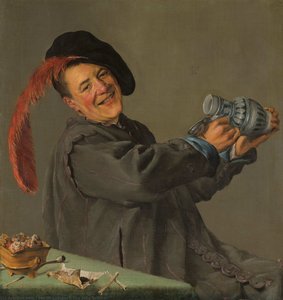
Los primeros trabajos firmados conocidos de Leyster, Serenade y Jolly Topper, datan de 1629, cuando ella tenía tan solo veinte años. Para 1633, se convirtió en miembro del gremio de San Lucas de Haarlem, lo que la convirtió en una de las primeras artistas femeninas en formar parte de esta prestigiosa organización.Obras notables y colaboraciones
Entre las obras más destacadas de Leyster se encuentran:- El autorretrato (c. 1633), ahora en la National Gallery of Art, Washington, D.C., que pudo haber sido su pieza de presentación ante el gremio.
- Dos ilustraciones en un libro sobre tulipanes de 1643, que muestran su versatilidad.
- Un retrato de 1652 y un bodegón de 1654, descubiertos en una colección privada en el siglo XXI, demuestran su perdurable habilidad.
Legado y redescubrimiento
A pesar de haber sido muy apreciada por sus contemporáneos, la obra de Leyster fue en gran medida olvidada tras su muerte en 1660. No fue hasta 1893 que fue redescubierta, y los académicos comenzaron a atribuir correctamente sus obras. Hoy en día, sus pinturas son reconocidas como contribuciones significativas al Siglo de Oro neerlandés.- Explore más obras de Leyster en ArtsDot.com.
- Conozca sobre el Siglo de Oro neerlandés y sus artistas notables en Wikipedia.
- Descubra otras artistas femeninas de la época en la página del movimiento artístico del Siglo de Oro neerlandés.
Conclusión
La carrera pionera de Judith Jans Leyster como pintora en los Países Bajos del siglo XVII ha dejado una marca indeleble en la historia del arte. Su redescubrimiento y reconocimiento sirven como testimonio de su talento perdurable y de la percepción cambiante de las mujeres en el mundo del arte. Nombre del museo: National Gallery of Art, Washington, D.C.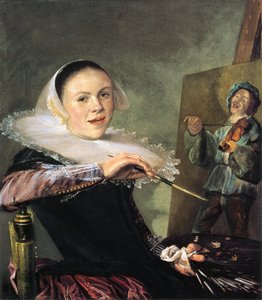
Judith Jans Leyster
1609 - 1660 , Países Bajos
Datos clave
- Artistic Movement Or Style: Siglo de Oro neerlandés
- Artists Or Movements Influenced By This Artist: ['Caravaggisti']
- Artists Who Influenced This Artist:
- Frans Pietersz de Grebber
- Jan Miense Molenaer
- Date Of Birth: Julio 28, 1609
- Full Name: Judith Jans Leyster
- Nationality: Holandesa
- Notable Artworks:
- Serenade
- Jolly Topper
- Retrato
- Place Of Birth: Haarlem, Netherlands

