

 Ver en contexto
 Enviar
 Compartir
 Detalles

 Descargar
 Similares
 Radiografía
 Presentación de diapositivas
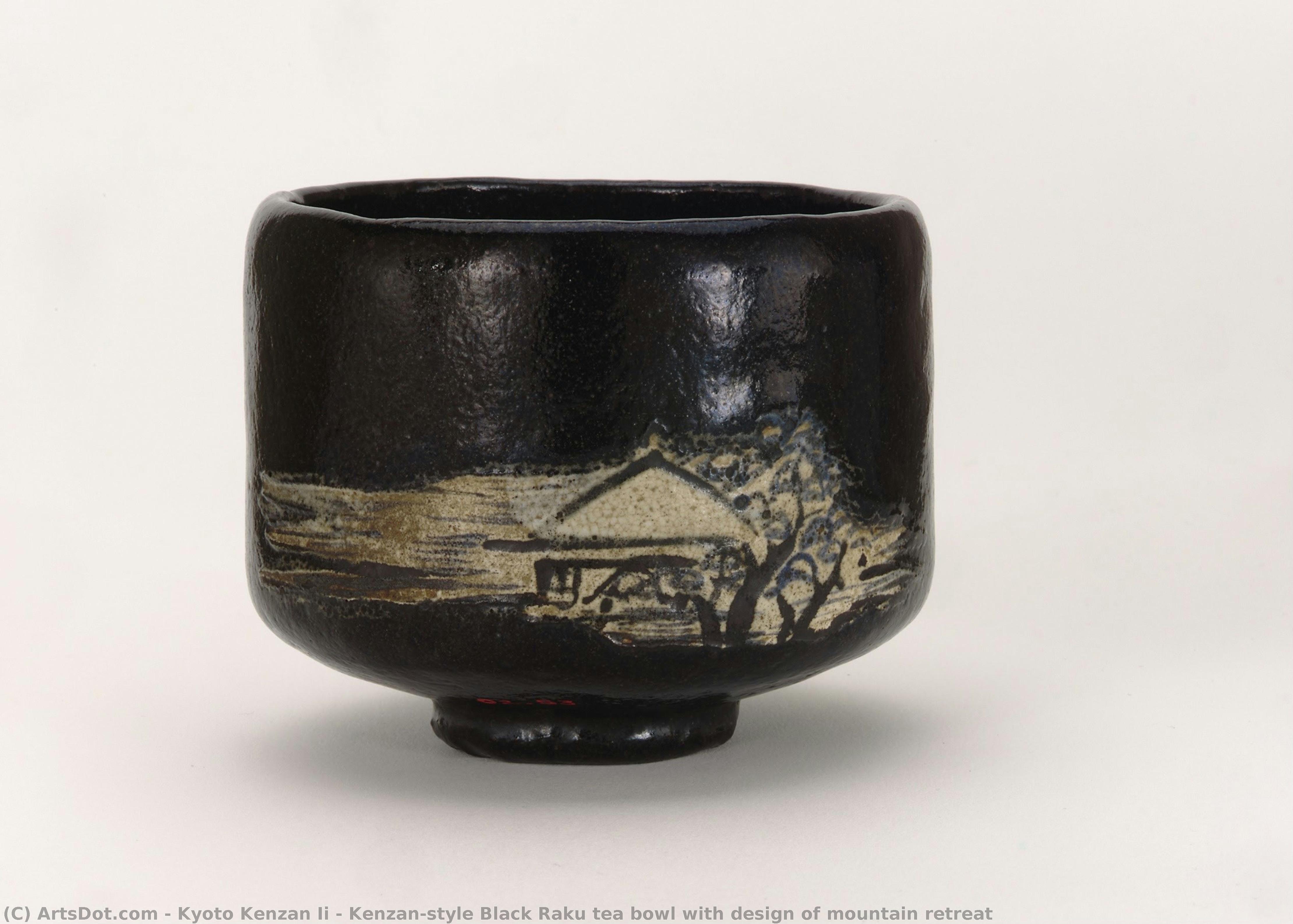
Kenzan-style Black Raku tea bowl with design of mountain retreat


 Ver más
Reproducción al óleo hecha a mano
Óleo sobre lienzo pintado a mano en el tamaño y marco de su elección, realizado por encargo por nuestros artistas. ( Comprar impresión Comprar imagen)




































Elija entre nuestros tamaños predefinidos que respetan las proporciones originales de la obra.

Puede ingresar sus propias dimensiones para adaptarse a un marco o espacio específico. Si el tamaño seleccionado no coincide con las proporciones de la imagen original, recortaremos la obra o extenderemos la pintura con elementos adicionales pintados a mano. Se le enviará una maqueta digital para su aprobación antes de comenzar la producción.
Tenga en cuenta que la vista previa en pantalla no refleja el recorte o la extensión reales. Solo la maqueta mostrará con precisión la composición final.
Si bien existen tamaños personalizados, recomendamos seleccionar una dimensión de la lista predefinida para preservar las proporciones originales.
Tras realizar el pedido, el equipo de ArtsDot.com enviará un correo electrónico al cliente para solicitar instrucciones y proporcionarle una vista previa del boceto.
Envío a todo el mundo () en 3-4 semanas en lugar de las 5 semanas estándar. (4 septiembre). Sin comprometer la calidad.

Envío exprés gratuito a todo el mundo

Lienzo de lino de alta calidad

Seguro de envío total

Garantía de reembolso de impuestos aduaneros

Garantía de fidelidad cromática exacta

Política de devolución de 60 días (solo por defectos)

Garantía de devolución del 100% del dinero

Descuento por cantidad
 La opción de vidrio solo está disponible en tamaños inferiores a 110 cm.

Kenzan-style Black Raku tea bowl with design of mountain retreat
Técnica de reproducción
Dimensiones de la reproducción
-


Precio total final
$ 263
Obras relacionadas
Biografía del artista
Kyoto Kenzan II (Ogata Ihachi): Echoes of Longevity in Ceramic Landscapes
Kyoto Kenzan II, born Ogata Ihachi around 1720 in Kyoto, Japan, stands as a pivotal figure within Edo period ceramics—a legacy inextricably linked to his predecessor, Ogata Kenzan. While Kenzan’s father was a renowned painter, Ihachi embraced the craft of pottery, inheriting and refining Kenzan's distinctive style, known as Kenzan Style or Rimpa School. This artistic lineage ensured that Ihachi’s creations would continue to resonate with themes of harmony and enduring beauty for generations to come—a testament to the enduring power of tradition within Japanese art history. Early Life & Training: Ihachi received a robust education encompassing Confucian scholarship and calligraphy alongside the foundational principles of Zen Buddhism—influences profoundly shaping his worldview and artistic sensibilities. His formative years were spent absorbing the traditions of Kyoto’s elite, fostering an appreciation for refined aesthetics that would permeate his subsequent work. This upbringing instilled in him not only intellectual rigor but also a deep understanding of Japanese cosmological beliefs, which would become central to his artistic vision. The Kenzan Style: Ihachi's artistic vision centered on the Kenzan Style, characterized by bold graphic patterns—primarily depictions of auspicious plants like pine and bamboo—combined with stylized mountain landscapes. These motifs weren’t merely decorative; they embodied deeply ingrained beliefs about longevity, renewal, and the cyclical nature of existence – core tenets of Japanese cosmology and profoundly impacting Ihachi's artistic choices. The deliberate selection of these symbols reflected a desire to capture the essence of Zen philosophy: simplicity, balance, and contemplation—values that would become hallmarks of his ceramic oeuvre. Technique & Innovation: Ihachi skillfully employed Raku ware techniques—known for their unpredictable glaze effects—to achieve remarkable textural contrasts and luminous colors. He meticulously crafted vessels with exceptional precision, demonstrating mastery over the kiln firing process and elevating Kenzan Style pottery to new heights of artistic expression. This dedication to craftsmanship ensured that each piece possessed a unique character, reflecting the inherent spontaneity of the Raku method while maintaining an unwavering commitment to aesthetic excellence. His innovative approach solidified Ihachi’s reputation as one of the most accomplished ceramic artists of his era. Notable Works & Recognition: Ihachi’s oeuvre includes celebrated pieces such as hexagonal plates adorned with Jurōjin imagery—a symbol of immortality—and serene landscapes capturing the grandeur of Mount Fuji. These works are housed in prestigious museums worldwide, including the Metropolitan Museum of Art in New York and the National Museum of Asian Art in Washington, D.C., cementing Ihachi’s place as a cornerstone of Japanese ceramic art history. Furthermore, his scrolls depicting cedar groves—a motif symbolizing resilience and spiritual enlightenment—are considered masterpieces of Kenzan Style painting, demonstrating Ihachi's versatility as an artist across multiple mediums. Legacy & Influence: Ihachi's influence extends beyond his own creations; he fostered a continuing tradition within Kenzan Style pottery, ensuring that his artistic vision persisted into the 20th century and continues to inspire contemporary ceramic artists. His enduring aesthetic—characterized by simplicity, elegance, and symbolic representation—remains a testament to the power of art to convey profound spiritual values. He is remembered not only for his technical prowess but also for his unwavering devotion to capturing the beauty and wisdom inherent in the natural world – a legacy that continues to resonate within the artistic landscape today. Sources: Britannica Biographical Dictionary; Suntory Museum of Art Exhibition Catalog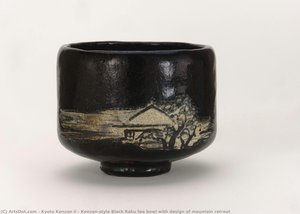
Ogata Ihachi
Japón
Datos clave
- Artistic Movement Or Style: Raku ware
- Artists Or Movements Influenced By This Artist: ['Rimpa School']
- Artists Who Influenced This Artist:
- Ogata Kenzan
- Ninsei
- Date Of Birth: Kyoto, Japón
- Date Of Death: (Living)
- Full Name: Ogata Ihachi
- Nationality: Japonés
- Notable Artworks:
- Jurōjin Plate
- Hexagonal Plates
- Cedar Grove Plate
- Place Of Birth: Kyoto
Artículos relacionados
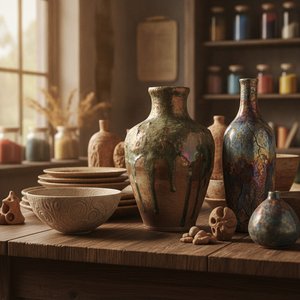
The Alchemy of Clay: A Collector's Guide to the Mastery, Texture, and Timeless Form of Ceramic Art
Discover the profound beauty of ceramic art. Our expert guide explores the alchemy of clay, texture, and glaze, offering collectors deep insights into mastering earth and fire to create timeless, sculptural masterpieces for any curated collection.
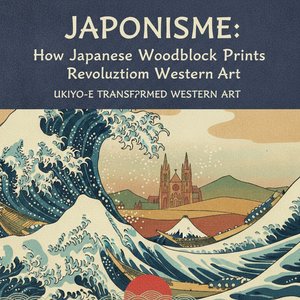
Japonisme: How Japanese Woodblock Prints Revolutionized Western Art
Explore the profound impact of Japonisme on Western art. Discover how Japanese ukiyo-e woodblock prints revolutionized perspective, color, and composition for masters like Monet and Van Gogh, forever changing the course of modern art history.
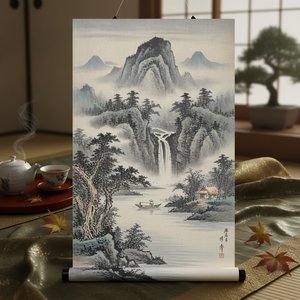
Serenity on Canvas: A Guide to the Timeless Beauty of Japanese Landscape Painting
Discover the serene beauty of Japanese landscape painting. From Hokusai's iconic woodblock prints to meditative sumi-e ink washes, explore a visual journey through the 'floating world' and learn how to bring this timeless Zen aesthetic into your modern home decor.

Katsushika Hokusai: Las 25 Obras Maestras del Ukiyo-e que Transformaron el Arte Japonés | ArtsDot
Descubre las 25 obras maestras de Katsushika Hokusai, el genio del ukiyo-e. Explora 'La Gran Ola', paisajes japoneses y su impacto en el arte moderno. Reproducciones de alta calidad para tu hogar en ArtsDot.com.
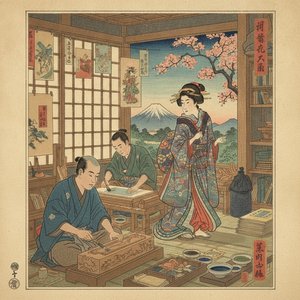
Floating World: The Captivating Art and Legacy of Japanese Ukiyo-e
Explore the profound beauty of Japanese Ukiyo-e. Discover the history, masters like Hokusai, and the enduring legacy of the 'Floating World' through an expert art-historical lens.

