

 Ver en contexto
 Enviar
 Compartir
 Detalles

 Descargar
 Similares
 Radiografía
 Presentación de diapositivas
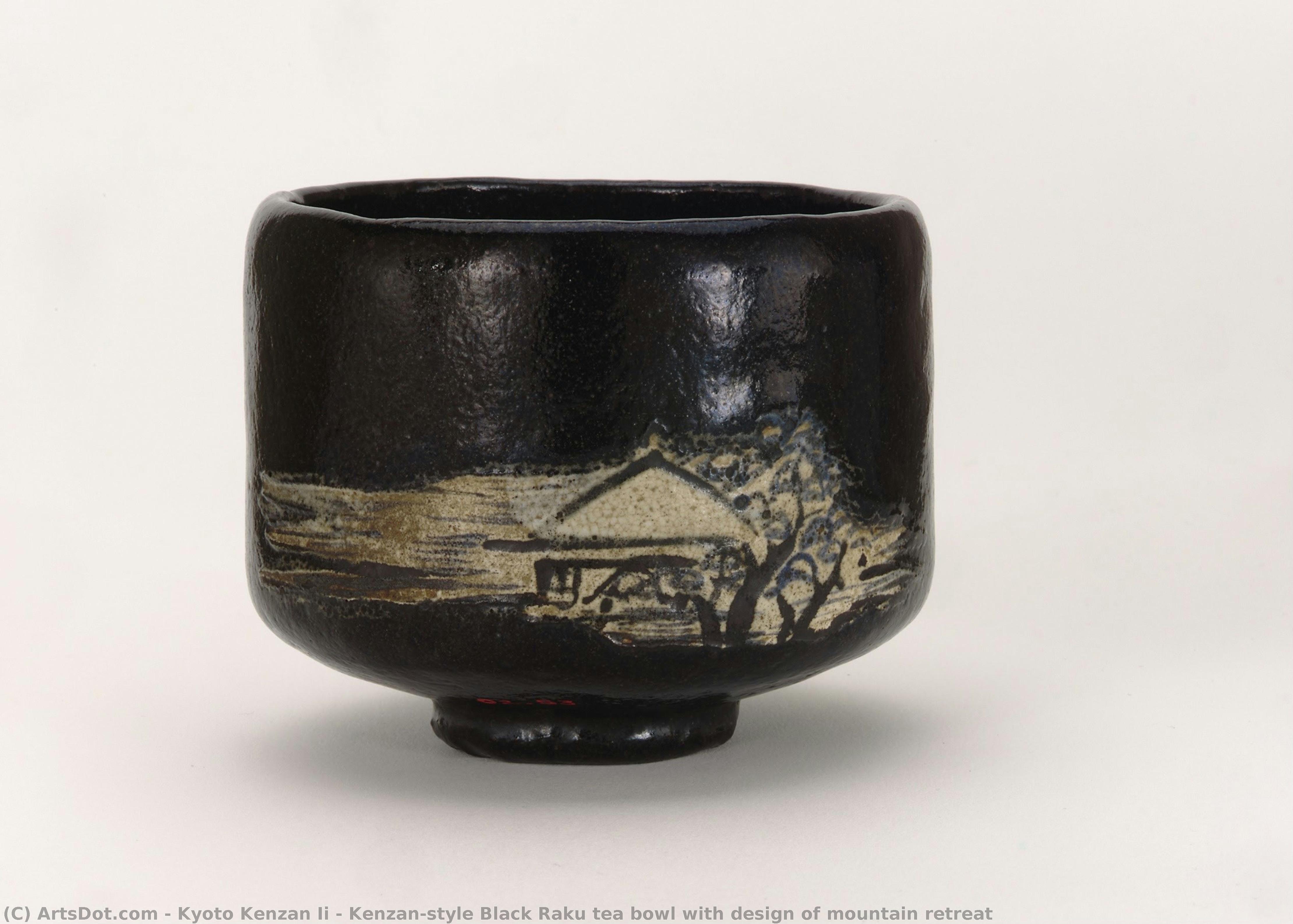
Kenzan-style Black Raku tea bowl with design of mountain retreat


 Ver más
Adquiera una imagen digital de alta resolución y optimizada, muy superior a la vista previa en línea.
Cada archivo es preparado meticulosamente por nuestros especialistas internos mediante el uso de herramientas avanzadas y un experto retoque manual. Nos aseguramos de que cada imagen posea una claridad excepcional, una precisión cromática impecable y un detalle minucioso.
El archivo final se entrega por correo electrónico en un plazo de 72 horas, optimizado para su uso inmediato en entornos profesionales, editoriales y de impresión. Esta es la misma calidad en la que confían los estudios de diseño, las editoriales y las galerías de primer nivel.
Imagen Digital
Descarga un archivo de alta resolución para exhibición personal, impresión y proyectos creativos. ( Comprar impresión Comprar pintura hecha a mano)
Incluido en cada pedido de imágenes digitales
Entrega digital experta, garantizada.
Al elegir ArtsDot.com, no solo está adquiriendo una imagen; está recibiendo una obra de arte digital mejorada profesionalmente, elaborada con precisión y respaldada por una garantía de satisfacción. Esto es todo lo que incluye su pedido, automáticamente:

Entrega rápida por email
Recibirá su archivo de imagen digital en alta resolución por correo electrónico en un plazo de 72 horas tras realizar su pedido, listo para su uso inmediato.

Archivo digital optimizado por IA
Su obra de arte se optimiza profesionalmente mediante herramientas avanzadas de IA y edición manual, garantizando el máximo detalle, claridad y precisión cromática.

Reenvío gratuito de por vida
¿Has borrado o perdido tu archivo por error? No te preocupes: te lo volveremos a enviar en cualquier momento, sin coste adicional.

Sin gastos de importación, siempre
Disfrute de su obra de arte al instante sin aduanas, aranceles ni gastos de envío; las descargas digitales siempre están libres de impuestos.

Garantía de fidelidad de color
Garantizamos que su imagen digital refleje los colores originales con la mayor fidelidad posible, mediante el uso de herramientas profesionales y gestión del color.

Garantía de satisfacción de 60 días
Si no está satisfecho con su imagen digital, la revisaremos o le reembolsaremos el 100% en un plazo de 60 días, sin preguntas.

100% Garantía de devolución de dinero
¿No está satisfecho? Obtenga un reembolso completo dentro de los 60 días posteriores a la recepción de su archivo digital, sin necesidad de explicaciones.

Descuentos por pedidos grandes
Compra 3 imágenes, ahorra 10% - Compra 5, ahorra 15% - Compra 10+, ahorra 20%. Ideal para proyectos creativos, galerías y agencias.
Obras relacionadas
Biografía del artista
Kyoto Kenzan II (Ogata Ihachi): Echoes of Longevity in Ceramic Landscapes
Kyoto Kenzan II, born Ogata Ihachi around 1720 in Kyoto, Japan, stands as a pivotal figure within Edo period ceramics—a legacy inextricably linked to his predecessor, Ogata Kenzan. While Kenzan’s father was a renowned painter, Ihachi embraced the craft of pottery, inheriting and refining Kenzan's distinctive style, known as Kenzan Style or Rimpa School. This artistic lineage ensured that Ihachi’s creations would continue to resonate with themes of harmony and enduring beauty for generations to come—a testament to the enduring power of tradition within Japanese art history. Early Life & Training: Ihachi received a robust education encompassing Confucian scholarship and calligraphy alongside the foundational principles of Zen Buddhism—influences profoundly shaping his worldview and artistic sensibilities. His formative years were spent absorbing the traditions of Kyoto’s elite, fostering an appreciation for refined aesthetics that would permeate his subsequent work. This upbringing instilled in him not only intellectual rigor but also a deep understanding of Japanese cosmological beliefs, which would become central to his artistic vision. The Kenzan Style: Ihachi's artistic vision centered on the Kenzan Style, characterized by bold graphic patterns—primarily depictions of auspicious plants like pine and bamboo—combined with stylized mountain landscapes. These motifs weren’t merely decorative; they embodied deeply ingrained beliefs about longevity, renewal, and the cyclical nature of existence – core tenets of Japanese cosmology and profoundly impacting Ihachi's artistic choices. The deliberate selection of these symbols reflected a desire to capture the essence of Zen philosophy: simplicity, balance, and contemplation—values that would become hallmarks of his ceramic oeuvre. Technique & Innovation: Ihachi skillfully employed Raku ware techniques—known for their unpredictable glaze effects—to achieve remarkable textural contrasts and luminous colors. He meticulously crafted vessels with exceptional precision, demonstrating mastery over the kiln firing process and elevating Kenzan Style pottery to new heights of artistic expression. This dedication to craftsmanship ensured that each piece possessed a unique character, reflecting the inherent spontaneity of the Raku method while maintaining an unwavering commitment to aesthetic excellence. His innovative approach solidified Ihachi’s reputation as one of the most accomplished ceramic artists of his era. Notable Works & Recognition: Ihachi’s oeuvre includes celebrated pieces such as hexagonal plates adorned with Jurōjin imagery—a symbol of immortality—and serene landscapes capturing the grandeur of Mount Fuji. These works are housed in prestigious museums worldwide, including the Metropolitan Museum of Art in New York and the National Museum of Asian Art in Washington, D.C., cementing Ihachi’s place as a cornerstone of Japanese ceramic art history. Furthermore, his scrolls depicting cedar groves—a motif symbolizing resilience and spiritual enlightenment—are considered masterpieces of Kenzan Style painting, demonstrating Ihachi's versatility as an artist across multiple mediums. Legacy & Influence: Ihachi's influence extends beyond his own creations; he fostered a continuing tradition within Kenzan Style pottery, ensuring that his artistic vision persisted into the 20th century and continues to inspire contemporary ceramic artists. His enduring aesthetic—characterized by simplicity, elegance, and symbolic representation—remains a testament to the power of art to convey profound spiritual values. He is remembered not only for his technical prowess but also for his unwavering devotion to capturing the beauty and wisdom inherent in the natural world – a legacy that continues to resonate within the artistic landscape today. Sources: Britannica Biographical Dictionary; Suntory Museum of Art Exhibition Catalog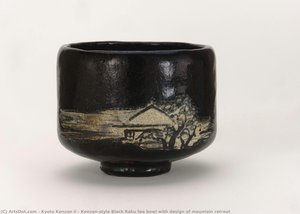
Ogata Ihachi
Japón
Breves datos
- Artistic Movement Or Style: Raku ware
- Artists Or Movements Influenced By This Artist: ['Rimpa School']
- Artists Who Influenced This Artist:
- Ogata Kenzan
- Ninsei
- Date Of Birth: Kyoto, Japón
- Date Of Death: (Living)
- Full Name: Ogata Ihachi
- Nationality: Japonés
- Notable Artworks:
- Jurōjin Plate
- Hexagonal Plates
- Cedar Grove Plate
- Place Of Birth: Kyoto

