

 Vista previa
 Compartir
 Compartir
 Ver detalles

 Descargar
 Ver similares
 Radiografía
 Presentación de diapositivas
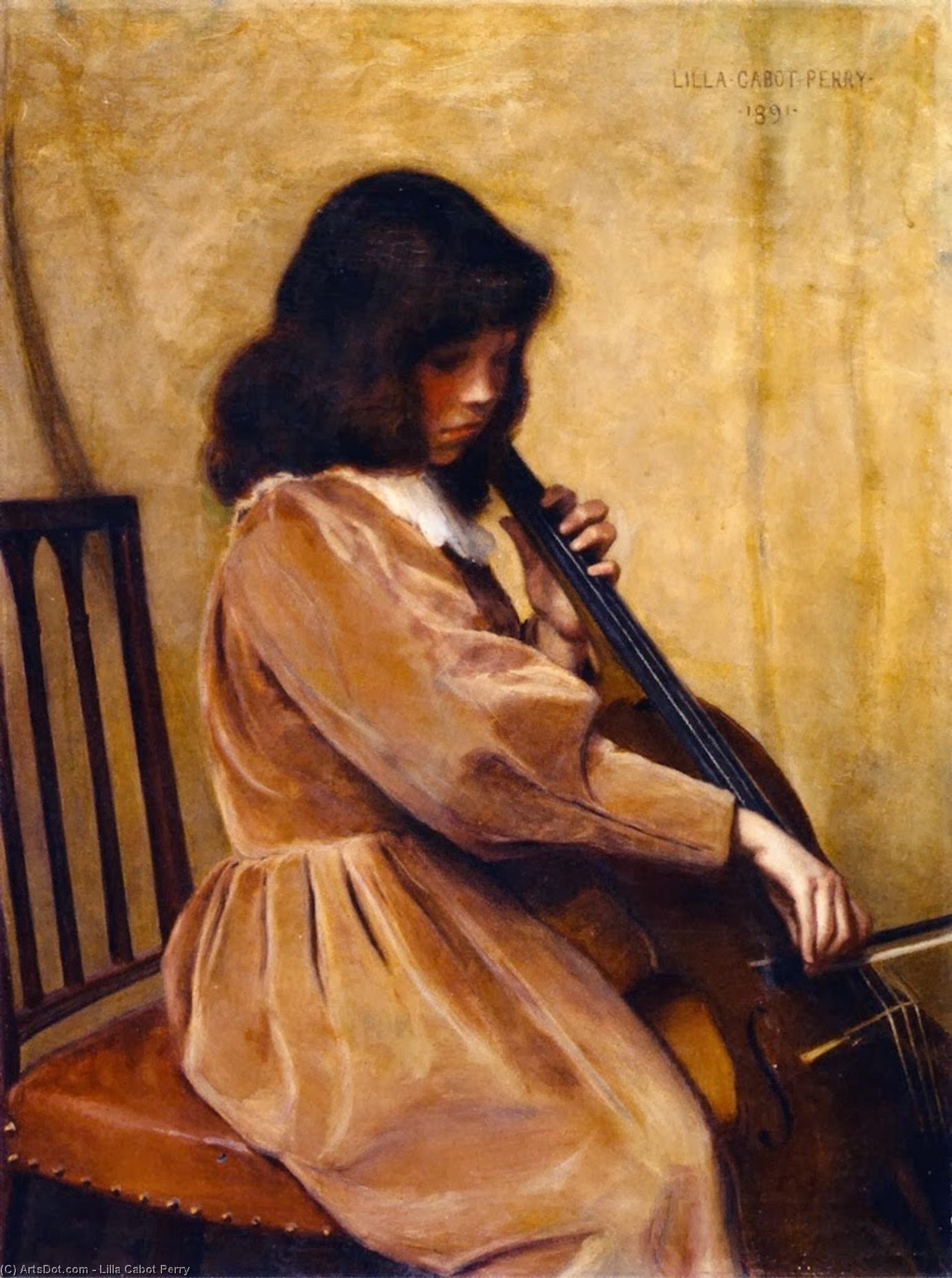
Girl Playing a Cello


 Leer más
Giclée / Impresión de arte
Impresiones giclée o en lienzo de calidad de museo con producción rápida y opciones de acabado flexibles. ( Encargar reproducción pintada a mano Comprar descarga)




P118B $10

P118H $10

P118W $10

P438Z $10

P508JH $12

P508YH $12

P805H $10

P805Z $10

P919BZ $10

P919G $10

P919XJ $10

P959ZH $10

P968JZ $12

W106C $8

W218G $10

W218JH $8

W218Y $10

W307PJ $10

W316G $10

W316PJ $8

W316Y $10

W398PJ $8

W4111J $10

W500HY $15

W500JH $15

W692G $12

W849H $8

W940BG $15

W953PJ $8




Elija entre nuestros tamaños predefinidos que respetan las proporciones originales de la obra.

Puede introducir sus propias dimensiones para adaptarse a un marco o espacio específico. Si el tamaño seleccionado no coincide con las proporciones de la imagen original, recortaremos la obra de arte o extenderemos la imagen con un borde con efecto espejo o de color sólido. Se enviará una maqueta digital para su aprobación antes de que comience la producción.
Tenga en cuenta que la vista previa en pantalla no refleja el recorte o la extensión real. Solo la maqueta mostrará con precisión la composición final.
Aunque existen tamaños personalizados, recomendamos seleccionar una dimensión de la lista predefinida para preservar las proporciones originales.
Envío a todo el mundo () en 2 semanas en lugar de las 4/5 semanas estándar. (21 agosto)

Envío exprés gratuito a todo el mundo

Lienzo de lino de alta calidad

Seguro de envío completo

Garantía de reembolso de aranceles aduaneros

Garantía de fidelidad cromática exacta

Política de devolución de 60 días (solo por defectos)

Garantía de devolución del 100% del dinero

Oferta por volumen
 La opción de vidrio solo está disponible en tamaños inferiores a 110 cm.

Girl Playing a Cello
Giclée / Impresión de arte
Tamaño de la reproducción
-


Precio total
$ 62
Descripción de la pieza
A Moment of Quietude: Exploring Lilla Cabot Perry’s “Girl Playing a Cello”
Lilla Cabot Perry's "Girl Playing a Cello," painted in 1891, isn’t merely a portrait; it’s a carefully constructed tableau of intimacy and contemplative beauty. This work, currently residing within the hallowed halls of the Fogg Art Museum at Harvard University, offers a glimpse into late 19th-century American Impressionism – a movement characterized by its loose brushwork, emphasis on light and color, and a profound interest in capturing fleeting moments of everyday life. Perry’s masterful handling of light and shadow, combined with her sensitive portrayal of the young musician, creates an atmosphere of serene stillness that draws the viewer into the scene.
The painting immediately establishes a sense of quiet domesticity. The girl, dressed in a sumptuous yellow velvet gown adorned with a delicate white collar, is completely absorbed in her music. Her posture – slightly hunched over the cello, her gaze lowered – speaks volumes about concentration and passion. Perry’s use of color is particularly noteworthy; the warm golden light bathing the room contrasts beautifully with the cool blues and greens of the background, creating a harmonious balance that enhances the painting's overall mood. The subtle details—the texture of the velvet, the gleam of the cello strings—are rendered with remarkable precision, demonstrating Perry’s keen observational skills.
Impressionism in Boston: A Local Pioneer
Perry’s artistic journey is inextricably linked to the vibrant art scene of Boston during this period. Influenced by the teachings of Robert Vonnoh and her exposure to European Impressionist techniques, she developed a distinctive style that blended elements of realism with an expressive use of color and light. Her work reflects the broader trends of the time – a growing interest in capturing the beauty of nature and the lives of ordinary people. Notably, Perry’s early training with Alfred Quinton Collins, a Boston School painter, instilled in her a deep appreciation for portraiture, while her travels to France provided her with invaluable experience in adopting the “en plein air” style championed by Monet and Pissarro.
Furthermore, Perry's background as the daughter of prominent Boston figures – Dr. Samuel Cabot III and Hannah Lowell Jackson Cabot – afforded her access to a world of culture and intellectual stimulation. Her friendships with artists like Camille Pissarro and exposure to the works of Old Masters through Bernard Berenson undoubtedly shaped her artistic sensibilities. The painting, therefore, can be seen as a reflection of both her personal experiences and the broader cultural currents of her time.
Symbolism and Emotional Resonance
Beyond its technical merits, “Girl Playing a Cello” resonates with profound symbolic meaning. The cello itself is a potent symbol of creativity, passion, and introspection. The girl’s absorption in her music suggests a desire for escape, self-expression, and connection to something larger than herself. The simple setting—a single chair, a few subtle hints of other figures—creates an atmosphere of intimacy and privacy, inviting the viewer to contemplate the girl's inner world.
The painting’s overall effect is one of quiet contemplation and emotional depth. It’s not simply a depiction of a young girl playing an instrument; it’s a meditation on beauty, innocence, and the power of art to transport us to another realm. Reproductions of this iconic work offer a wonderful opportunity to bring this evocative scene into your home, allowing you to experience its timeless appeal firsthand.
Further Exploration
- Lilla Cabot Perry (1848-1932): A pioneering American Impressionist painter.
- The Red Hat: Exemplifies her use of bold colors and free-form brushstrokes.
- 1999.251: Girl Playing a Cello - Harvard Art Museums
Obras relacionadas


Biografía del artista
Primeros Años y Formación
- Nacimiento: 13 de enero de 1848, Boston, Massachusetts
- Antecedentes Familiares: Hija del Dr. Samuel Cabot III y Hannah Lowell Jackson Cabot, figuras prominentes en la sociedad de Boston.
- Educación Temprana: Estudió literatura, idiomas, poesía y música; sesiones informales de bocetos con amigos.
- Viajes Europeos (1867): Exposición al arte europeo durante viajes con sus padres.
- Comienzo de la Formación Formal (1884): Estudió pintura con Alfred Quinton Collins.
- Influencia Impresionista: Mayor formación en Grez-sur-Loing, Francia, bajo Robert vonnoh, adoptando el estilo en plein air.
- Mentorship y Conexiones: Amistad con Camille Pissarro y exposición a los Maestros Antiguos a través de Bernard Berenson.
Estilo Artístico y Obras Notables
- Características del Estilo: Colores audaces, pinceladas libres, influenciada por el Impresionismo.
- Influencias Clave: Claude Monet, Camille Pissarro, estética del arte japonés.
- Pinturas Notables:
- El Sombrero Rojo: Ejemplifica su uso de colores audaces y pinceladas libres.
- Retrato de una Niña (Margaret Perry): Muestra su habilidad para capturar la belleza cotidiana.
- Dans un Bateau (En un Barco): Un retrato cautivador que demuestra la vitalidad impresionista.
- Thomas Sergeant Perry Leyendo el Periódico: Una representación realista de la vida doméstica.
- Retrato de una Joven con una Naranja: Combina influencia japonesa y texturas ricas.
- Dama con un Vestido de Gala: Demuestra gracia y elegancia a través de suaves iluminaciones.
- El Cellista: Una pintura realista que captura la contemplación y la serenidad.
- En un Jardín Japonés: Un paisaje exquisito que muestra serena belleza.
- Retrato de Lilla Cabot Perry: Un autorretrato que refleja dignidad y sabiduría.
- Primer Trabajo: "The Beginner" representa su primer trabajo bajo orientación formal.
- Ejemplos Impresionistas: “Silhouette,” “Lingering Rain,” “Moon and Eventide” muestran un estilo único a través del color y la luz.
Desarrollo y Evolución Artística
- Enfoque Temprano: Inicialmente se centró en el retrato, reflejando el estatus social de su familia.
- Cambio al Impresionismo: La exposición a artistas europeos y paisajes llevó a adoptar un enfoque impresionista.
- Influencia Japonesa: Incorporó la estética japonesa en las composiciones, evidente en obras como "Retrato de una Joven con una Naranja".
- Evolución de la Técnica: Se movió de retratos más tradicionales hacia pinceladas más sueltas y capturando momentos fugaces.
- Obras Posteriores: Continuó explorando paisajes y retratos, refinando su estilo impresionista a lo largo de su carrera.
Logros Mayores y Legado
- Pionera del Impresionismo Americano: Reconocida como una de las pioneras tempranas del Impresionismo Americano.
- Exposiciones: Su obra fue expuesta en varios museos y galerías, obteniendo reconocimiento dentro del mundo del arte.
- Colecciones de Museos: Pinturas se presentan en colecciones prominentes incluyendo el Toledo Museum of Art y Wadsworth Atheneum Museum of Art.
- Influencia en Artistas Posteriores: Contribuyó al desarrollo del Impresionismo Americano e influyó a generaciones posteriores de artistas.
- Impacto Duradero: Su estilo único y contribuciones continúan siendo celebradas por entusiastas del arte en todo el mundo, solidificando su lugar en la historia del arte americano.
Significado Histórico
- Representación de una Era Cambiante: La obra de Perry refleja la transición de la pintura académica tradicional al Impresionismo moderno en América.
- Artista Femenina en un Campo Dominado por Hombres: Navegó con éxito y contribuyó a un mundo del arte dominado por hombres, allanando el camino para futuras artistas femeninas.
- Intercambio Cultural: Su exposición al arte europeo y japonés demostró el creciente intercambio cultural de finales del siglo XIX.
- Documentación de la Vida Americana: A través de sus retratos y paisajes, Perry capturó aspectos de la vida americana durante un período de cambio social y económico significativo.
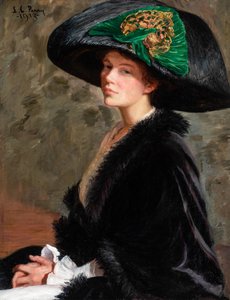
Lilla Cabot Perry
1848 - 1932 , Estados Unidos de América
Datos clave
- Artistas Que Influyeron:
- Claude Monet
- Camille Pissarro
- Fecha De Fallecimiento: 1932
- Fecha De Nacimiento: 13 de enero de 1848
- Lugar De Nacimiento: Boston, EE. UU.
- Movimiento Artístico: Impresionismo americano
- Nacionalidad: Estadounidense
- Nombre Completo: Lilla Cabot Perry
- Obras Notables:
- El sombrero rojo
- Retrato de un bebé
- Silueta
- Lluvia persistente
- Luna y Eventide
Artículos relacionados
Lilla Cabot Perry: Pioneering American Impressionism & Society Portraiture
Discover Lilla Cabot Perry (1848-1933), a pioneering American Impressionist painter. Explore her captivating portraits of Boston society, Monet's influence, and lasting legacy in art history. Learn more at ArtsDot.

Obras Maestras Llenas de Juego: El Arte que Inspira Alegría y Vitalidad | ArtsDot
Descubre 10 obras maestras llenas de alegría y vitalidad. Explora la historia detrás de Monet, Renoir, Van Gogh y más. Encuentra lienzos originales e inspiración para decorar tu hogar con arte vibrante en ArtsDot.com

Impresionismo: 10 Obras Maestras que Capturan la Luz y el Momento
Descubre 10 obras maestras del impresionismo de Monet, Renoir y Degas. Explora la luz, el color y las historias detrás de estos icónicos cuadros. Reproducciones de arte en ArtsDot.com para decorar tu hogar con estilo.
Impresionismo y Postimpresionismo: Una Exploración de la Evolución Artística y sus Distinciones Clave
Explora la evolución del Impresionismo al Postimpresionismo. Descubre sus características, artistas clave y las diferencias esenciales en este análisis experto.

Paul Cézanne: Las 25 Obras Maestras que Definieron el Arte Moderno | ArtsDot
Descubre las 25 obras maestras de Paul Cézanne que revolucionaron el arte moderno. Explora su técnica, inspiración y significado en paisajes, bodegones y retratos. Reproducciones de alta calidad para decorar tu hogar con arte inolvidable. ¡Explora la colección completa en ArtsDot.com!

