 Vista previa
 Compartir
 Compartir
 Ver detalles

 Descargar
 Ver similares
 Radiografía
 Presentación de diapositivas
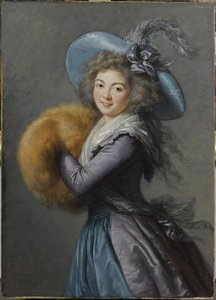
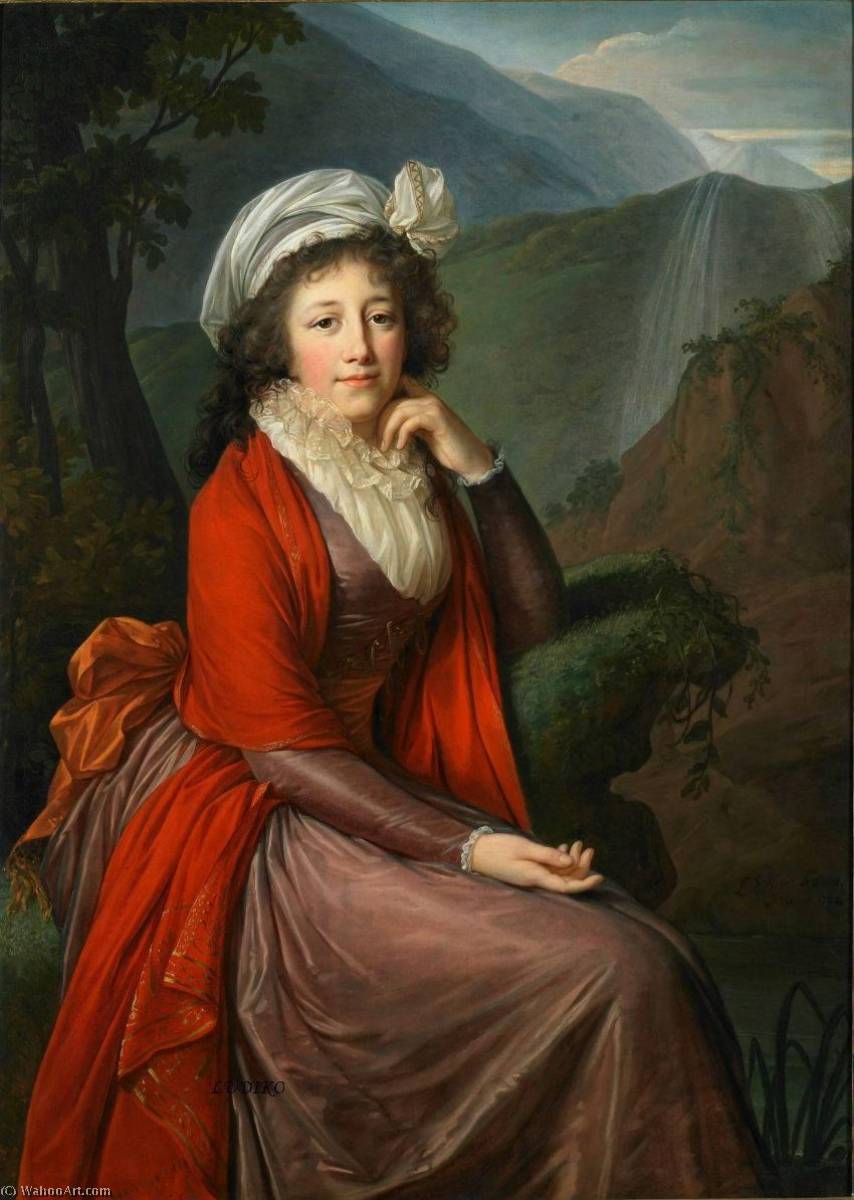
La Comtesse Bucquoi


 Leer más
Reproducción al óleo hecha a mano
Óleo sobre lienzo pintado a mano en el tamaño y marco de su elección, realizado por encargo por nuestros artistas. ( Pedir impresión Comprar descarga)




P118B $10

P118H $10

P118W $10

P438Z $10

P508JH $12

P508YH $12

P805H $10

P805Z $10

P919BZ $10

P919G $10

P919XJ $10

P959ZH $10

P968JZ $12

W106C $8

W218G $10

W218JH $8

W218Y $10

W307PJ $10

W316G $10

W316PJ $8

W316Y $10

W398PJ $8

W4111J $10

W500HY $15

W500JH $15

W692G $12

W849H $8

W940BG $15

W953PJ $8




Elija entre nuestros tamaños predefinidos que respetan las proporciones originales de la obra.

Puede ingresar sus propias dimensiones para adaptarse a un marco o espacio específico. Si el tamaño seleccionado no coincide con las proporciones de la imagen original, recortaremos la obra o extenderemos la pintura con elementos adicionales pintados a mano. Se le enviará una maqueta digital para su aprobación antes de comenzar la producción.
Tenga en cuenta que la vista previa en pantalla no refleja el recorte o la extensión reales. Solo la maqueta mostrará con precisión la composición final.
Si bien existen tamaños personalizados, recomendamos seleccionar una dimensión de la lista predefinida para preservar las proporciones originales.
Tras realizar el pedido, el equipo de ArtsDot.com enviará un correo electrónico al cliente para solicitar instrucciones y proporcionarle una vista previa del boceto.
Envío a todo el mundo () en 3-4 semanas en lugar de las 5 semanas estándar. (22 agosto). Sin comprometer la calidad.

Envío exprés gratuito a todo el mundo

Lienzo de lino de alta calidad

Seguro de envío completo

Garantía de reembolso de aranceles aduaneros

Garantía de fidelidad cromática exacta

Política de devolución de 60 días (solo por defectos)

Garantía de devolución del 100% del dinero

Oferta por volumen
 La opción de vidrio solo está disponible en tamaños inferiores a 110 cm.

La Comtesse Bucquoi
Técnica de reproducción
Tamaño de la reproducción
-


Precio total
$ 263
Descripción de la obra
A Portrait of Quiet Majesty: La Comtesse Bucquoi by Louise Élisabeth Vigée Le Brun
Louise Élisabeth Vigée Le Brun’s “La Comtesse Bucquoi,” painted in 1793, offers a captivating glimpse into the world of aristocratic portraiture during the late 18th century. This remarkable work transcends a simple likeness; it is a carefully constructed tableau of elegance, contemplation, and subtle power, reflecting the artistic sensibilities of its creator and the societal norms of the time. The subject, a woman identified as the Comtesse Bucquoi, sits with an air of dignified repose on what appears to be natural ground, her hands folded in a gesture that speaks volumes about composure and perhaps even restraint. Her red clothing – a bold statement against the backdrop – immediately draws the eye, suggesting both wealth and a carefully cultivated image.
- The Artist’s Vision: Vigée Le Brun was one of the most celebrated portrait painters of her era, renowned for her ability to capture not just physical appearance but also the inner character of her sitters. Her portraits were commissioned by royalty and nobility across Europe, solidifying her position as a leading figure in the art world.
- Technique & Style: Executed with Vigée Le Brun’s signature loose brushwork and masterful use of light and shadow, the painting exemplifies the Rococo-influenced style prevalent during this period. The soft modeling of the Comtesse's features, combined with the delicate rendering of her clothing and the atmospheric perspective of the landscape, creates a sense of depth and realism that is both beautiful and engaging.
A Landscape as Reflection
The setting itself – a picturesque vista of mountains and water punctuated by two trees – is far more than mere decoration. It serves as a crucial element in the composition, acting as a mirror to the Comtesse’s inner state. The tranquil waters and distant peaks evoke a sense of serenity and timelessness, while the trees offer a grounding presence, connecting her to the natural world. This integration of landscape into portraiture was a hallmark of Vigée Le Brun's approach, elevating the genre beyond a simple representation of an individual to a meditation on beauty, nature, and human experience.
- Symbolism of Nature: In 18th-century art, landscapes often carried symbolic weight. Mountains represented strength and stability, while water symbolized fluidity and emotion. The trees, particularly, were associated with wisdom and longevity.
- Compositional Harmony: Vigée Le Brun skillfully employs the principles of composition to create a balanced and harmonious image. The diagonal lines created by the landscape lead the viewer’s eye towards the Comtesse, emphasizing her importance within the scene.
Historical Context & Social Significance
"La Comtesse Bucquoi" was painted in 1793, a pivotal year in French history marked by the beginning of the French Revolution. While Vigée Le Brun continued to paint aristocratic subjects throughout this tumultuous period, her portraits reflect a lingering sense of elegance and refinement amidst growing social unrest. The Comtesse’s attire – particularly the red – could be interpreted as a subtle display of wealth and status, a defiant assertion of privilege in the face of revolutionary fervor. The painting offers a valuable window into the lives and aspirations of the French aristocracy during this transformative era.
Emotional Impact & Artistic Legacy
Ultimately, “La Comtesse Bucquoi” is a portrait that resonates with quiet power and understated beauty. The Comtesse’s pensive expression invites viewers to contemplate her thoughts and feelings, creating an intimate connection between the subject and the observer. Vigée Le Brun's masterful technique and insightful portrayal of character have ensured the painting’s enduring appeal, cementing its place as a significant work within her oeuvre and a testament to the artist’s exceptional talent.
Obras relacionadas
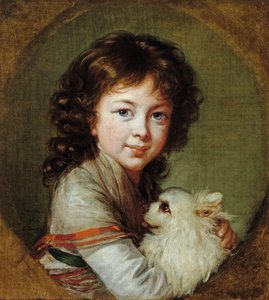
Biografía del artista
Primeros Años y Formación
- Nacimiento: París, Francia (16 de abril de 1755)
- Fallecimiento: 1842
- Louise Élisabeth Vigée nació en una familia con conexiones artísticas. Su padre, Louis Vigée, era un retratista pastelero y miembro del gremio de artistas, la Académie de Saint-Luc.
- Comenzó su formación artística temprano, aprendiendo de su padre. Demostró un talento notable desde temprana edad, pintando en diversas superficies.
- Tras la muerte de su padre cuando tenía doce años, continuó desarrollando sus habilidades, estudiando con artistas como Blaise Bocquet, Pierre Davesne y Gabriel Briard.
Ascenso a la Prominencia y Patronazgo Real
- En 1774, se unió a la Académie de Saint-Luc, un paso significativo para establecerse como artista.
- Su matrimonio con Jean-Baptiste Pierre Le Brun en 1776, un comerciante de arte, resultó beneficioso para su carrera, proporcionando acceso y conexiones dentro del mundo del arte.
- Un momento crucial llegó en 1778 cuando fue comisionada para pintar un retrato oficial de María Antonieta, Reina de Francia. Esto marcó el comienzo de una estrecha relación con la familia real.
- Se convirtió en la retratista oficial de María Antonieta, creando numerosos retratos de la reina y sus hijos. Su habilidad para capturar los rasgos y retratar la elegancia le valió un amplio reconocimiento.
- Su trabajo fue muy solicitado por otros miembros de la aristocracia y la sociedad selecta.
Estilo Artístico y Obras Principales
- El estilo artístico de Vigée Le Brun se considera generalmente parte de la estela del Rococó, aunque a menudo adopta un enfoque neoclásico.
- Sus retratos se caracterizan por su elegancia, naturalismo y atención al detalle. Capturaba hábilmente las personalidades y el estatus social de sus modelos.
- Obras Notables:
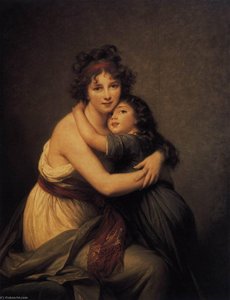
- Autorretrato con su Hija, Julie – Una conmovedora representación de la maternidad.
- Retratos de María Antonieta – Numerosos retratos que muestran el estilo y la personalidad de la reina.
- María Antonieta en gran traje de corte, sosteniendo una rosa - Captura la grandeza de la Reina.
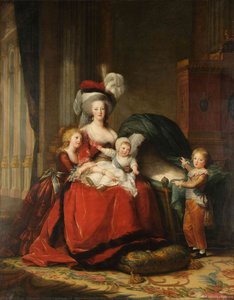
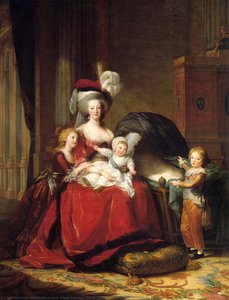
- Marie-Antoinette Lorrraine Habsburg, Reina de Francia y sus hijos. – Un retrato familiar que demuestra su habilidad.
- También creó paisajes y escenas de género, aunque es más conocida por sus retratos.
La Revolución Francesa y Vida Posterior
- La Revolución Francesa impactó significativamente la vida y la carrera de Vigée Le Brun. Debido a la agitación política y las preocupaciones por su seguridad, huyó de Francia en 1789.
- Pasó varios años viajando por Europa, incluyendo Rusia, Italia, Inglaterra y Suiza, continuando pintando retratos de figuras prominentes.
- Durante este período, ganó reconocimiento y patrocinio de varias cortes y aristócratas europeos.
- Regresó a Francia en 1809 y vivió una vida relativamente tranquila, dividiendo su tiempo entre París y su finca rural.
- Publicó sus memorias, proporcionando valiosas perspectivas sobre su vida, carrera y el mundo artístico de su época.
Legado y Significado Histórico
- Vigée Le Brun es reconocida como una de las retratistas más destacadas del siglo XVIII.
- Su obra proporciona un valioso registro visual de la sociedad francesa durante un período de cambios significativos.
- Como artista femenina exitosa en un campo dominado por hombres, allanó el camino para futuras generaciones de artistas mujeres.
- Su capacidad para obtener patrocinio real y lograr un amplio reconocimiento demuestra su talento y determinación.
- Sus memorias ofrecen una perspectiva única sobre el mundo del arte, la vida cortesana y el impacto de la Revolución Francesa.
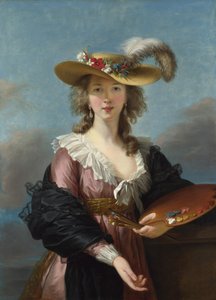
Luisa Isabel Vigée Le Brun
1755 - 1842 , Francia
Datos clave
- Artistas Que Influyeron:
- Blaise Bocquet
- Pierre Davesne
- Gabriel Briard
- Fecha De Fallecimiento: 30 de marzo de 1842
- Fecha De Nacimiento: 16 de abril de 1755
- Lugar De Nacimiento: París, Francia
- Movimiento Artístico: Rococó y Neoclasicismo
- Nacionalidad: Francesa
- Nombre Completo: Luisa Isabel Vigée Le Brun
- Obras Notables:
- Autorretrato con su hija
- Retratos de María Antonieta
- Reina María Antonieta
Artículos relacionados
Vigée Le Brun: Portraiture, Patronage & Feminine Identity in 18th-Century France
Explore the life & art of Louise Élisabeth Vigée Le Brun, Marie Antoinette’s renowned portraitist. Discover her Rococo style, self-portraits, and influence on 18th-century French painting. A deep dive into patronage & feminine identity.
Charles Le Brun: Master of French Baroque Classicism & His Enduring Legacy
Explore the life & art of Charles Le Brun, master of French Baroque Classicism. Discover his royal commissions, influence on Versailles, and enduring legacy through detailed analysis & stunning artworks.

Rococó: 10 Obras Maestras que Definieron una Época | Arte y Decoración en
Descubre las 10 obras maestras del Rococó que marcaron una época. Explora la elegancia de Fragonard, Boucher y Watteau en . Reproducciones de arte de calidad museo para decorar tu hogar con estilo.

La Estética Rococó: Opulencia, Rebelión y Placer en el Arte del Siglo XVIII
Descubre la fascinante estética rococó: su historia, características clave y los artistas más influyentes del siglo XVIII. Un análisis profundo para amantes del arte y coleccionistas.
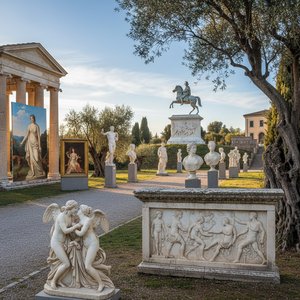
Neoclasicismo: 10 Obras Maestras que Definieron un Estilo Eterno |
Descubre las 10 obras maestras del Neoclasicismo con . Explora la historia de David, Ingres y Canova, su técnica y el legado de este estilo eterno. Reproducciones de arte de museo para tu hogar. ¡Explora la colección online!