 Ver en contexto
 Enviar
 Compartir
 Detalles

 Descargar
 Similares
 Radiografía
 Presentación de diapositivas
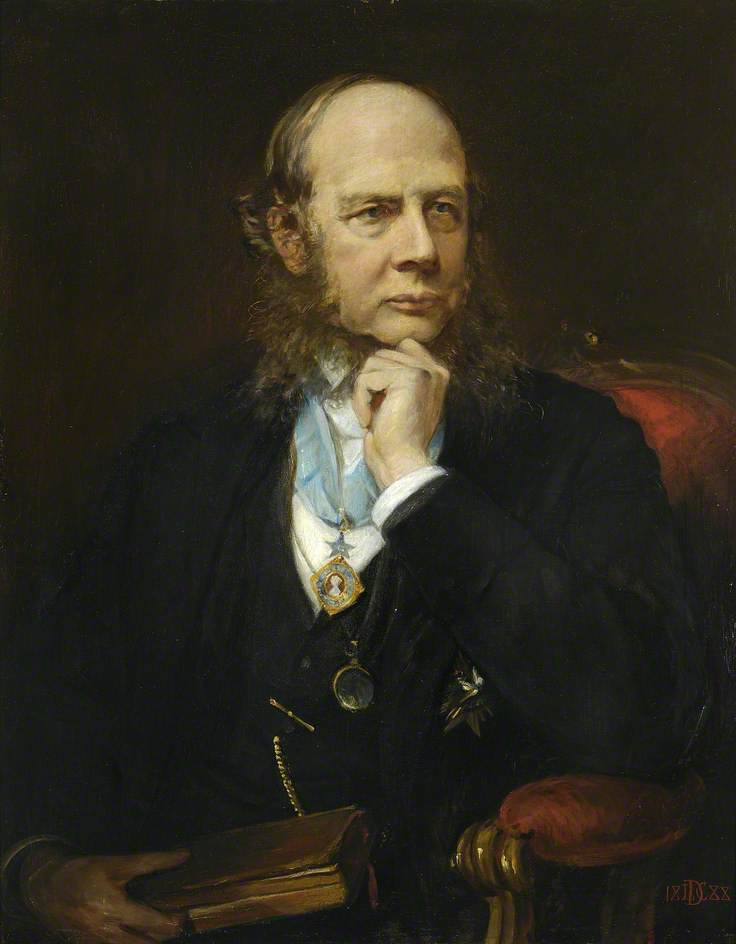
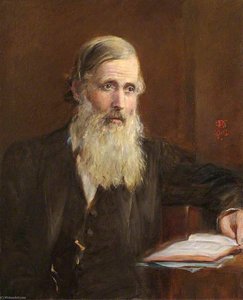
Sir Henry James Sumner Maine (1822–1888), KCSI, LLD, FRS, Master (1877–1888)
 Oil On Canvas
- WallArt
- Pre-Raphaelite Brotherhood
 1888
1888 89.0 x 70.0 cm
 Trinity Hall
 Ver más
Giclée / Impresión de arte
Impresiones giclée o en lienzo de calidad de museo con producción rápida y opciones de acabado flexibles. ( Comprar pintura hecha a mano Comprar imagen)




P118B $10

P118H $10

P118W $10

P438Z $10

P508JH $12

P508YH $12

P805H $10

P805Z $10

P919BZ $10

P919G $10

P919XJ $10

P959ZH $10

P968JZ $12

W106C $8

W218G $10

W218JH $8

W218Y $10

W307PJ $10

W316G $10

W316PJ $8

W316Y $10

W398PJ $8

W4111J $10

W500HY $15

W500JH $15

W692G $12

W849H $8

W940BG $15

W953PJ $8




Elija entre nuestros tamaños predefinidos que respetan las proporciones originales de la obra.

Puede introducir sus propias dimensiones para adaptarse a un marco o espacio específico. Si el tamaño seleccionado no coincide con las proporciones de la imagen original, recortaremos la obra de arte o extenderemos la imagen con un borde con efecto espejo o de color sólido. Se enviará una maqueta digital para su aprobación antes de que comience la producción.
Tenga en cuenta que la vista previa en pantalla no refleja el recorte o la extensión real. Solo la maqueta mostrará con precisión la composición final.
Aunque existen tamaños personalizados, recomendamos seleccionar una dimensión de la lista predefinida para preservar las proporciones originales.
Envío a todo el mundo () en 2 semanas en lugar de las 4/5 semanas estándar. (28 agosto)

Envío exprés gratuito a todo el mundo

Lienzo de lino de alta calidad

Seguro de envío total

Garantía de reembolso de impuestos aduaneros

Garantía de fidelidad cromática exacta

Política de devolución de 60 días (solo por defectos)

Garantía de devolución del 100% del dinero

Descuento por cantidad
 La opción de vidrio solo está disponible en tamaños inferiores a 110 cm.

Sir Henry James Sumner Maine (1822–1888), KCSI, LLD, FRS, Master (1877–1888)
Giclée / Impresión de arte
Dimensiones de la reproducción
-


Precio total final
$ 62
A Portrait of Victorian Dignity: Lowes Cato Dickinson’s Sir Henry James Sumner Maine
Lowes Cato Dickinson's 1888 oil painting of Sir Henry James Sumner Maine stands as a remarkable testament to the era’s fascination with portraiture and its evolving engagement with social reform. More than simply a likeness, it’s a carefully constructed image that embodies Victorian ideals of intellect, public service, and quiet authority. Dickinson, a prominent figure in London's artistic circles and a committed Christian socialist, imbued this work with both technical mastery and a subtle moral weight.
The subject himself – Sir Henry James Sumner Maine (1822-1888) – was a towering figure in British legal history. A renowned comparative jurist, he profoundly shaped the understanding of law’s development from ancient custom to modern contract, a thesis that continues to resonate within legal scholarship today. Maine's career spanned significant reforms within India, reflecting his commitment to progressive governance and social justice. Dickinson skillfully captures Maine’s dignified presence – the furrowed brow suggesting deep contemplation, the hands clasped in a gesture of measured deliberation – projecting an image of thoughtful leadership.
A Delicate Balance: Technique and Style
Dickinson's style is characterized by a remarkable sensitivity to light and shadow. He employs a muted palette—primarily browns, greys, and subtle blues—to create a sense of understated elegance. The brushwork is remarkably controlled, avoiding overt flourishes while still conveying texture in the fabric of Maine’s suit and the details of his face. Notably, Dickinson often worked from photographs, meticulously translating the likeness into paint, demonstrating an acute understanding of capturing form and expression. This technique allowed him to focus on refining the portrait's overall composition and mood rather than spending countless hours directly observing his subject.
The background is deliberately restrained, featuring a simple chair and book – symbols of intellectual pursuit and scholarly reflection. These elements subtly reinforce Maine’s profession and suggest a life dedicated to reasoned thought and legal analysis. Dickinson’s careful attention to detail extends beyond the figure itself; even the folds of the clothing are rendered with precision, adding depth and realism to the composition.
Symbolism and Victorian Values
Beyond the straightforward depiction of a prominent jurist, the portrait is rich in symbolic meaning reflective of Victorian sensibilities. Maine’s posture—the hand resting thoughtfully on his chin—conveys an air of quiet contemplation and intellectual rigor – qualities highly valued during that era. The formal attire, with its dark colors and precise tailoring, speaks to respectability and social standing. Furthermore, Dickinson's inclusion of the LLD (Legum Doctor) designation, a testament to Maine’s academic achievements, subtly elevates his status within the intellectual landscape.
As a Christian socialist, Dickinson likely intended this portrait to serve as an example of civic virtue – a reminder of the importance of public service and ethical leadership. The painting can be interpreted as a visual embodiment of Victorian ideals of duty, responsibility, and the pursuit of justice, aligning with the social reform movements gaining momentum during Maine’s lifetime.
A Legacy in Reproduction: Bringing Dickinson's Vision to Life
Reproductions of this portrait offer a valuable opportunity to appreciate Dickinson’s artistry and engage with a pivotal figure in British legal history. The painting’s enduring appeal lies not only in its technical skill but also in its ability to evoke a sense of dignified contemplation—a quality that continues to resonate with viewers today. When commissioning a hand-painted reproduction, consider the scale and framing options to best complement your interior space, allowing this evocative portrait to serve as a focal point for conversation and reflection.
Obras relacionadas
Biografía del artista
Vida y Orígenes
- Nacimiento: Kilburn, Reino Unido (1819)
- Fallecimiento: 1908
- Lowes Cato Dickinson nació el 27 de noviembre de 1819 en Kilburn, Londres. Pertenecía a una familia numerosa de once hermanos y hermanas.
- Su padre, Joseph Dickinson, era un litógrafo y editor de arte de Bond Street. Lowes recibió su educación temprana en Topsham School y Dr Lord's School en Tooting.
- Tras la muerte de su padre en 1849, se convirtió en socio de sus dos hermanos mayores, Gilbert Bell Dickinson y William Robert Dickinson, en la firma Dickinson Brothers of Bond Street.
Desarrollo Artístico e Influencias
- Dickinson inicialmente se formó con su padre, adquiriendo experiencia en litografía y publicación de arte.
- Viajó a Italia alrededor de 1850 durante tres años, lo que influyó significativamente en su desarrollo artístico.
- Estuvo asociado con la Hermandad Prerrafaelita, correspondiendo y trabajando con figuras clave como Dante Gabriel Rossetti y John Ruskin. Les dio conferencias junto a ellos.
- Dickinson enseñó dibujo en el Working Men's College junto a Ruskin y Rossetti.
- Ford Madox Brown trabajó para Dickinson Brothers, lo que demuestra una conexión con importantes círculos artísticos.
Obras Principales y Estilo
- Retrato: Dickinson fue conocido principalmente como retratista, capturando numerosas figuras victorianas.
- Retratos de Grupo: Creó notables retratos de grupo, incluido el gabinete de 1868 del Sr. Gladstone fotografiado en la Sala del Gabinete del número 10 de Downing Street.
- Retratos Postumos: Desarrolló una habilidad única para crear retratos postumos a partir de fotografías o descripciones.
- Temas: Sus temas incluyeron a la Reina Victoria, miembros del Parlamento, científicos (Arthur Cayley, James Clerk Maxwell) y socialistas cristianos (Charles Kingsley, Thomas Hughes).
- Estilo: Si bien estuvo influenciado por los prerrafaelitas, su estilo se caracterizó por un enfoque en el realismo y la representación detallada. A menudo pintaba solo rostros, con otros artistas completando la ropa.
Socialismo Cristiano y Compromiso Social
- Dickinson estuvo profundamente involucrado en el movimiento socialista cristiano.
- Co-fundó el Working Men's College en Londres en 1854, dedicado a proporcionar educación liberal para personas de clase trabajadora.
- Sus retratos a menudo representaban figuras destacadas dentro del círculo socialista cristiano, reflejando su compromiso con la reforma social.
Legado y Significado Histórico
- Las obras de Dickinson se conservan en la National Portrait Gallery en Londres, lo que muestra su importante contribución al retrato británico.
- El Working Men's College continúa honrándolo a través del Premio Lowes Dickinson, un premio anual de arte para estudiantes.
- Sus hijos establecieron una beca de viajes en su memoria, solidificando aún más su legado.
- Los documentos de Dickinson se encuentran en Princeton, Oxford y Cambridge Universities, proporcionando valiosos recursos para los estudiosos que estudian el arte y la historia social victoriana.
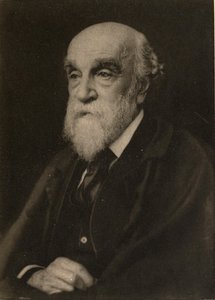
Lowes Cato Dickinson
1819 - 1908 , Reino Unido
Datos clave
- Artistas Que Influyeron:
- John Ruskin
- Dante Gabriel Rossetti
- Fecha De Fallecimiento: 15 de diciembre de 1908
- Fecha De Nacimiento: 27 de noviembre de 1819
- Influenciado Por Artistas: ['Ford Madox Brown']
- Lugar De Nacimiento: Kilburn, Reino Unido
- Movimiento Artístico: Retrato, Socialismo cristiano
- Nacionalidad: Británico
- Nombre Completo: Lowes Cato Dickinson
Artículos relacionados
Sir Joshua Reynolds: Las 25 Obras Maestras del Retrato Inglés | ArtsDot
Descubre las 25 obras maestras de Sir Joshua Reynolds, el pintor inglés que elevó el retrato a la categoría de arte. Explora su técnica clásica, estilo rococó y significado histórico en ArtsDot.com. ¡Encuentra reproducciones de alta calidad para tu hogar!
Henri Matisse: Las 25 Obras Maestras que Definieron un Genio del Color | ArtsDot
Descubre las 25 obras maestras de Henri Matisse, el rey del color y padre del fauvismo. Explora su arte moderno, lienzos vibrantes y la historia detrás de cada pintura icónica. Encuentra reproducciones de alta calidad en ArtsDot.com.

Alfred Munnings: Las 25 Obras Maestras del Pintor de Caballos | ArtsDot
Descubre las 25 obras maestras de Alfred Munnings, el pintor británico de caballos por excelencia. Explora su impresionismo inglés, escenas campestres y técnica única. Encuentra reproducciones de arte de alta calidad en ArtsDot.com.
Henry Scott Tuke: Sunlit Masculinity & the Pastoral Ideal in Victorian Painting
Explore the captivating world of Henry Scott Tuke's paintings – a master of British Impressionism renowned for his intimate depictions of youth and sunlit maritime scenes. Discover his legacy & aesthetic influence.
Dante Gabriel Rossetti: Las 25 Obras Maestras del Prerrafaelismo | ArtsDot
Descubre las 25 obras maestras de Dante Gabriel Rossetti, el máximo exponente del Prerrafaelismo. Explora su simbolismo, retratos victorianos y la belleza femenina en lienzos inolvidables. Reproducciones de arte exclusivas en ArtsDot.com.