 Ver en contexto
 Enviar
 Compartir
 Detalles

 Descargar
 Similares
 Radiografía
 Presentación de diapositivas
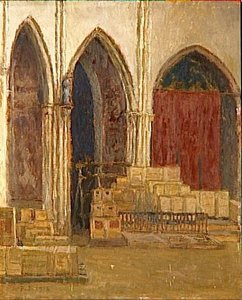
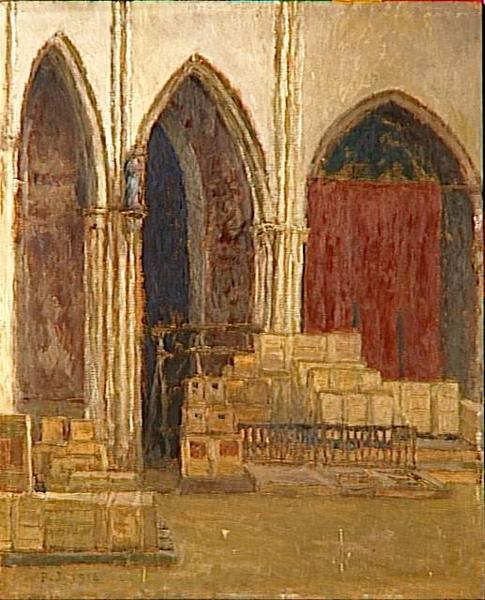
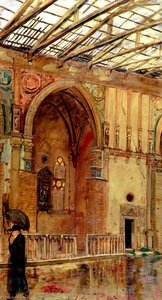
VUE INTERIEURE DE L'EGLISE DES JACOBINS DE TOULOUSE EN 1918


 Ver más
Adquiera una imagen digital de alta resolución y optimizada, muy superior a la vista previa en línea.
Cada archivo es preparado meticulosamente por nuestros especialistas internos mediante el uso de herramientas avanzadas y un experto retoque manual. Nos aseguramos de que cada imagen posea una claridad excepcional, una precisión cromática impecable y un detalle minucioso.
El archivo final se entrega por correo electrónico en un plazo de 72 horas, optimizado para su uso inmediato en entornos profesionales, editoriales y de impresión. Esta es la misma calidad en la que confían los estudios de diseño, las editoriales y las galerías de primer nivel.
Imagen Digital
Descarga un archivo de alta resolución para exhibición personal, impresión y proyectos creativos. ( Comprar impresión Comprar pintura hecha a mano)
Incluido en cada pedido de imágenes digitales
Entrega digital experta, garantizada.
Al elegir ArtsDot.com, no solo está adquiriendo una imagen; está recibiendo una obra de arte digital mejorada profesionalmente, elaborada con precisión y respaldada por una garantía de satisfacción. Esto es todo lo que incluye su pedido, automáticamente:

Entrega rápida por email
Recibirá su archivo de imagen digital en alta resolución por correo electrónico en un plazo de 72 horas tras realizar su pedido, listo para su uso inmediato.

Archivo digital optimizado por IA
Su obra de arte se optimiza profesionalmente mediante herramientas avanzadas de IA y edición manual, garantizando el máximo detalle, claridad y precisión cromática.

Reenvío gratuito de por vida
¿Has borrado o perdido tu archivo por error? No te preocupes: te lo volveremos a enviar en cualquier momento, sin coste adicional.

Sin gastos de importación, siempre
Disfrute de su obra de arte al instante sin aduanas, aranceles ni gastos de envío; las descargas digitales siempre están libres de impuestos.

Garantía de fidelidad de color
Garantizamos que su imagen digital refleje los colores originales con la mayor fidelidad posible, mediante el uso de herramientas profesionales y gestión del color.

Garantía de satisfacción de 60 días
Si no está satisfecho con su imagen digital, la revisaremos o le reembolsaremos el 100% en un plazo de 60 días, sin preguntas.

100% Garantía de devolución de dinero
¿No está satisfecho? Obtenga un reembolso completo dentro de los 60 días posteriores a la recepción de su archivo digital, sin necesidad de explicaciones.

Descuentos por pedidos grandes
Compra 3 imágenes, ahorra 10% - Compra 5, ahorra 15% - Compra 10+, ahorra 20%. Ideal para proyectos creativos, galerías y agencias.
Paul Jamot’s “Vue intérieure de l’église des Jacobins de Toulouse” – A Window into Parisian Impressionism
Paul Jamot's "Vue intérieure de l’église des Jacobins de Toulouse," painted in November 1918, stands as a testament to the enduring power of Impressionist art and its ability to capture not just visual reality but also the emotional atmosphere of a pivotal moment in history. This monumental canvas—measuring approximately 41.5 x 27.3 cm (RF 1941 17)—offers viewers an immersive experience into the grandeur of Toulouse Cathedral during the tumultuous years following World War I.- Subject Matter: The artwork focuses squarely on architectural detail—specifically, three towering Gothic arches dominating the cathedral interior. These arches are juxtaposed with stacked boxes representing scaffolding and construction materials, subtly hinting at the ongoing efforts to rebuild France after the devastation of the war.
- Style & Technique: Jamot’s approach aligns perfectly with Impressionism's core tenets. Visible brushstrokes create a textured surface, prioritizing capturing light and color over precise representation. The palette is dominated by earthy hues—ochre, red, and brown—reflecting the stone walls of the cathedral and conveying a sense of solemnity and resilience.
- Historical Context: Painted in 1918, “Vue intérieure” encapsulates the spirit of recovery and optimism that characterized France’s post-war period. The cathedral served as a symbol of national unity and faith amidst the challenges posed by rebuilding society after immense loss.
- Materials & Medium: Oil paint on canvas – a traditional medium that allows for rich pigment saturation and nuanced blending, ensuring the artwork retains its vibrancy over time.
- Provenance: The painting was bequeathed to the Musée du Louvre in 1941 by Paul Jamot himself, cementing its place within Parisian art history and demonstrating his commitment to preserving artistic heritage.
Exploring Paul Jamot’s Artistic Vision
Paul Jamot (1863-1939) was a prominent figure in French Impressionism, alongside luminaries like Monet and Renoir. His artistic journey began with an early fascination for the landscapes of Provence—a region that would inspire countless paintings throughout his career. However, it was his encounter with Edvard Munch’s “The Scream” – a seminal work exploring themes of anxiety and existential dread – that profoundly shaped Jamot's own artistic sensibilities.- Influences: Munch’s expressive use of color and form served as an impetus for Jamot to delve deeper into the psychological dimensions of painting, prioritizing conveying emotion over strict realism.
- Notable Works Beyond “Vue intérieure”: Jamot produced a diverse body of work encompassing landscapes, portraits, and still lifes—each infused with his distinctive Impressionistic style and imbued with a sensitivity to capturing fleeting moments of beauty and feeling.
* Wikipedia: https://en.wikipedia.org/wiki/Paul_Jamot – Provides biographical details and an overview of his artistic output.
* Louvre Museum Database:https://collections.louvre.fr/en/art/paul-jamot-vue-interieure-de-l-eglise-des-jacobins-de-toulous-AQSU2B-en/ – Offers comprehensive information about “Vue intérieure,” including dimensions, materials, and provenance.
* Image Search:https://ArtsDot.com/en/art/paul-jamot-vue-interieure-de-l-eglise-des-jacobins-de-toulous-AQSU2B-en/?srsltid=AfmBOoouRffRY5wOQ3PHJtqGw5OAU_rRSC5ewaVePFmWEjg3mjBS2eHj – Allows you to view a high-resolution image of “Vue intérieure” and discover related artworks by Jamot.
Obras relacionadas


Biografía del artista
A Polymath of the Arts: The Life and Legacy of Paul Jamot
Born in Paris on December 22, 1863, Paul Jamot was a man whose life was defined by an extraordinary intersection of artistic creation, scholarly rigor, and cultural stewardship. While many remember him as a painter, his influence extended far beyond the canvas, reaching into the very foundations of French museum curation and archaeological discovery. An alumnus of the prestigious École normale supérieure, Jamot possessed a rare intellectual versatility that allowed him to navigate the delicate realms of both fine art and classical history with equal grace. His early years were marked by an adventurous spirit, exemplified by his membership in the French School at Athens in 1887, where he embarked on profound explorations of the Greek landscape, specifically the valley of the Spercheios and the ancient sites of Argos.
The scholarly pursuits of Jamot were as much about preservation as they were about discovery. Between 1888 and 1891, he led significant excavations in the valley of the Muses in Thespies, a period that cemented his reputation as a meticulous researcher. His dedication to antiquity resulted in the collection of vital inscriptions, including the famed stele of Hesiod, and culminated in the publication of his evocative travelogue, En Grèce avec Charalambos Eugénidis. This deep connection to the classical past provided a structural and historical weight to his artistic sensibilities, informing a worldview that saw the beauty of the ancient world reflected in the contemporary light of his own era.
The Impressionist Vision and Architectural Grandeur
As an artist, Jamot found himself deeply immersed in the evolving language of Impressionism. His work often sought to capture the ephemeral qualities of light and atmosphere, moving away from rigid academicism toward a more sensory experience of space. One of his most poignant achievements can be seen in his depictions of sacred architecture, such as his masterful views of the Église des Jacobins de Toulouse. In these works, painted during the transformative years of the First World War, Jamot utilized visible brushstrokes and a rich, earthy palette of ochre and umber to breathe life into Gothic arches and stone interiors.
His technique was not merely about recording a scene but about evoking a mood—a symphony of light and silence. In his 1916 and 1918 canvases of the Toulouse cathedral, he captured the structural majesty of the space while subtly hinting at the resilience of France during a period of immense national upheaval. Through the use of diffused lighting and textured surfaces, Jamot transformed architectural studies into profound meditations on spirituality and the passage of time, proving that the Impressionist method could convey both the physical weight of history and the lightness of a passing moment.
A Legacy of Stewardship and Cultural Enrichment
Beyond his personal creative output, Paul Jamot’s most enduring contribution to the art world may lie in his role as a guardian of cultural heritage. As a distinguished curator and museum director, he held significant positions that shaped the collections of France's most beloved institutions. His career saw him serving as an honorary curator of the Louvre and as the director of the Reims museum from 1927 until his death in 1939. His expertise was recognized with the highest honors, including being named a commandeur of the Legion of Honour and becoming a member of the Institute of France.
Jamot’s devotion to art was ultimately selfless; he bequeathed to the city of Reims a magnificent collection of paintings that serves as a testament to his discerning eye. This collection, featuring masters such as Corot, Courbet, and Delacroix, ensures that his passion for beauty continues to inspire generations of viewers. Through his dual identity as a painter who captured the light of the present and a curator who preserved the shadows of the past, Paul Jamot remains a vital figure in the narrative of French cultural history.
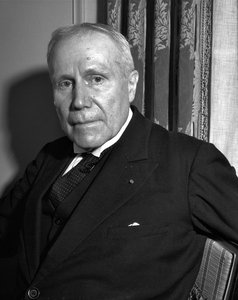
paul jamot
1863 - 1939