 Ver en contexto
 Enviar
 Compartir
 Detalles

 Descargar
 Similares
 Radiografía
 Presentación de diapositivas
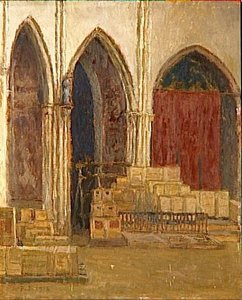
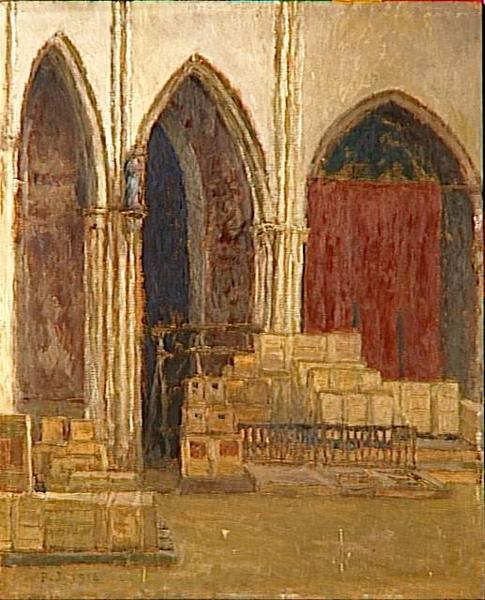
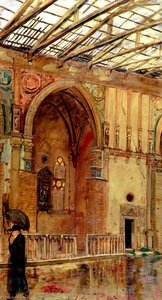
VUE INTERIEURE DE L'EGLISE DES JACOBINS DE TOULOUSE EN 1918


 Ver más
Giclée / Impresión de arte
Impresiones giclée o en lienzo de calidad de museo con producción rápida y opciones de acabado flexibles. ( Comprar pintura hecha a mano Comprar imagen)




P118B $10

P118H $10

P118W $10

P438Z $10

P508JH $12

P508YH $12

P805H $10

P805Z $10

P919BZ $10

P919G $10

P919XJ $10

P959ZH $10

P968JZ $12

W106C $8

W218G $10

W218JH $8

W218Y $10

W307PJ $10

W316G $10

W316PJ $8

W316Y $10

W398PJ $8

W4111J $10

W500HY $15

W500JH $15

W692G $12

W849H $8

W940BG $15

W953PJ $8




Elija entre nuestros tamaños predefinidos que respetan las proporciones originales de la obra.

Puede introducir sus propias dimensiones para adaptarse a un marco o espacio específico. Si el tamaño seleccionado no coincide con las proporciones de la imagen original, recortaremos la obra de arte o extenderemos la imagen con un borde con efecto espejo o de color sólido. Se enviará una maqueta digital para su aprobación antes de que comience la producción.
Tenga en cuenta que la vista previa en pantalla no refleja el recorte o la extensión real. Solo la maqueta mostrará con precisión la composición final.
Aunque existen tamaños personalizados, recomendamos seleccionar una dimensión de la lista predefinida para preservar las proporciones originales.
Envío a todo el mundo () en 2 semanas en lugar de las 4/5 semanas estándar. (2 septiembre)

Envío exprés gratuito a todo el mundo

Lienzo de lino de alta calidad

Seguro de envío total

Garantía de reembolso de impuestos aduaneros

Garantía de fidelidad cromática exacta

Política de devolución de 60 días (solo por defectos)

Garantía de devolución del 100% del dinero

Descuento por cantidad
 La opción de vidrio solo está disponible en tamaños inferiores a 110 cm.

VUE INTERIEURE DE L'EGLISE DES JACOBINS DE TOULOUSE EN 1918
Giclée / Impresión de arte
Dimensiones de la reproducción
-


Precio total final
$ 62
Paul Jamot’s “Vue intérieure de l’église des Jacobins de Toulouse” – A Window into Parisian Impressionism
Paul Jamot's "Vue intérieure de l’église des Jacobins de Toulouse," painted in November 1918, stands as a testament to the enduring power of Impressionist art and its ability to capture not just visual reality but also the emotional atmosphere of a pivotal moment in history. This monumental canvas—measuring approximately 41.5 x 27.3 cm (RF 1941 17)—offers viewers an immersive experience into the grandeur of Toulouse Cathedral during the tumultuous years following World War I.- Subject Matter: The artwork focuses squarely on architectural detail—specifically, three towering Gothic arches dominating the cathedral interior. These arches are juxtaposed with stacked boxes representing scaffolding and construction materials, subtly hinting at the ongoing efforts to rebuild France after the devastation of the war.
- Style & Technique: Jamot’s approach aligns perfectly with Impressionism's core tenets. Visible brushstrokes create a textured surface, prioritizing capturing light and color over precise representation. The palette is dominated by earthy hues—ochre, red, and brown—reflecting the stone walls of the cathedral and conveying a sense of solemnity and resilience.
- Historical Context: Painted in 1918, “Vue intérieure” encapsulates the spirit of recovery and optimism that characterized France’s post-war period. The cathedral served as a symbol of national unity and faith amidst the challenges posed by rebuilding society after immense loss.
- Materials & Medium: Oil paint on canvas – a traditional medium that allows for rich pigment saturation and nuanced blending, ensuring the artwork retains its vibrancy over time.
- Provenance: The painting was bequeathed to the Musée du Louvre in 1941 by Paul Jamot himself, cementing its place within Parisian art history and demonstrating his commitment to preserving artistic heritage.
Exploring Paul Jamot’s Artistic Vision
Paul Jamot (1863-1939) was a prominent figure in French Impressionism, alongside luminaries like Monet and Renoir. His artistic journey began with an early fascination for the landscapes of Provence—a region that would inspire countless paintings throughout his career. However, it was his encounter with Edvard Munch’s “The Scream” – a seminal work exploring themes of anxiety and existential dread – that profoundly shaped Jamot's own artistic sensibilities.- Influences: Munch’s expressive use of color and form served as an impetus for Jamot to delve deeper into the psychological dimensions of painting, prioritizing conveying emotion over strict realism.
- Notable Works Beyond “Vue intérieure”: Jamot produced a diverse body of work encompassing landscapes, portraits, and still lifes—each infused with his distinctive Impressionistic style and imbued with a sensitivity to capturing fleeting moments of beauty and feeling.
* Wikipedia: https://en.wikipedia.org/wiki/Paul_Jamot – Provides biographical details and an overview of his artistic output.
* Louvre Museum Database:https://collections.louvre.fr/en/art/paul-jamot-vue-interieure-de-l-eglise-des-jacobins-de-toulous-AQSU2B-en/ – Offers comprehensive information about “Vue intérieure,” including dimensions, materials, and provenance.
* Image Search:https://ArtsDot.com/en/art/paul-jamot-vue-interieure-de-l-eglise-des-jacobins-de-toulous-AQSU2B-en/?srsltid=AfmBOoouRffRY5wOQ3PHJtqGw5OAU_rRSC5ewaVePFmWEjg3mjBS2eHj – Allows you to view a high-resolution image of “Vue intérieure” and discover related artworks by Jamot.
Obras relacionadas


Artículos relacionados

Paul Cézanne: Las 25 Obras Maestras que Definieron el Arte Moderno | ArtsDot
Descubre las 25 obras maestras de Paul Cézanne que revolucionaron el arte moderno. Explora su técnica, inspiración y significado en paisajes, bodegones y retratos. Reproducciones de alta calidad para decorar tu hogar con arte inolvidable. ¡Explora la colección completa en ArtsDot.com!
Paul Klee: Las 25 Obras Maestras que Definen un Genio del Arte Moderno | ArtsDot
Descubre las 25 obras maestras de Paul Klee, el genio del arte moderno. Explora su expresionismo único, composiciones abstractas y vibrantes paletas de colores. Reproducciones de alta calidad y decoración con arte en ArtsDot.com.

Impresionismo: 10 Obras Maestras que Capturan la Luz y el Momento
Descubre 10 obras maestras del impresionismo de Monet, Renoir y Degas. Explora la luz, el color y las historias detrás de estos icónicos cuadros. Reproducciones de arte en ArtsDot.com para decorar tu hogar con estilo.
Intimate Interiors: Domestic Life & Artistic Representation from Renaissance to Impressionism
Explore the evolution of domestic life in Western art from the Renaissance to Impressionism. Discover symbolism, realism & artistic techniques shaping intimate interior scenes. Learn more with ArtsDot.

Paul Huet: Capturing the Essence of French Romanticism Through Light and Landscape
Explore the captivating world of Paul Huet (1803-1869), a master of French Romantic landscape painting. Discover his influence on Barbizon & Impressionism, and browse high-quality reproductions at ArtsDot.