 Vista previa
 Compartir
 Compartir
 Ver detalles

 Descargar
 Ver similares
 Radiografía
 Presentación de diapositivas
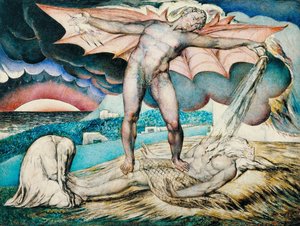
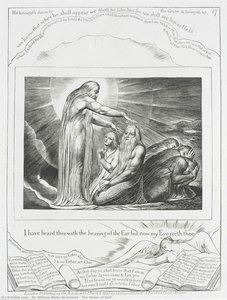
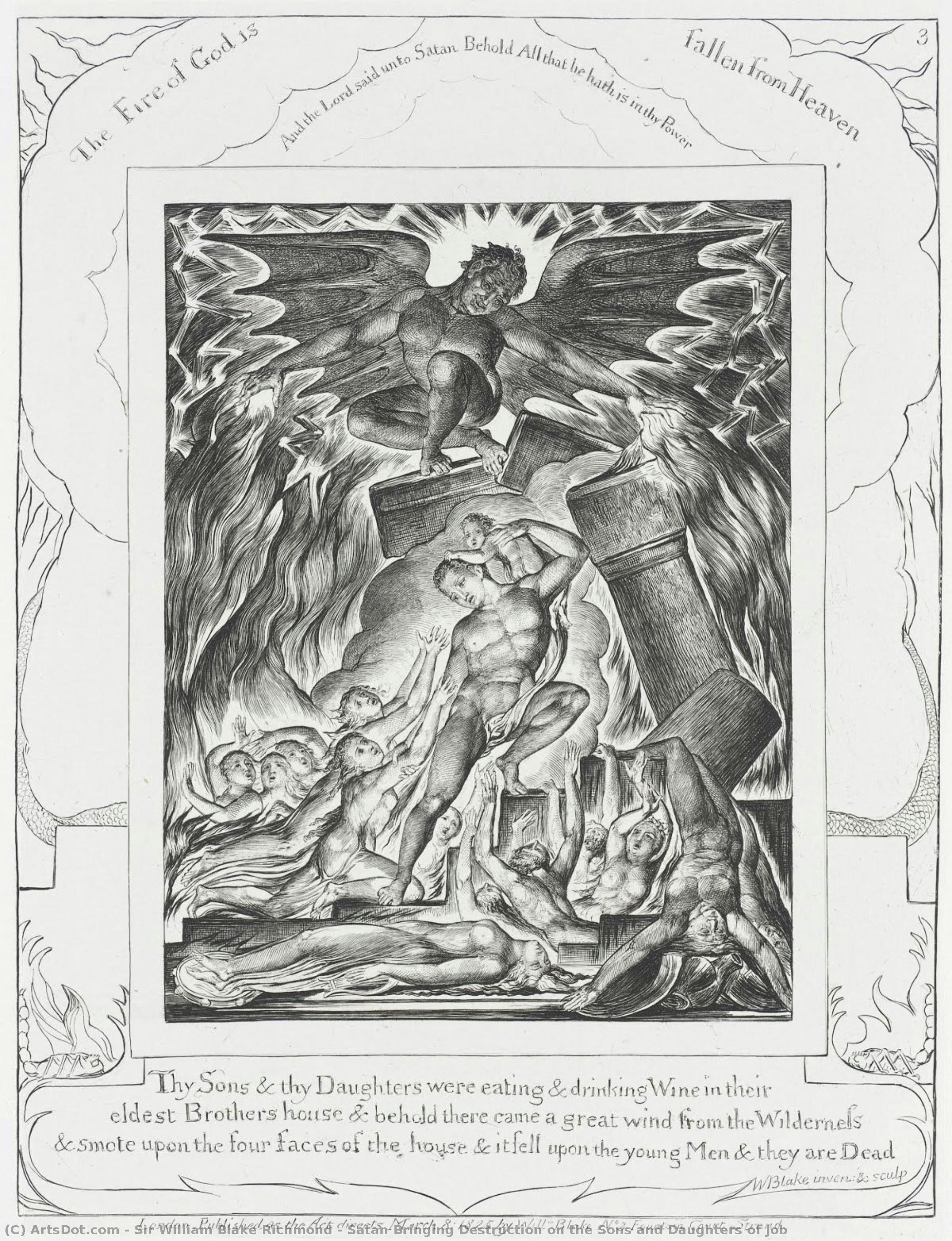
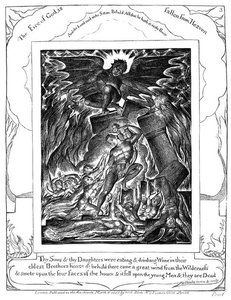
Satan Bringing Destruction on the Sons and Daughters of Job
 Engraving
- WallArt
- Romanticism
 1825
1825- 19th Century
 19.0 x 14.0 cm
 Museo de Arte del Condado de Los Ángeles
 Leer más
Reproducción al óleo hecha a mano
Óleo sobre lienzo pintado a mano en el tamaño y marco de su elección, realizado por encargo por nuestros artistas. ( Pedir impresión Comprar descarga)




P118B $10

P118H $10

P118W $10

P438Z $10

P508JH $12

P508YH $12

P805H $10

P805Z $10

P919BZ $10

P919G $10

P919XJ $10

P959ZH $10

P968JZ $12

W106C $8

W218G $10

W218JH $8

W218Y $10

W307PJ $10

W316G $10

W316PJ $8

W316Y $10

W398PJ $8

W4111J $10

W500HY $15

W500JH $15

W692G $12

W849H $8

W940BG $15

W953PJ $8




Elija entre nuestros tamaños predefinidos que respetan las proporciones originales de la obra.

Puede ingresar sus propias dimensiones para adaptarse a un marco o espacio específico. Si el tamaño seleccionado no coincide con las proporciones de la imagen original, recortaremos la obra o extenderemos la pintura con elementos adicionales pintados a mano. Se le enviará una maqueta digital para su aprobación antes de comenzar la producción.
Tenga en cuenta que la vista previa en pantalla no refleja el recorte o la extensión reales. Solo la maqueta mostrará con precisión la composición final.
Si bien existen tamaños personalizados, recomendamos seleccionar una dimensión de la lista predefinida para preservar las proporciones originales.
Tras realizar el pedido, el equipo de ArtsDot.com enviará un correo electrónico al cliente para solicitar instrucciones y proporcionarle una vista previa del boceto.
Envío a todo el mundo () en 3-4 semanas en lugar de las 5 semanas estándar. (21 agosto). Sin comprometer la calidad.

Envío exprés gratuito a todo el mundo

Lienzo de lino de alta calidad

Seguro de envío completo

Garantía de reembolso de aranceles aduaneros

Garantía de fidelidad cromática exacta

Política de devolución de 60 días (solo por defectos)

Garantía de devolución del 100% del dinero

Oferta por volumen
 La opción de vidrio solo está disponible en tamaños inferiores a 110 cm.

Satan Bringing Destruction on the Sons and Daughters of Job
Técnica de reproducción
Tamaño de la reproducción
-


Precio total
$ 438
Descripción de la obra
Satan Bringing Destruction on the Sons and Daughters of Job – A Romantic Vision of Suffering
The engraving “Satan Bringing Destruction on the Sons and Daughters of Job,” created by Sir William Blake Richmond in 1825, stands as a haunting testament to Romantic artistic sensibilities and a profound exploration of biblical themes. Produced during a period marked by fervent spiritual inquiry and an embrace of emotion over rationalism—the Aesthetic Movement’s precursor—this artwork transcends mere depiction; it strives to convey the visceral experience of divine judgment and the agonizing consequences of misplaced faith. Richmond's masterful use of etching technique, combined with his unwavering commitment to Blakean principles of line engraving, elevates this print beyond a simple illustration into a complex symbolic meditation on human vulnerability and moral responsibility.Composition and Technique: A Dance of Chaos
Richmond’s compositional strategy immediately establishes a dramatic tension. The central figure—Satan—descends from the upper right corner with forceful momentum, wielding an enormous dark object that crushes the figures below representing Job's children. This dynamic movement is countered by swirling patterns reminiscent of flames and wind, enveloping the scene and reinforcing the sense of impending devastation. Richmond’s meticulous attention to detail—evident in the expressive lines delineating musculature and clothing—is characteristic of Romantic art’s preoccupation with capturing psychological depth alongside visual grandeur. The engraver's burin tool meticulously etched lines into a copper plate, creating tonal variations that imbue the image with palpable texture and luminosity. Hatching and cross-hatching techniques skillfully define forms and contribute to the overall mood of oppressive darkness.Symbolism: Darkness Versus Light – Faith Tested
The artwork’s symbolism resonates deeply within the framework of biblical narrative and Romantic thought. Satan embodies evil temptation, representing a challenge to Job's unwavering belief in God—a belief that Richmond portrays as fundamentally flawed due to its adherence solely to legalistic observance. The crushed figures symbolize innocence and vulnerability, confronting the destructive force unleashed by divine retribution. Swirling patterns evoke chaos and torment, mirroring Job’s internal struggle with despair and anguish. Furthermore, Richmond incorporates quotations from scripture—particularly those emphasizing God's compassion—to underscore the transformative potential of spiritual enlightenment. This juxtaposition highlights the Romantic conviction that art should grapple with profound moral dilemmas and illuminate the human condition.Historical Context: Aestheticism and Blakean Influence
Richmond’s work emerged during a pivotal moment in British artistic history – the burgeoning Aesthetic Movement, which championed beauty as an end in itself and rejected didactic narratives. Influenced by William Blake's visionary aesthetic—characterized by mystical symbolism and expressive line engraving—Richmond sought to capture not merely what he saw but what he felt. The print’s stylistic echoes of Blake’s oeuvre underscore Richmond’s commitment to conveying emotion with uncompromising honesty, mirroring the Romantic impulse to confront existential anxieties. Its creation coincided with a broader cultural preoccupation with exploring themes of suffering and redemption, reflecting the intellectual currents shaping Victorian society.Emotional Impact: A Portrait of Despair
“Satan Bringing Destruction on the Sons and Daughters of Job” succeeds in eliciting a powerful emotional response from the viewer. The pervasive gloom—achieved through masterful use of tonal shading—captures the palpable horror of Job’s predicament, conveying the devastating consequences of misplaced faith. Richmond's expressive lines communicate anguish and terror, immersing the audience in the psychological drama unfolding before their eyes. Ultimately, this artwork serves as a poignant reminder of humanity’s susceptibility to evil and the imperative for genuine spiritual transformation—a theme that continues to resonate with audiences today.Obras relacionadas
Biografía del artista
Vida temprana e influencias
Sir William Blake Richmond, un renombrado pintor y retratista inglés, nació el 28 de marzo de 1809 en el Reino Unido. Su vida temprana estuvo marcada por su asociación con los Antiguos, un grupo de seguidores del visionario poeta y artista William Blake. Esta influencia se puede ver en las primeras obras de Richmond, como Abel el pastor y Cristo y la mujer de Samaria, expuestas en la Royal Academy en 1825.Aspectos destacados de su carrera
A medida que Richmond maduró, estableció una exitosa carrera como retratista, capturando la esencia de la gentry británica, la nobleza y la realeza. Su trabajo se caracteriza por su atención al detalle y la capacidad para transmitir la personalidad del sujeto. Entre sus obras notables se incluyen árboles en Bocca d'Arno y la corona de paz, que muestran su dominio del romanticismo.
Asociaciones y viajes notables
- En 1828, Richmond viajó a París para estudiar arte y anatomía, donde pasó un invierno en las escuelas y hospitales.
- Conoció a Beau Brummell en Calais, intercambiando pinzas de tabaco, marcando un encuentro significativo.
- Su asociación con Lord Sidmouth llevó a valiosos consejos y un retrato del lord, ahora en la National Portrait Gallery.
Vida posterior y legado
La vida posterior de Richmond vio un cambio hacia retratos más convencionales, pero su legado como retratista preeminente perdura. Falleció el 19 de marzo de 1896, dejando atrás una obra que continúa inspirando a artistas y entusiastas del arte por igual.
- Vea las obras de Sir William Blake Richmond en ArtsDot: https://ArtsDot.com/@/sir-william-blake-richmond
- Explore la colección del British Council, que presenta obras de artistas renombrados como Morris Louis, William Larkin y Alison Watt: /es/art/show/art-d3ckkb-es/
- Descubra más sobre los Antiguos y su influencia en la obra de Richmond: https://en.wikipedia.org/wiki/the_ancients
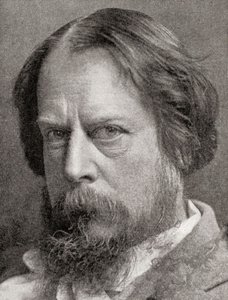
Sir William Blake Richmond
1809 - 1896 , Reino Unido
Datos clave
- Artistas Que Influyeron: ['William Blake']
- Fecha De Muerte: 19 de marzo de 1896
- Fecha De Nacimiento: 28 de marzo de 1809
- Lugar De Nacimiento: Brompton, Reino Unido
- Movimiento Artístico: Romanticismo
- Nacionalidad: Británico
- Nombre Completo: Sir William Blake Richmond
- Obras Notables:
- Ábel el pastor
- Cristo y la mujer samaritana
- Árboles en Bocca d'Arno
- La corona de paz
Artículos relacionados
Harold Copping: A Life Depicted – Exploring the Narrative Power of a Golden Age Illustrator
Explore the life and art of Harold Copping, renowned for his beautiful biblical illustrations and Victorian depictions. Discover the story behind 'The Copping Bible' and his lasting impact on religious art history.
Kay Rasmus Nielsen: A Golden Age Illustrator's Enchanting Legacy of Symbolism & Narrative
Explore the captivating world of Kay Rasmus Nielsen, a celebrated Golden Age illustrator renowned for his Art Nouveau fairy tale art & Disney contributions. Discover his unique style, enduring legacy, and how to collect his enchanting works.

Angelo Chiacchio: A Mid-Century American Illustration Master & the Rise of Commercial Art
Explore the captivating world of Angelo Chiacchio, a master of mid-century American illustration. Discover his evolution, signature style, and lasting impact on commercial art & design. Learn about his legacy at the Museum of American Illustration.
La Estética Refinada de la Ilustración Victoriana: Narrativa y Técnica en el Arte del Siglo XIX
Descubra la estética refinada de la ilustración victoriana y el impacto revolucionario de los Prerrafaelitas. Análisis profundo de técnicas, narrativa y simbolismo en el arte del siglo XIX.
Edmund Dulac: A Master of Golden Age Illustration – Exploring Myth, Symbolism & Art Nouveau Legacy
Explore the captivating world of Edmund Dulac, a master of Golden Age illustration! Discover his enchanting fairy tales, Art Nouveau style, and lasting influence on art & design. Learn about *The Rubaiyat* and more.