

 Vista previa
 Compartir
 Compartir
 Ver detalles

 Descargar
 Ver similares
 Radiografía
 Presentación de diapositivas
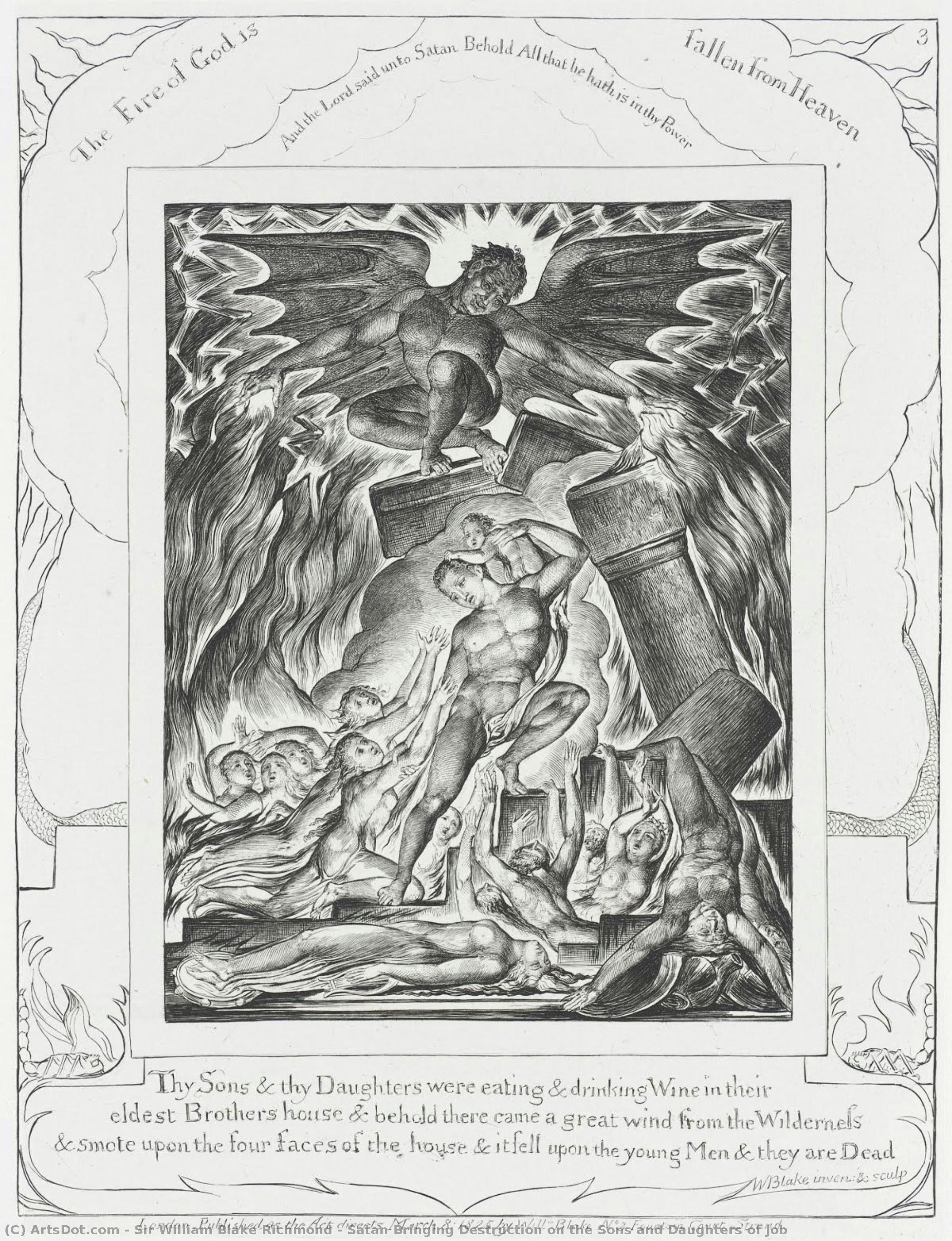
Satan Bringing Destruction on the Sons and Daughters of Job
 Engraving
- WallArt
- Romanticism
 1825
1825- 19th Century
 19.0 x 14.0 cm
 Museo de Arte del Condado de Los Ángeles
 Leer más
Adquiera una imagen digital de alta resolución y optimizada, muy superior a la vista previa en línea.
Cada archivo es preparado meticulosamente por nuestros especialistas internos mediante el uso de herramientas avanzadas y un experto retoque manual. Nos aseguramos de que cada imagen posea una claridad excepcional, una precisión cromática impecable y un detalle minucioso.
El archivo final se entrega por correo electrónico en un plazo de 72 horas, optimizado para su uso inmediato en entornos profesionales, editoriales y de impresión. Esta es la misma calidad en la que confían los estudios de diseño, las editoriales y las galerías de primer nivel.
Imagen Digital
Descarga un archivo de alta resolución para exhibición personal, impresión y proyectos creativos. ( Pedir impresión Encargar reproducción pintada a mano)
Incluido en cada compra de imágenes digitales
Entrega digital experta, garantizada.
Al elegir ArtsDot.com, no solo está adquiriendo una imagen; está recibiendo una obra de arte digital mejorada profesionalmente, elaborada con precisión y respaldada por una garantía de satisfacción. Esto es todo lo que incluye su pedido, automáticamente:

Entrega rápida por email
Recibirá su archivo de imagen digital en alta resolución por correo electrónico en un plazo de 72 horas tras realizar su pedido, listo para su uso inmediato.

Archivo digital optimizado por IA
Su obra de arte se optimiza profesionalmente mediante herramientas avanzadas de IA y edición manual, garantizando el máximo detalle, claridad y precisión cromática.

Reenvío gratuito de por vida
¿Has borrado o perdido tu archivo por error? No te preocupes: te lo volveremos a enviar en cualquier momento, sin coste adicional.

Sin gastos de importación, siempre
Disfrute de su obra de arte al instante sin aduanas, aranceles ni gastos de envío; las descargas digitales siempre están libres de impuestos.

Garantía de precisión de color
Garantizamos que su imagen digital refleje los colores originales con la mayor fidelidad posible, mediante el uso de herramientas profesionales y gestión del color.

Garantía de satisfacción de 60 días
Si no está satisfecho con su imagen digital, la revisaremos o le reembolsaremos el 100% en un plazo de 60 días, sin preguntas.

100% Garantía de devolución de dinero
¿No está satisfecho? Obtenga un reembolso completo dentro de los 60 días posteriores a la recepción de su archivo digital, sin necesidad de explicaciones.

Descuentos por volumen
Compra 3 imágenes, ahorra 10% - Compra 5, ahorra 15% - Compra 10+, ahorra 20%. Ideal para proyectos creativos, galerías y agencias.
Descripción del coleccionable
Satan Bringing Destruction on the Sons and Daughters of Job – A Romantic Vision of Suffering
The engraving “Satan Bringing Destruction on the Sons and Daughters of Job,” created by Sir William Blake Richmond in 1825, stands as a haunting testament to Romantic artistic sensibilities and a profound exploration of biblical themes. Produced during a period marked by fervent spiritual inquiry and an embrace of emotion over rationalism—the Aesthetic Movement’s precursor—this artwork transcends mere depiction; it strives to convey the visceral experience of divine judgment and the agonizing consequences of misplaced faith. Richmond's masterful use of etching technique, combined with his unwavering commitment to Blakean principles of line engraving, elevates this print beyond a simple illustration into a complex symbolic meditation on human vulnerability and moral responsibility.Composition and Technique: A Dance of Chaos
Richmond’s compositional strategy immediately establishes a dramatic tension. The central figure—Satan—descends from the upper right corner with forceful momentum, wielding an enormous dark object that crushes the figures below representing Job's children. This dynamic movement is countered by swirling patterns reminiscent of flames and wind, enveloping the scene and reinforcing the sense of impending devastation. Richmond’s meticulous attention to detail—evident in the expressive lines delineating musculature and clothing—is characteristic of Romantic art’s preoccupation with capturing psychological depth alongside visual grandeur. The engraver's burin tool meticulously etched lines into a copper plate, creating tonal variations that imbue the image with palpable texture and luminosity. Hatching and cross-hatching techniques skillfully define forms and contribute to the overall mood of oppressive darkness.Symbolism: Darkness Versus Light – Faith Tested
The artwork’s symbolism resonates deeply within the framework of biblical narrative and Romantic thought. Satan embodies evil temptation, representing a challenge to Job's unwavering belief in God—a belief that Richmond portrays as fundamentally flawed due to its adherence solely to legalistic observance. The crushed figures symbolize innocence and vulnerability, confronting the destructive force unleashed by divine retribution. Swirling patterns evoke chaos and torment, mirroring Job’s internal struggle with despair and anguish. Furthermore, Richmond incorporates quotations from scripture—particularly those emphasizing God's compassion—to underscore the transformative potential of spiritual enlightenment. This juxtaposition highlights the Romantic conviction that art should grapple with profound moral dilemmas and illuminate the human condition.Historical Context: Aestheticism and Blakean Influence
Richmond’s work emerged during a pivotal moment in British artistic history – the burgeoning Aesthetic Movement, which championed beauty as an end in itself and rejected didactic narratives. Influenced by William Blake's visionary aesthetic—characterized by mystical symbolism and expressive line engraving—Richmond sought to capture not merely what he saw but what he felt. The print’s stylistic echoes of Blake’s oeuvre underscore Richmond’s commitment to conveying emotion with uncompromising honesty, mirroring the Romantic impulse to confront existential anxieties. Its creation coincided with a broader cultural preoccupation with exploring themes of suffering and redemption, reflecting the intellectual currents shaping Victorian society.Emotional Impact: A Portrait of Despair
“Satan Bringing Destruction on the Sons and Daughters of Job” succeeds in eliciting a powerful emotional response from the viewer. The pervasive gloom—achieved through masterful use of tonal shading—captures the palpable horror of Job’s predicament, conveying the devastating consequences of misplaced faith. Richmond's expressive lines communicate anguish and terror, immersing the audience in the psychological drama unfolding before their eyes. Ultimately, this artwork serves as a poignant reminder of humanity’s susceptibility to evil and the imperative for genuine spiritual transformation—a theme that continues to resonate with audiences today.Obras relacionadas
Biografía del artista
Vida temprana e influencias
Sir William Blake Richmond, un renombrado pintor y retratista inglés, nació el 28 de marzo de 1809 en el Reino Unido. Su vida temprana estuvo marcada por su asociación con los Antiguos, un grupo de seguidores del visionario poeta y artista William Blake. Esta influencia se puede ver en las primeras obras de Richmond, como Abel el pastor y Cristo y la mujer de Samaria, expuestas en la Royal Academy en 1825.Aspectos destacados de su carrera
A medida que Richmond maduró, estableció una exitosa carrera como retratista, capturando la esencia de la gentry británica, la nobleza y la realeza. Su trabajo se caracteriza por su atención al detalle y la capacidad para transmitir la personalidad del sujeto. Entre sus obras notables se incluyen árboles en Bocca d'Arno y la corona de paz, que muestran su dominio del romanticismo.
Asociaciones y viajes notables
- En 1828, Richmond viajó a París para estudiar arte y anatomía, donde pasó un invierno en las escuelas y hospitales.
- Conoció a Beau Brummell en Calais, intercambiando pinzas de tabaco, marcando un encuentro significativo.
- Su asociación con Lord Sidmouth llevó a valiosos consejos y un retrato del lord, ahora en la National Portrait Gallery.
Vida posterior y legado
La vida posterior de Richmond vio un cambio hacia retratos más convencionales, pero su legado como retratista preeminente perdura. Falleció el 19 de marzo de 1896, dejando atrás una obra que continúa inspirando a artistas y entusiastas del arte por igual.
- Vea las obras de Sir William Blake Richmond en ArtsDot: https://ArtsDot.com/@/sir-william-blake-richmond
- Explore la colección del British Council, que presenta obras de artistas renombrados como Morris Louis, William Larkin y Alison Watt: /es/art/show/art-d3ckkb-es/
- Descubra más sobre los Antiguos y su influencia en la obra de Richmond: https://en.wikipedia.org/wiki/the_ancients
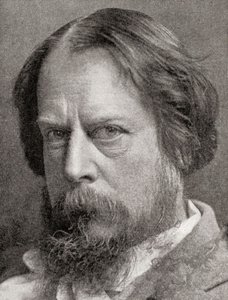
Sir William Blake Richmond
1809 - 1896 , Reino Unido
Datos clave
- Artistas Que Influyeron: ['William Blake']
- Fecha De Muerte: 19 de marzo de 1896
- Fecha De Nacimiento: 28 de marzo de 1809
- Lugar De Nacimiento: Brompton, Reino Unido
- Movimiento Artístico: Romanticismo
- Nacionalidad: Británico
- Nombre Completo: Sir William Blake Richmond
- Obras Notables:
- Ábel el pastor
- Cristo y la mujer samaritana
- Árboles en Bocca d'Arno
- La corona de paz

