 Ver en contexto
 Enviar
 Compartir
 Detalles

 Descargar
 Similares
 Radiografía
 Presentación de diapositivas
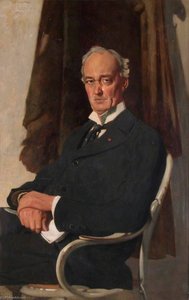
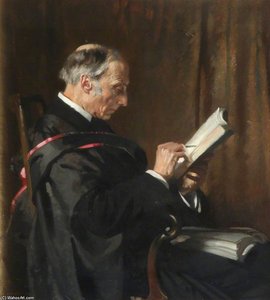
Sir Walter Tapper (1861–1935), RA, PRIBA
 Oil On Canvas
- WallArt
- Gothic Revival
 1929
1929 102.0 x 87.0 cm
 Colecciones de Dibujos y Archivos de la Biblioteca Riba
 Ver más
Reproducción al óleo hecha a mano
Óleo sobre lienzo pintado a mano en el tamaño y marco de su elección, realizado por encargo por nuestros artistas. ( Comprar impresión Comprar imagen)




P118B $10

P118H $10

P118W $10

P438Z $10

P508JH $12

P508YH $12

P805H $10

P805Z $10

P919BZ $10

P919G $10

P919XJ $10

P959ZH $10

P968JZ $12

W106C $8

W218G $10

W218JH $8

W218Y $10

W307PJ $10

W316G $10

W316PJ $8

W316Y $10

W398PJ $8

W4111J $10

W500HY $15

W500JH $15

W692G $12

W849H $8

W940BG $15

W953PJ $8




Elija entre nuestros tamaños predefinidos que respetan las proporciones originales de la obra.

Puede ingresar sus propias dimensiones para adaptarse a un marco o espacio específico. Si el tamaño seleccionado no coincide con las proporciones de la imagen original, recortaremos la obra o extenderemos la pintura con elementos adicionales pintados a mano. Se le enviará una maqueta digital para su aprobación antes de comenzar la producción.
Tenga en cuenta que la vista previa en pantalla no refleja el recorte o la extensión reales. Solo la maqueta mostrará con precisión la composición final.
Si bien existen tamaños personalizados, recomendamos seleccionar una dimensión de la lista predefinida para preservar las proporciones originales.
Tras realizar el pedido, el equipo de ArtsDot.com enviará un correo electrónico al cliente para solicitar instrucciones y proporcionarle una vista previa del boceto.
Envío a todo el mundo () en 3-4 semanas en lugar de las 5 semanas estándar. (30 agosto). Sin comprometer la calidad.

Envío exprés gratuito a todo el mundo

Lienzo de lino de alta calidad

Seguro de envío total

Garantía de reembolso de impuestos aduaneros

Garantía de fidelidad cromática exacta

Política de devolución de 60 días (solo por defectos)

Garantía de devolución del 100% del dinero

Descuento por cantidad
 La opción de vidrio solo está disponible en tamaños inferiores a 110 cm.

Sir Walter Tapper (1861–1935), RA, PRIBA
Técnica de reproducción
Dimensiones de la reproducción
-


Precio total final
$ 263
The Subject: A Man Defined by Presence
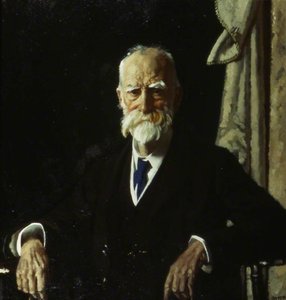
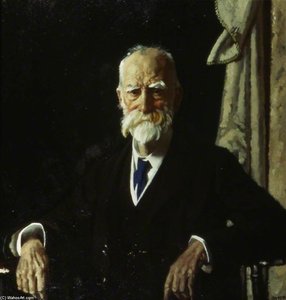
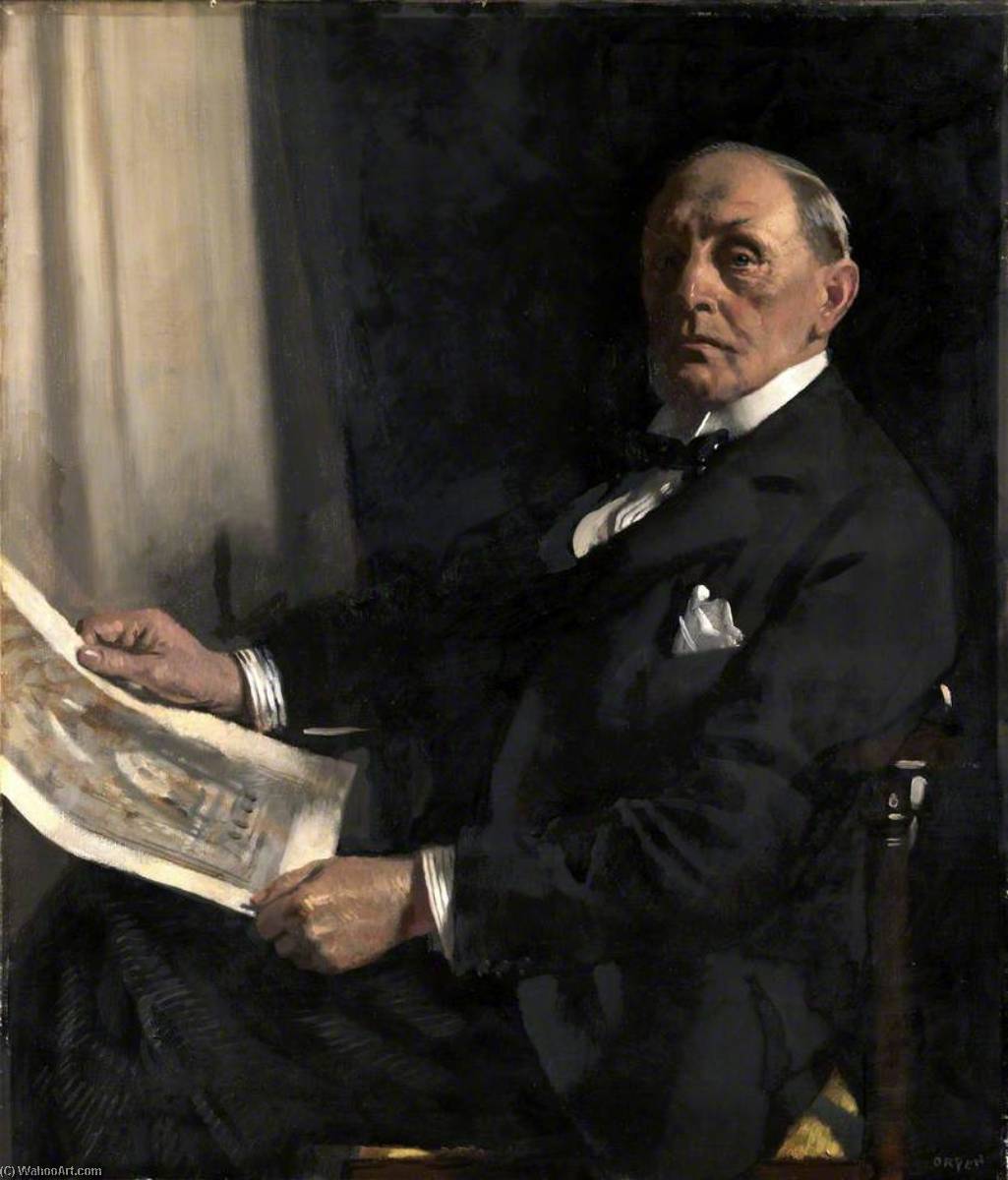
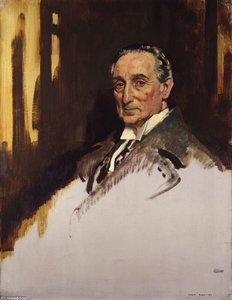
William Orpen’s “Sir Walter Tapper” isn't a painting that immediately assaults the senses with vibrant color or dramatic gesture. Instead, it offers a profound study in understated presence – a portrait of a man rendered with remarkable dignity and a subtle, almost melancholic reserve. Sir Walter John Tapper (1861–1935), a prominent English architect known for his contributions to ecclesiastical design, is captured here not as a figure of power or flamboyant self-regard, but as an individual quietly contemplating the world beyond the window before him. The sitter’s gaze, direct and unwavering, establishes an immediate connection with the viewer, inviting us into his considered thoughts.
Orpen meticulously details Tapper's attire: a dark suit and tie, indicative of his professional life, are complemented by a carefully knotted bow tie – a small detail that speaks volumes about his attention to formality and perhaps even a touch of self-awareness. The subtle lines etched around the eyes and mouth hint at years spent observing, judging, and navigating the complexities of both architectural design and social standing. It’s a portrait less concerned with immediate impressiveness and more invested in revealing the character beneath the surface.
The Style: A Blend of Realism and Impressionistic Sensitivity
Painted in 1929, “Sir Walter Tapper” exemplifies Orpen's distinctive style – a masterful synthesis of realism and impressionistic sensitivity. While rooted in meticulous observation and accurate depiction of form (particularly evident in the rendering of the sitter’s face and hands), the painting is infused with an atmospheric quality that transcends mere representation. Notice how the light, streaming through the window, isn’t simply illuminated; it's rendered with a loose, almost blurred technique, creating a sense of depth and suggesting movement within the scene.
Orpen’s use of color is restrained, favoring muted tones – browns, greys, and subtle blues – that contribute to the painting’s overall mood of quiet contemplation. He employs broken brushstrokes and layering of paint to create a textured surface, adding visual interest without disrupting the sense of realism. This technique allows the eye to wander across the canvas, absorbing the details and nuances of the composition.
Technique and Materials: A Masterful Approach
The painting is executed in oil on canvas, utilizing a layering technique that builds up depth and richness of color. Orpen’s masterful control of light and shadow is particularly noteworthy – he expertly captures the way light falls across Tapper's face and clothing, creating a sense of volume and three-dimensionality. The artist’s attention to detail extends beyond the figure itself; observe the subtle textures of the fabric, the reflections in the windowpane, and the delicate rendering of the background elements.
The canvas size – 102 x 87 cm – is perfectly suited to the intimate scale of the portrait, allowing Orpen to focus on capturing Tapper’s likeness with precision and nuance. The composition itself—the sitter centered within the frame, framed by the window—creates a sense of stability and formality, reflecting the subject's professional standing.
Historical Context and Symbolism: A Portrait of an Era
“Sir Walter Tapper” was created during a period of significant social and cultural change in Britain. The early 20th century witnessed the rise of modern architecture, the decline of traditional values, and increasing anxieties about the future. Tapper himself represented a figure of stability and tradition – an architect deeply rooted in the Gothic Revival style, a movement that sought to recapture the grandeur and spiritual significance of medieval architecture.
The window behind Tapper serves as more than just a backdrop; it symbolizes his connection to the outside world, perhaps representing both opportunity and constraint. His contemplative gaze suggests a man wrestling with the challenges and responsibilities of his position, reflecting the broader uncertainties of the era. The portrait, therefore, becomes not only a likeness but also a subtle commentary on the social and intellectual landscape of its time.
The inclusion of other figures in the background—though indistinct—hints at the presence of a wider community, suggesting Tapper’s role as a respected member of society. The overall effect is one of quiet dignity and understated complexity – a portrait that rewards careful observation and invites contemplation long after the initial viewing.
Obras relacionadas

Biografía del artista
Primeros años y formación
Sir William Newenham Montague Orpen, un renombrado artista irlandés, nació el 27 de noviembre de 1878 en Stillorgan, condado de Dublín. Era el cuarto y más joven hijo de Arthur Herbert Orpen, abogado, y Anne Caulfield, pintora aficionada. La primera infancia de Orpen estuvo marcada por una feliz niñez en Oriel, una gran casa con extensos terrenos. El talento artístico de Orpen fue evidente desde temprana edad. A los 13 años, se inscribió en la Escuela de Arte Metropolitana de Dublín, donde ganó todos los premios principales y la medalla de oro para dibujo a vivo de las Islas Británicas. Posteriormente estudió en la Slade School of Art entre 1897 y 1899, dominando la pintura al óleo y experimentando con diversas técnicas.Carrera artística
La carrera artística de Orpen se caracterizó por su excelente dominio del dibujo y sus exitosos retratos comercialmente rentables de la alta sociedad eduardiana. Sin embargo, muchas de sus pinturas más impactantes son autorretratos. Durante la Primera Guerra Mundial, fue el artista oficial más prolífico, produciendo 138 dibujos y pinturas que donó al gobierno británico y que ahora forman parte de la colección del Imperial War Museum.- Las conexiones de Sir William Newenham Montague Orpen con los rangos superiores del ejército británico le permitieron permanecer más tiempo en Francia que otros artistas de guerra oficiales.
- Fue nombrado Caballero Comendador de la Orden del Imperio Británico en 1918 y elegido miembro de la Royal Academy of Arts.
- La determinación de Orpen de servir como artista de guerra le costó tanto su salud como su posición social en Inglaterra.
Obras notables y legado
- La escena de la obra Hamlet, una pintura de dos metros de ancho, ganó el premio Slade Composition Prize en 1899.
- El espejo, expuesta en el New English Art Club en 1900, hace referencia al retrato de Arnolfini de Jan van Eyck y a elementos de los interiores holandeses del siglo XVII.
- Mediodía en la playa, expuesta en el New English Art Club en 1910, muestra su distintivo estilo *plein-air*.
Museos y colecciones
- El Imperial War Museum alberga las 138 obras donadas por Orpen, incluidos dibujos y pinturas de la Primera Guerra Mundial.
- La colección del British Council, operada por la Galería de Arte Hugh Lane y el Ayuntamiento de Dublín, presenta una amplia gama de obras de arte, incluidas las de artistas reconocidos como Morris Louis, William Larkin y Alison Watt.
- El museo de la Facultad de Lengua Inglesa y Literatura en Oxford, Reino Unido, es un tesoro para los entusiastas de la literatura, con obras de arte que muestran la rica historia de la literatura inglesa.
Conclusión
El legado artístico de Sir William Newenham Montague Orpen es un testimonio de su maestría en el retrato eduardiano. Sus contribuciones a la colección del Imperial War Museum y su impacto en la escena artística británica son innegables. Explore más obras de Orpen y otros artistas notables en ArtsDot.com, y descubra el mundo del arte con las tranquilas escenas de género de Gerard ter Borch o los meticulosos grabados de Edward Fisher.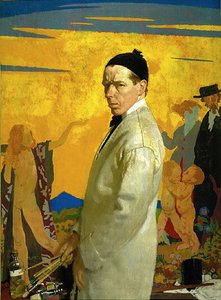
Sir William Newenham Montague Orpen
1878 - 1931 , Irlanda
Datos clave
- Artistas Que Influyeron: ['Jan van Eyck']
- Estilo Artístico: Realismo, Plein-air
- Fecha De Fallecimiento: 1931
- Fecha De Nacimiento: 27 de noviembre de 1878
- Lugar De Nacimiento: Stillorgan, Irlanda
- Nacionalidad: Irlandés
- Nombre Completo: Sir William Newenham Montague Orpen
- Obras Notables:
- The Play Scene from Hamlet
- The Mirror
- Midday on the Beach
Artículos relacionados
Sir Joshua Reynolds: Las 25 Obras Maestras del Retrato Inglés | ArtsDot
Descubre las 25 obras maestras de Sir Joshua Reynolds, el pintor inglés que elevó el retrato a la categoría de arte. Explora su técnica clásica, estilo rococó y significado histórico en ArtsDot.com. ¡Encuentra reproducciones de alta calidad para tu hogar!

Alfred Munnings: Las 25 Obras Maestras del Pintor de Caballos | ArtsDot
Descubre las 25 obras maestras de Alfred Munnings, el pintor británico de caballos por excelencia. Explora su impresionismo inglés, escenas campestres y técnica única. Encuentra reproducciones de arte de alta calidad en ArtsDot.com.
Sir William Orpen: A Study in Edwardian Portraiture & the Shadows of Modernity
Explore the life & art of Sir William Orpen, a master of Edwardian portraiture and poignant WWI depictions. Discover his unique realism, psychological depth, and enduring legacy in this insightful analysis.
Walter Greaves: A Study in Victorian Realism & the Social Landscape of British Art
Explore the life & work of Walter Greaves, a key Victorian realist painter influenced by Whistler. Discover his London streetscapes, portraits, and enduring legacy. Learn about art appraisal & reproduction options at ArtsDot.
Sir William Blake Richmond: A Visionary of Aestheticism & Symbolism
Explore the life & art of Sir William Blake Richmond, a pivotal figure bridging Pre-Raphaelitism and Aestheticism. Discover his stunning portraits, mosaics at St Paul's Cathedral, and lasting influence on Victorian art.