

 Enviar
 Compartir
 Detalles

 Descargar
 Similares
 Presentación de diapositivas
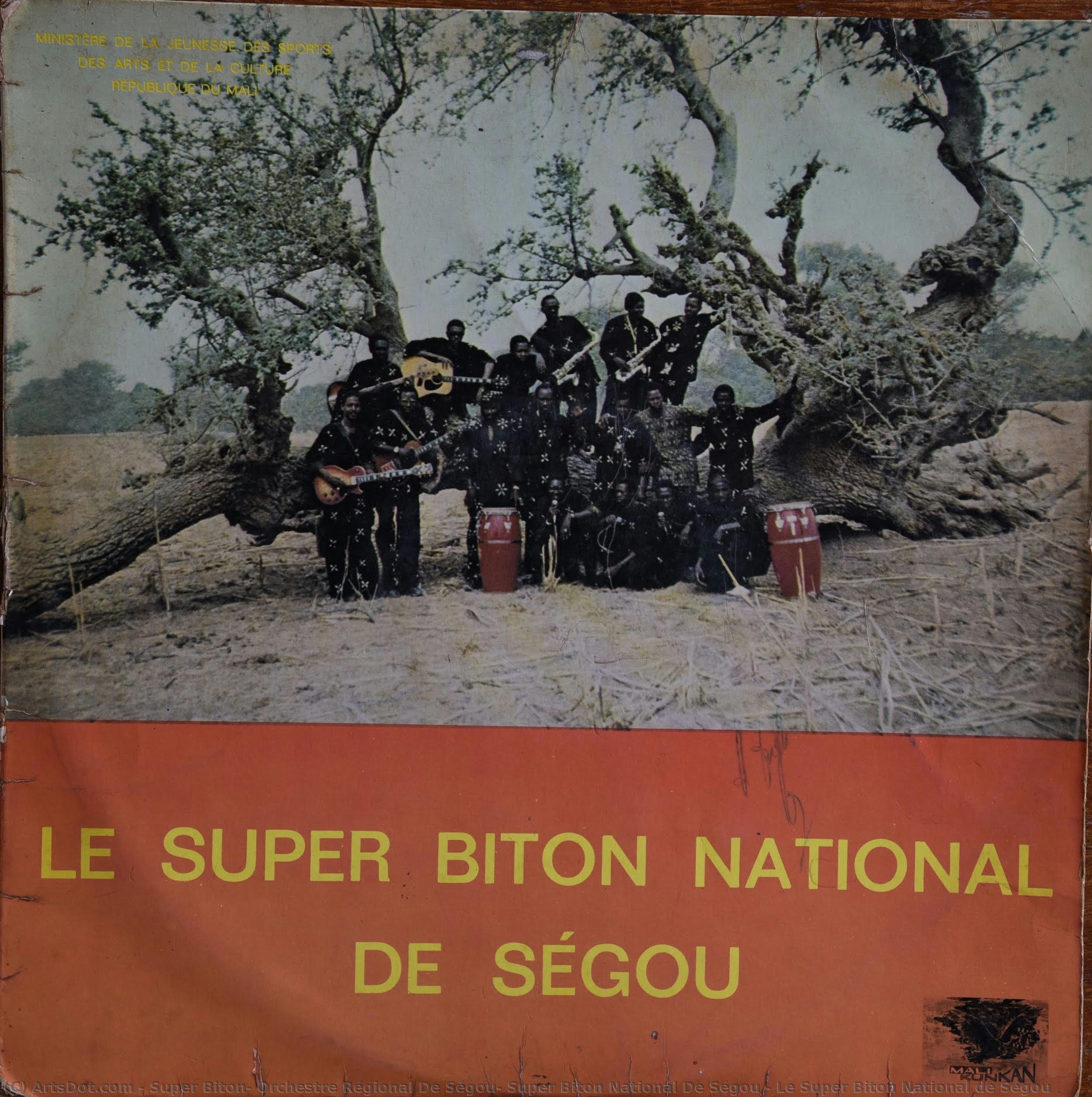
Le Super Biton National de Ségou


 Ver más
Adquiera una imagen digital de alta resolución y optimizada, muy superior a la vista previa en línea.
Cada archivo es preparado meticulosamente por nuestros especialistas internos mediante el uso de herramientas avanzadas y un experto retoque manual. Nos aseguramos de que cada imagen posea una claridad excepcional, una precisión cromática impecable y un detalle minucioso.
El archivo final se entrega por correo electrónico en un plazo de 72 horas, optimizado para su uso inmediato en entornos profesionales, editoriales y de impresión. Esta es la misma calidad en la que confían los estudios de diseño, las editoriales y las galerías de primer nivel.
Imagen Digital
Descarga un archivo de alta resolución para exhibición personal, impresión y proyectos creativos. ( Comprar impresión Comprar pintura hecha a mano)
Incluido en cada pedido de imágenes digitales
Entrega digital experta, garantizada.
Al elegir ArtsDot.com, no solo está adquiriendo una imagen; está recibiendo una obra de arte digital mejorada profesionalmente, elaborada con precisión y respaldada por una garantía de satisfacción. Esto es todo lo que incluye su pedido, automáticamente:

Entrega rápida por email
Recibirá su archivo de imagen digital en alta resolución por correo electrónico en un plazo de 72 horas tras realizar su pedido, listo para su uso inmediato.

Archivo digital optimizado por IA
Su obra de arte se optimiza profesionalmente mediante herramientas avanzadas de IA y edición manual, garantizando el máximo detalle, claridad y precisión cromática.

Reenvío gratuito de por vida
¿Has borrado o perdido tu archivo por error? No te preocupes: te lo volveremos a enviar en cualquier momento, sin coste adicional.

Sin gastos de importación, siempre
Disfrute de su obra de arte al instante sin aduanas, aranceles ni gastos de envío; las descargas digitales siempre están libres de impuestos.

Garantía de fidelidad de color
Garantizamos que su imagen digital refleje los colores originales con la mayor fidelidad posible, mediante el uso de herramientas profesionales y gestión del color.

Garantía de satisfacción de 60 días
Si no está satisfecho con su imagen digital, la revisaremos o le reembolsaremos el 100% en un plazo de 60 días, sin preguntas.

100% Garantía de devolución de dinero
¿No está satisfecho? Obtenga un reembolso completo dentro de los 60 días posteriores a la recepción de su archivo digital, sin necesidad de explicaciones.

Descuentos por pedidos grandes
Compra 3 imágenes, ahorra 10% - Compra 5, ahorra 15% - Compra 10+, ahorra 20%. Ideal para proyectos creativos, galerías y agencias.
A Timeless Echo of Malian Rhythm
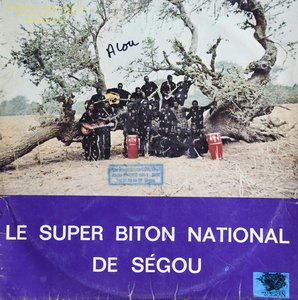
In this evocative 1977 black and white photograph, we are transported to a pivotal moment in West African musical history. The image captures the legendary ensemble, Le Super Biton National de Ségou, frozen in a moment of quiet camaraderie before the storm of their rhythmic performance. There is an undeniable gravity to the scene; the group of musicians poses with a dignified presence against the organic backdrop of a solitary tree, creating a composition that balances human artistry with the raw beauty of the natural landscape. The monochromatic palette strips away the distractions of color, forcing the viewer to focus on the textures of the instruments, the expressions of the men, and the profound sense of cultural identity that radiates from the frame.
The photograph serves as a visual testament to the era of Mali's national orchestras, where music was not merely entertainment but a vital pillar of nation-building. As the musicians hold their guitars and stand beside their percussion, one can almost hear the phantom echoes of bambara jazz—a sophisticated fusion of traditional Malian rhythms and the infectious swing of Cuban influences. The presence of the instruments is deeply symbolic; they are not just tools of a trade, but bridges between ancestral heritage and the modernizing world of the late twentieth century. Each guitar and drum represents a heartbeat of the Ségou region, contributing to a collective voice that sought to define a new, independent Malian spirit.
For the discerning collector or interior designer, this piece offers much more than a historical record; it provides an atmospheric soul for any curated space. The stark contrast and rich tonal range of the black and white medium lend the photograph a timeless elegance that complements both contemporary minimalist interiors and classic, richly textured rooms. It is a conversation starter that invites contemplation on themes of community, resilience, and the enduring power of art. Bringing a reproduction of this work into a home or gallery is an act of preserving a rare glimpse into Mali's musical golden age, offering an emotional depth that resonates long after the first glance.
To possess such a piece is to hold a fragment of a cultural movement. It captures the essence of a time when Super Biton stood as the rhythmic soul of a nation, weaving together the threads of tradition and innovation. Whether displayed in a study, a creative studio, or a sophisticated living area, this photograph serves as a window into a world of profound musical heritage, making it an essential acquisition for those who value art that tells a story of triumph, identity, and unyielding rhythm.
Obras relacionadas


Biografía del artista
The Rhythmic Soul of Mali: Super Biton de Ségou
Super Biton de Ségou, a name synonymous with the vibrant musical landscape of Mali, represents more than just a band; it embodies a cultural movement that blossomed in the 1970s and continues to resonate today. Emerging from the historic city of Ségou in the 1960s, this ensemble rose to prominence as the nation’s orchestra, weaving together traditional Bambara rhythms with influences from Cuban jazz and other West African styles. Their story is one of artistic innovation, national pride, and resilience, marked by periods of flourishing success followed by challenges and a triumphant return.
Origins and Early Evolution
The seeds of Super Biton were sown in the mid-1960s, a period of burgeoning independence across Africa. Mali’s government actively fostered regional orchestras as part of its national identity building efforts, encouraging them to compete in events like the “Semaines Nationales” – later known as Biennales. The orchestra that would become Super Biton initially formed as one such regional ensemble representing Ségou. Early success at these competitions laid the foundation for their growing popularity and recognition. The band’s name itself is a tribute to Bitòn Coulibaly, a legendary leader of the Bamana kingdom, immediately grounding their music in a rich historical context.
A pivotal moment arrived in 1970 with the inaugural Biennale culturelle, established by President Moussa Traoré. This event propelled Super Biton into national stardom, and they began to distinguish themselves through a deliberate fusion of traditional Bambara dance rhythms with contemporary instrumentation – horns, guitars, and percussion. This wasn’t merely an aesthetic choice; it was a conscious effort to create music that reflected the diverse cultural tapestry of Mali, incorporating elements from Fulani, Mandingo, and Somono traditions alongside their core Bambara influences.
The Golden Age: National Orchestra Status
By the mid-1970s, Super Biton had earned the title of “national orchestra,” a testament to their widespread appeal and cultural significance. The band swelled in size, reaching up to 19 members, and amassed an impressive repertoire of over 200 songs. This period was characterized by a unique mandate: to showcase Mali’s rich heritage through music that was both entertaining and educational. Vocalists like Mamadou Doumbia (“Percé”), Toussaint Siané, and Papa Gaoussou Diarra (“Papus”) became household names, while the dynamic guitar work of Mama Sissoko and the arrangements led by Amadou Bâ defined their signature sound.
The band’s music wasn't simply about entertainment; it was deeply intertwined with the socio-political climate of the time. Songs were intended to inspire hard work, courage, and national pride among Malian youth. They even ventured into fieldwork, recording traditional ceremonial songs from rural communities – a testament to their commitment to preserving and celebrating Mali’s diverse oral traditions. Albums released under the name Super Biton National de Ségou further solidified their position as cultural ambassadors.
Challenges and Rebirth
The late 1980s brought significant challenges for Super Biton. Their status as civil servants, while providing stability, also created limitations. Internal tensions, the loss of key members, and financial difficulties led to a decline in activity after 1986, following Amadou Bâ’s departure. The band faced near-disintegration, with some musicians retiring from music altogether.
However, the story didn't end there. In 2001, Super Biton experienced a remarkable rebirth, fueled by a renewed interest in their music and the opportunity to perform at the annual Festival sur le Niger in Ségou. Guitarist Mama Sissoko stepped into the role of band leader, assembling a new lineup that included original members like Toussaint and Papus alongside fresh talent. This re-formed Super Biton not only revived their classic sound but also introduced it to a new generation of listeners.
Legacy and Historical Significance
Super Biton de Ségou’s enduring legacy lies in their pioneering fusion of traditional Malian music with contemporary jazz influences, creating a uniquely vibrant and captivating sound. They were instrumental in establishing a national musical identity for Mali during a crucial period of post-colonial development. Their commitment to preserving cultural heritage through fieldwork and incorporating diverse regional traditions set them apart as more than just performers; they were cultural custodians.
Today, Super Biton continues to perform, captivating audiences with their infectious energy and timeless melodies. They stand as a powerful symbol of Mali’s rich musical history and a testament to the enduring power of artistic collaboration and cultural pride. Their music remains a vital force in the West African soundscape, inspiring musicians and celebrating the soul of a nation.
Breves datos
- Artistic Movement Or Style: African jazz, Bambara music
- Full Name: Super Biton de Ségou
- Origin: Ségou, Mali
- Other Names:
- Orchestre Régional de Segou
- Super Biton National de Ségou

