
The Architectural Canvas: Aligning Scale with Spatial Psychology
 From Vision to Wall: The Interior Designer’s Definitive Guide to Commissioning Bespoke Large-Scale Murals
The Architectural Canvas: Defining Narrative through Scale and Spatial Psychology From Vision to Wall: The Interior Designer’s Definitive Guide to Commissioning Bespoke Large-Scale Murals Defining the Narrative: Aligning Mural Scale with Architectura...
In the rarefied world of luxury hospitality, a wall is never merely a boundary; it is a canvas for storytelling that breathes life into the very soul of a building. For the discerning hotel designer, the challenge lies in transcending the transient nature of decor to create an immersive atmosphere that resonates with the architecture itself. When we consider the profound impact of scale, we are not simply discussing square footage, but rather the emotional weight an image carries when it envelops a guest's entire field of vision. A large-scale mural possesses the unique power to alter the perceived dimensions of a grand lobby or deepen the intimacy of a private suite, acting as a silent protagonist within the design narrative.
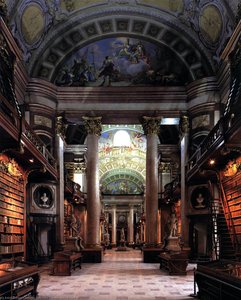
The success of such a commission begins with a deep understanding of spatial psychology. A grand, sweeping fresco in a high-ceilinged atrium can evoke the celestial awe found in Renaissance chapels, while a more restrained, geometric abstraction might provide a grounding, modern sophistication to a contemporary lounge. The intention must be singular: to harmonize the artwork with the structural rhythm of the building. Whether one is seeking to replicate the dramatic intensity of devotional works or the rhythmic precision of modern wall drawings, the mural must feel as though it emerged from the very bones of the architecture, rather than being merely applied to its surface.
Curating the Narrative: From Renaissance Grandeur to Modern Abstraction
 Elevating Interiors: How Murals are Redefining Kitchens and Bathrooms
The Resurgence of Mural Art: A Historical Perspective Draft for Mural In The Unjuried Art Show, Wall B Explore Wassily Kandinsky’s ‘Draft for Mural,’ a groundbreaking abstract work! Discover its dynamic composition, Constructivist roots & lasting inf...
To curate a space is to navigate the vast currents of art history. Throughout the ages, large-scale wall art has served as a powerful medium for reflecting societal values and historical narratives. We see this in the ancient echoes of the cave paintings at Lascolas or the breathtaking Renaissance frescoes that adorn Italian catlevated cathedrals. In the 20th century, the movement reached new heights of social commentary through Mexican Muralism, where masters like Diego Rivera utilized public spaces to celebrate national identity and industrial labor.
In a contemporary luxury setting, this historical lineage can be leveraged to establish brand heritage. A classic, representational mural might evoke a sense of timeless tradition in a heritage hotel lobby, whereas a vibrant, abstract composition could signal innovation and creativity within a modern boutique space. By selecting styles that range from the textured intensity of Abstract Expressionism to the light-drenched serenity of Impressionism, a designer can dictate the emotional temperature of a room, ensuring that every brushstroke contributes to a cohesive brand identity.
Bespoke Dimensions: Navigating Custom Sizes and Multi-Panel Configurations
 Bespoke
Bespoke ( ) describes any item commissioned to a particular specification, altered or tailored to the customs, tastes, or usage of an individual purchaser. In contemporary usage, "bespoke" has become a general marketing and branding concept implying ...
The true luxury of bespoke art lies in its ability to defy standard proportions. In many architectural projects, the constraints of pre-made canvases are an obstacle to perfection. This is where the concept of custom sizing becomes transformative. For expansive corridors or wide, sweeping staircases, the multi-panel trend offers a sophisticated solution. By splitting a single, continuous image across three, four, or even five panels, a designer can create a rhythmic, modern installation that guides the eye through a space.
These configurations allow for a seamless flow of color and composition, ensuring that the artwork feels integrated into the architectural rhythm rather than interrupted by it. Whether it is a massive canvas roll designed to be installed like high-end wallpaper or an engineered multi-panel set, the ability to dictate dimensions ensures that the art respects the structural boundaries of the room. This precision allows for the creation of "architectural art" that can even recreate historical grandeur, such as the illusion of a Renaissance ceiling, within any modern footprint.
The Art of the Remix: Tailoring Subject Matter and Period Styles for Brand Identity
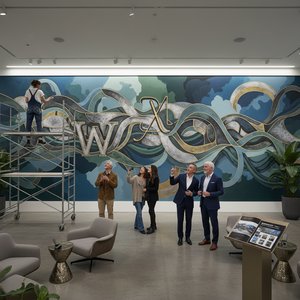 Transforming Spaces: How Custom Murals Forge Brand Identity & Enhance Customer Experience
The Enduring Power of Murals: Beyond Decoration Draft for Mural In The Unjuried Art Show, Wall B Explore Wassily Kandinsky’s ‘Draft for Mural,’ a groundbreaking abstract work! Discover its dynamic composition, Constructivist roots & lasting influence...
Beyond mere sizing, the pinnacle of bespoke commissioning is the ability to "remix" art history to suit a specific brand vision. We are no longer bound by the rigid boundaries of what was originally painted; instead, we can engage in a creative dialogue with the masters. Imagine the impact of requesting a contemporary photograph to be reimagined through the thick, impasto brushstrokes of Van Gogh, or transforming a modern portrait into a 17th-century masterpiece in the style of Rembrandt. This "period shifting" allows designers to bridge the gap between the contemporary and the classical.
This level of customization extends to color palettes and subject matter as well. A designer can request specific tonal ranges to match a bespoke upholstery or even use AI-driven tools to reconstruct personal milestones into Cubist or Surrealist forms. This capability ensures that the artwork is not just a decoration, but a tailored manifestation of the hotel's unique identity, capable of forging lasting connections with guests through personalized and impactful design.
Technical Excellence: Ensuring Longevity and Preservation in High-Traffic Interiors
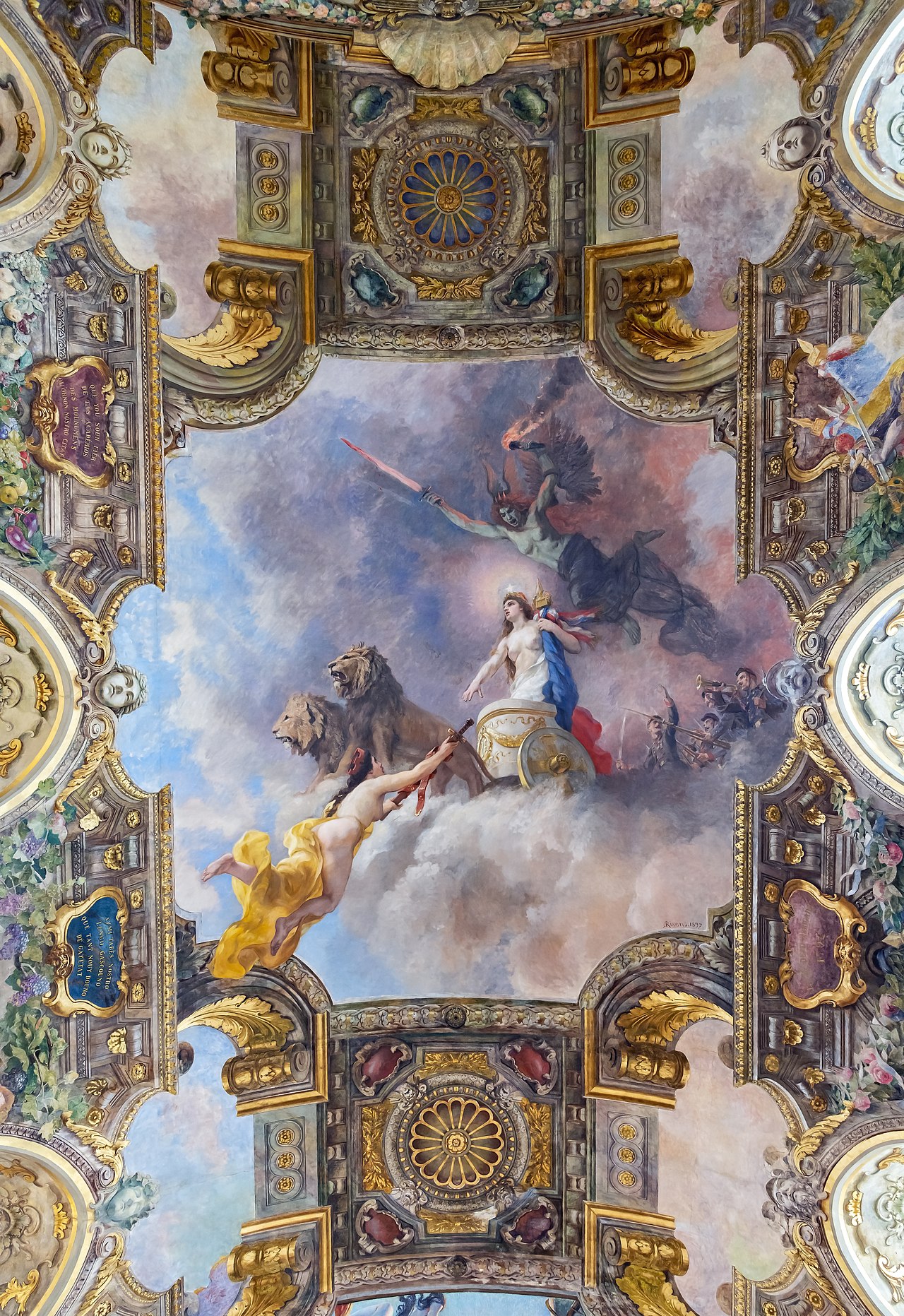 Mural
MuralA mural is any piece of graphic artwork that is painted or applied directly to a wall, ceiling or other permanent substrate. Mural techniques include fresco, mosaic, graffiti and marouflage. == Word mural in art == The word mural is a Spanish adjecti...
For the hospitality professional, beauty must be matched by durability. An investment in fine art is only as good as its ability to withstand the rigors of a high-traffic environment. True museum-grade reproductions rely on the chemistry of art—using flexible gesso to prevent cracking and specific oils, such as safflower, for whites to prevent the dreaded yellowing over time. Every hand-painted oil piece should be finished with a protective coat of Damar varnish, shielding the surface from dust, moisture, and atmospheric pollutants.
Furthermore, the technical integrity of the mounting is paramount. For framed works, using reinforced, braced stretcher bars prevents warping, while for prints, utilizing acid-free matting creates an essential air gap between the pigment and the glass to prevent moisture damage. When commissioning large-scale works, understanding the logistics of materials—from 100% cotton canvases to archival 12-color inks—is vital to ensuring that the vibrant colors and deep tonal ranges remain as striking in a decade as they are on the day of installation.
Seamless Execution: Managing the Commissioning Process from Vision to Installation
 From Vision to Masterpiece: The Interior Designer’s Definitive Guide to Commissioning Bespoke Large-Scale Murals
The Architectural Canvas: Aligning Mural Scale with Spatial Psychology From Vision to Wall: The Interior Designer’s Definitive Guide to Commissioning Bespoke Large-Scale Murals Defining the Narrative: Aligning Mural Scale with Architectural Intent In...
The journey from an initial concept to a finished masterpiece requires meticulous coordination. A professional commissioning process begins with a digital mockup service, allowing designers to visualize the composition and adjust colors before a single drop of paint touches the canvas. This stage is essential for complex orders, such as group portraits or large-scale murals, where uncertainty must be removed through visual confirmation. As the artist meticulously layers oil paint over several weeks, the Project Coordinator serves as the vital link, providing updates and ensuring that every detail aligns with the designer's original intent.
The final stages of execution involve a rigorous quality control process, including pre-shipment photography for client approval. Once the artwork is perfected, it is prepared for global transit using industrial-grade packaging—3mm tubes for rolled art and reinforced double-walled boxes for framed pieces. When handled through a professional B2B framework, this process includes everything from tax-compliant documentation to white-label shipping, allowing the designer to present a finished, flawless installation to their client. At ArtsDot.com, we specialize in this end-to-end excellence, providing the global infrastructure necessary to turn architectural visions into enduring legacies.