

 プレビュー
プレビュー
 プリントを購入
 シェアする
シェアする シェアする
シェアする
 詳細を見る
詳細を見る

 ダウンロード
 似ている作品
 X線調査
X線調査 スライドショー
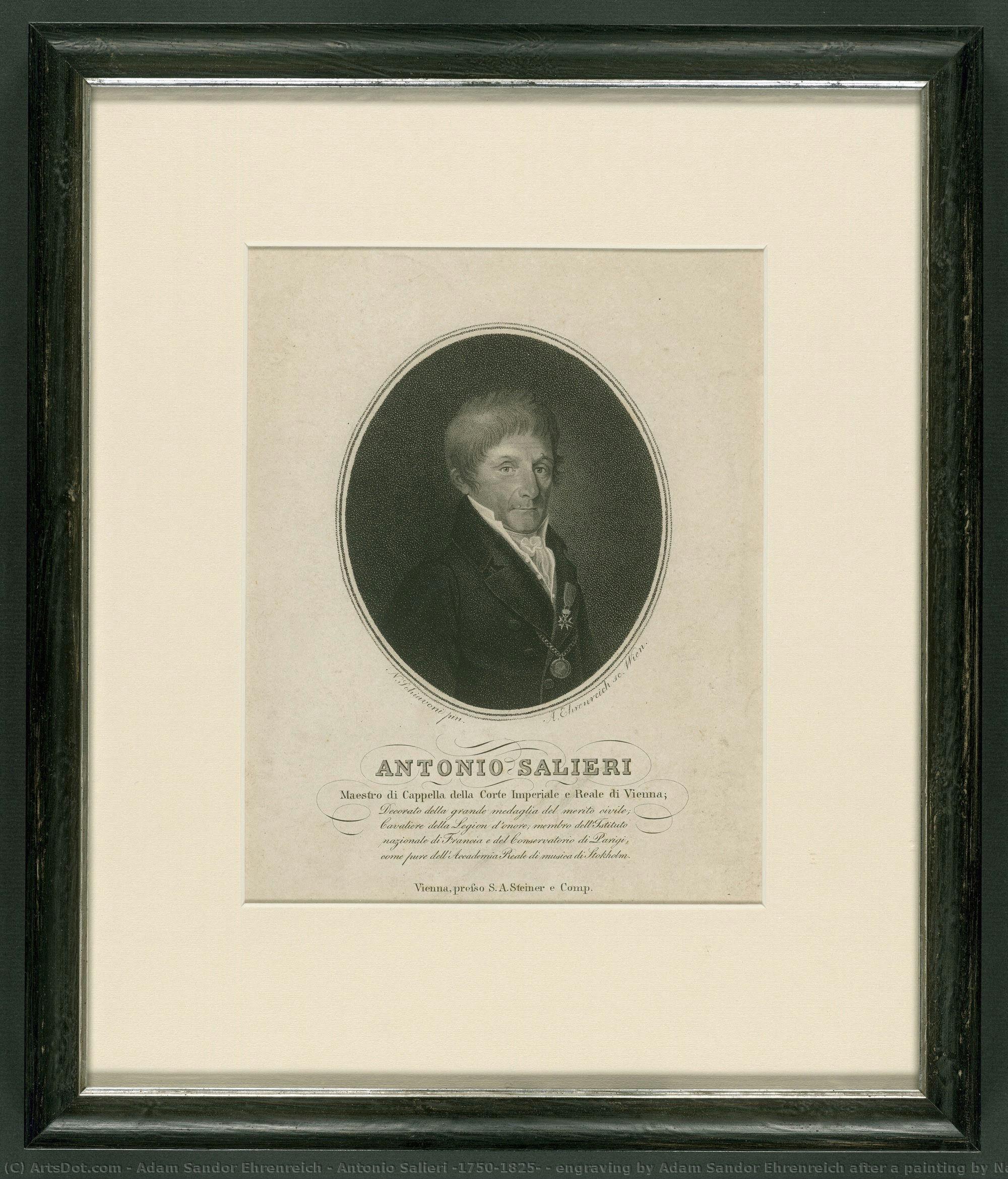
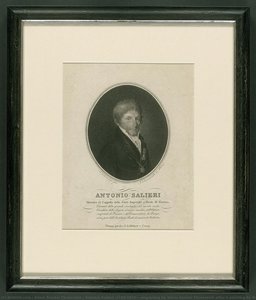
Antonio Salieri (1750-1825) - engraving by Adam Sandor Ehrenreich after a painting by Natale Schiavoni, published by Steiner, Vienna, 1810
 Engraving
- Neoclassicism
 1810
1810- 19th Century
 40.0 x 33.0 cm
 Beethoven-Haus Bonn
 詳細を見る
詳細を見る




P118B $10

P118H $10

P118W $10

P438Z $10

P508JH $12

P508YH $12

P805H $10

P805Z $10

P919BZ $10

P919G $10

P919XJ $10

P959ZH $10

P968JZ $12

W106C $8

W218G $10

W218JH $8

W218Y $10

W307PJ $10

W316G $10

W316PJ $8

W316Y $10

W398PJ $8

W4111J $10

W500HY $15

W500JH $15

W692G $12

W849H $8

W940BG $15

W953PJ $8




作品のオリジナル比率に合わせた、当店の規定サイズからお選びください。

特定のフレームやスペースに合わせて、ご希望のサイズをご入力いただけます。選択されたサイズが元の画像の比率と異なる場合、アートワークをトリミングするか、手描きで要素を追加して絵画を拡張いたします。デジタルモックアップ を制作し、制作開始前にご確認(承認)をいただきます。
画面上のプレビューは、実際のトリミングや拡張を正確に反映しているものではありません。最終的な構図は、モックアップによってのみ正確にご確認いただけます。
カスタムサイズもご利用いただけますが、元の比率を維持するためには、あらかじめ用意されたリストからサイズを選択することをお勧めいたします。
ご注文後、ArtsDot.com チームより詳細な指示をお送りするとともに、仕上がりイメージ(モックアップ)をご提供いたします。


 ガラスオプションは、110cm未満のサイズでのみご利用いただけます。

Antonio Salieri (1750-1825) - engraving by Adam Sandor Ehrenreich after a painting by Natale Schiavoni, published by Steiner, Vienna, 1810
複製技法
複製画のサイズ
-


合計金額
$ 263
A Glimpse into Musical History: The Portrait of Antonio Salieri
In the delicate interplay of light and shadow captured within this exquisite 1810 engraving, we encounter more than just a portrait; we enter the refined atmosphere of the late 18th-century musical elite. This masterful work, created by the Hungarian engraver Adam Sandor Ehrenreich, serves as a profound window into the life of Antonio Salieri, one of the most influential composers of his era. Through the meticulous precision of the engraving technique, Ehrenreich breathes life into the likeness of a man whose legacy is woven into the very fabric of Viennese classical music. The portrait presents Salieri in formal attire, his dignified posture and composed expression reflecting the gravity and prestige of a maestro at the height of his cultural influence.
The artistry of this piece lies in its ability to translate the painterly nuances of Natale Schiavoni’s original work into the sharp, rhythmic lines of an engraving. Ehrenreich demonstrates a remarkable command over texture and tone, using fine hatching and cross-hatching to simulate the soft sheen of fabric and the subtle contours of the human face. This technical mastery creates a sense of depth that draws the viewer inward, making the subject feel present and palpable. For the discerning collector or interior designer, this artwork offers a sophisticated focal point, bringing an air of intellectual depth and historical weight to any curated space.
Beyond its technical brilliance, the engraving carries a heavy emotional resonance, evoking a sense of nostalgia for a lost age of elegance. The stark contrast between the dark, formal elements of the subject's attire and the luminous clarity of his features creates a dramatic tension that commands attention. It is a piece that speaks to the enduring power of legacy and the permanence of art. Whether placed in a private library, a grand study, or a contemporary gallery setting, this reproduction serves as a timeless tribute to the spirit of the Enlightenment, offering an evocative connection to the masters of the past.
関連作品
アーティストの略歴
The Master of Line: The Life and Legacy of Adam Sandor Ehrenreich
In the vibrant cultural tapestry of nineteenth-century Central Europe, few artists captured the weight of history with such meticulous precision as Adam Sandor Ehrenreich. A Hungarian engraver and etcher born in the burgeoning city of Pest—now Budapest—in 1784, Ehrenreich emerged as a virtuoso of the burin and needle. His life’s work was not merely about reproduction, but about the translation of soul onto paper. Through his mastery of fine lines and subtle tonal gradations, he bridged the gap between the grander traditions of the Renaissance and the burgeoning emotional intensity of the Romantic era, leaving an indelible mark on the Hungarian artistic landscape.
The formative years of Ehrenreich were steeped in the rich, evolving artistic currents of his homeland. While much of his early personal biography remains shrouded in the mists of time, his technical prowess suggests a rigorous and disciplined education. He was deeply influenced by the masters of anatomical accuracy and expressive rendering, drawing inspiration from the monumental legacies of Leonardo da Vinci and the delicate portraiture of Natale Schiavoni. This foundation allowed him to approach the copper plate not just as a craftsman, but as an interpreter of human character and historical grandeur.
Technical Brilliance and the Art of the Engraving
Ehrenreich’s artistic identity was defined by his extraordinary command over the technical nuances of printmaking. He possessed a rare ability to utilize etching and engraving techniques to simulate textures that seemed almost tactile to the viewer. Whether he was capturing the soft sheen of silk or the rugged contours of a weathered face, his work was characterized by a profound commitment to draughtsmanship and tonal depth. His use of fine hatching and cross-hatching created a rhythmic interplay of light and shadow, a technique that breathed life into static images and imbued them with a sense of dramatic tension.
His most celebrated achievements often involved the translation of existing masterpieces into the medium of print, a process that required immense skill to preserve the original painterly nuances. Notable highlights of his oeuvre include:
- The Portrait of Antonio Salieri: An exquisite 1810 engraving created after a painting by Natale Schiavoni, which captures the dignified essence of the legendary composer through a delicate interplay of light and shadow.
- The Rearing Horse and Mounted Warrior: A monumental undertaking where Ehrenreich painstakingly engraved a depiction of a bronze sculpture attributed to Leonardo da Vinci, demonstrating his ability to transform sculptural mass into intricate graphic detail.
Historical Significance and Enduring Influence
Beyond the technical brilliance of his individual plates, Ehrenreich played a vital role in fostering a tradition of historical portraiture within Hungary. His work served as a cultural conduit, bringing the likenesses of great historical figures and the grandeur of classical themes to a wider audience. In an era before the ubiquity of photography, his engravings functioned as essential windows into the past, preserving the dignity of the musical elite and the heroism of antiquity for the collectors and intellectuals of his time.
The legacy of Adam Sandor Ehrenreich resides in the permanence of his lines. He did not merely record history; he rendered it palpable. By capturing the nuanced expressions and emotional resonance of his subjects, he ensured that the spirit of the late eighteenth and early nineteenth centuries would endure. Today, his works remain a testament to the power of printmaking as an art form capable of profound intellectual depth and timeless aesthetic beauty.
Adam Sandor Ehrenreich
1784 - 1850 , Hungary
基本情報
- Artistic Movement Or Style: Engraving & Etching
- Artists Who Influenced This Artist:
- Leonardo Da Vinci
- Natale Schiavoni
- Date Of Birth: 1784
- Full Name: Adam Sandor Ehrenreich
- Nationality: Hungarian
- Notable Artworks:
- Antonio Salieri
- Rearing Horse Sculpture
- Place Of Birth: Hungary
関連記事
Engraving's Golden Age: 10 Masterpieces That Redefined Art | ArtsDot
Journey through art history with our Top 10 Legendary Engravings! Explore masterpieces by Dürer, Rembrandt & Goya. Discover the stories behind these iconic prints and find museum-quality reproductions for your home at ArtsDot.com.
Engraving: A Historical Survey of Technique, Artistic Expression & Enduring Legacy
Explore the rich history of engraving with ArtsDot. Discover techniques, iconic artists like Dürer & Callot, collecting tips, and expert guidance for preserving your art investment. Learn about intaglio printing & more!
The Intricate World of Engraving: A Historical Survey of Technique, Artistic Expression & Enduring Legacy
Explore the rich history of engraving with ArtsDot. Discover techniques, iconic artists like Dürer & Callot, collecting tips, and expert guidance for preserving your art investment. Learn about intaglio printing & more!
Hendrick Goltzius: Master Engraver & the Flourishing of Dutch Mannerism
Explore the life & art of Hendrick Goltzius, a master engraver of Dutch Mannerism. Discover his innovative techniques, iconic engravings like 'Jahel', and lasting influence on Baroque art. Learn about collecting Goltzius today.
Albrecht Dürer's Masterpieces: 25 Iconic Artworks for Your Home | ArtsDot
Explore 25 iconic artworks by Albrecht Dürer, a master of the German Renaissance. Discover the stories behind Melencolia I, Knight Death and Devil & more. Find museum-quality art reproductions for your home at ArtsDot.com.

