

 プレビュー
プレビュー
 プリントを購入
 シェアする
シェアする シェアする
シェアする
 詳細を見る
詳細を見る

 ダウンロード
 似ている作品
 X線調査
X線調査 スライドショー
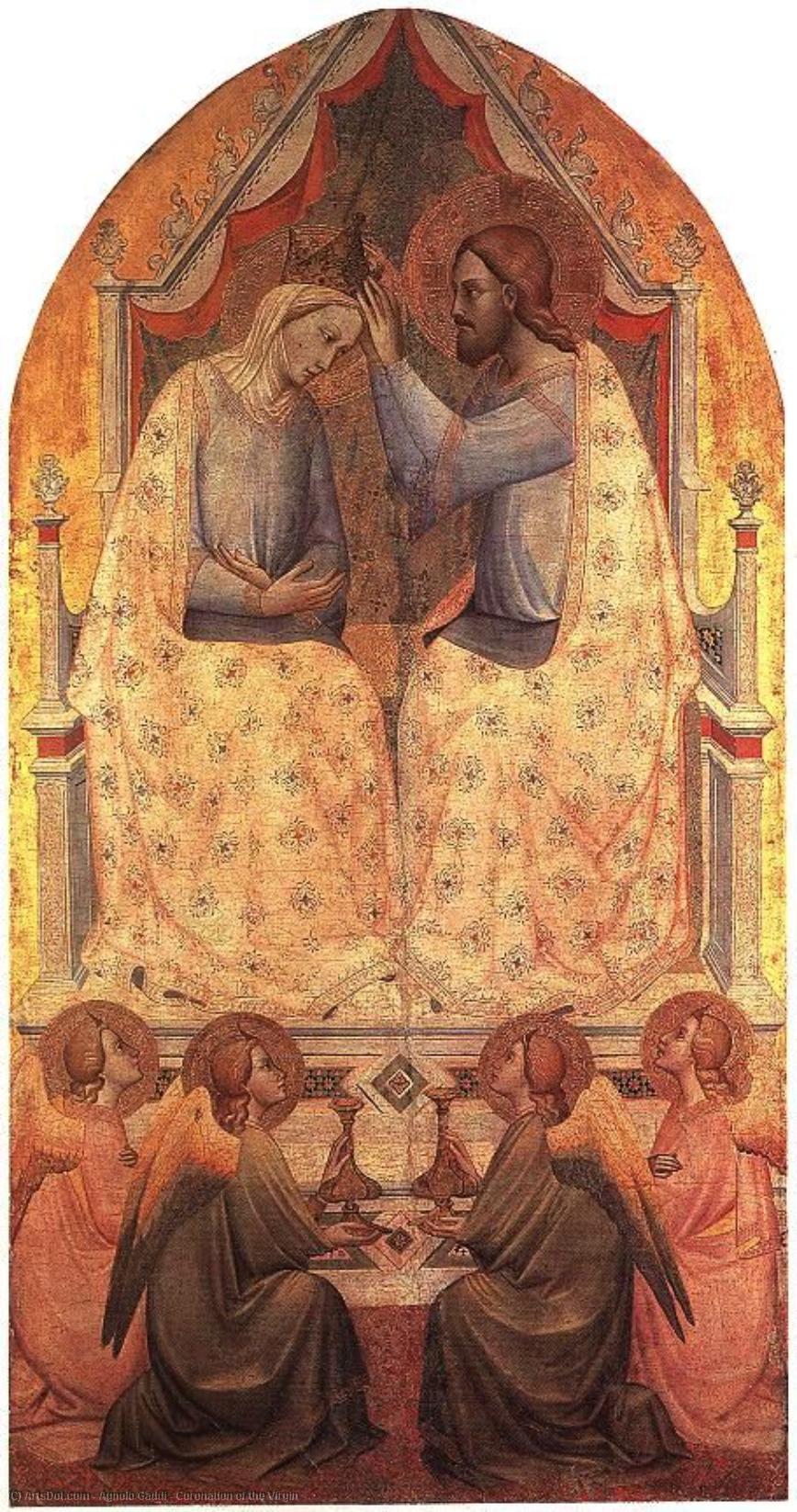
Coronation of the Virgin
 Oil
Oil- WallArt
- Early Renaissance
 1380
1380 182.0 x 94.0 cm
 ナショナル・ギャラリー
 詳細を見る
詳細を見る




P118B $10

P118H $10

P118W $10

P438Z $10

P508JH $12

P508YH $12

P805H $10

P805Z $10

P919BZ $10

P919G $10

P919XJ $10

P959ZH $10

P968JZ $12

W106C $8

W218G $10

W218JH $8

W218Y $10

W307PJ $10

W316G $10

W316PJ $8

W316Y $10

W398PJ $8

W4111J $10

W500HY $15

W500JH $15

W692G $12

W849H $8

W940BG $15

W953PJ $8




作品のオリジナル比率に合わせた、当店の規定サイズからお選びください。

特定のフレームやスペースに合わせて、ご希望のサイズをご入力いただけます。選択されたサイズが元の画像の比率と異なる場合、アートワークをトリミングするか、手描きで要素を追加して絵画を拡張いたします。デジタルモックアップ を制作し、制作開始前にご確認(承認)をいただきます。
画面上のプレビューは、実際のトリミングや拡張を正確に反映しているものではありません。最終的な構図は、モックアップによってのみ正確にご確認いただけます。
カスタムサイズもご利用いただけますが、元の比率を維持するためには、あらかじめ用意されたリストからサイズを選択することをお勧めいたします。
ご注文後、ArtsDot.com チームより詳細な指示をお送りするとともに、仕上がりイメージ(モックアップ)をご提供いたします。


 ガラスオプションは、110cm未満のサイズでのみご利用いただけます。

Coronation of the Virgin
複製技法
複製画のサイズ
-


合計金額
$ 263
The Coronation of the Virgin: A Florentine Masterpiece
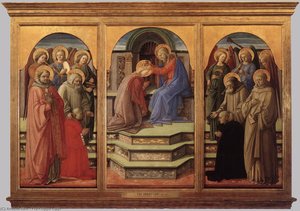
The Coronation of the Virgin, painted by Agnolo Gaddi around 1380 in Florence, isn’t merely a depiction of a biblical scene; it's a vibrant window into the burgeoning artistic spirit of the late Medieval period. This fresco, now housed within the National Gallery in London, stands as a testament to Gaddi’s skill and his deep connection to the legacy of Giotto di Bondone, the revolutionary artist who had fundamentally shifted painting towards greater naturalism and emotional depth. Examining this work reveals not just a beautiful image but also a crucial step in the evolution of Italian art – a bridge between the Gothic formality of its predecessors and the nascent Renaissance ideals taking root in Florence.
Gaddi’s fresco captures a pivotal moment from Christian lore: the crowning of Mary as Queen of Heaven by her son, Jesus Christ. The scene unfolds with an almost theatrical grace, placing Mary seated on a simple chair, radiating serene dignity. Jesus stands behind her, youthful and radiant, bestowing upon her the celestial crown – a symbol of her divine status and ultimate triumph. Angels, rendered with a delicate balance between ethereal beauty and earthly detail, attend to this sacred ceremony, their wings shimmering with subtle variations in color. The composition is carefully balanced, utilizing perspective—though not yet fully developed as in later Renaissance works—to create a sense of depth and spatial awareness within the scene. Nine figures are visible, arranged thoughtfully to draw the viewer’s eye through the narrative.
A Gaddi's Technique: Echoes of Giotto
Gaddi’s style is immediately recognizable as an evolution from Giotto’s groundbreaking approach. While retaining a strong sense of Gothic elegance – evident in the elongated figures and richly detailed drapery – Gaddi introduces a greater degree of naturalism and emotional expression. The faces, for instance, possess a subtle realism that was uncommon in earlier Florentine painting. Notice how Mary's gaze is directed downwards, conveying a quiet humility and reverence, while Jesus’s expression suggests both authority and tenderness. The use of tempera on wood—a traditional technique—contributes to the fresco’s luminous quality, with colors applied in thin, translucent layers that create an almost shimmering effect.
Furthermore, Gaddi demonstrates a keen understanding of color theory, employing a palette dominated by blues and violets, punctuated by flashes of crimson. This choice of hues not only enhances the visual appeal but also subtly reinforces the sacred nature of the subject matter. The careful attention to detail—from the intricate folds of Mary’s robes to the delicate feathers on the angels' wings—underscores Gaddi’s meticulous craftsmanship and his dedication to capturing the essence of the scene.
Symbolism and Spiritual Resonance
The Coronation of the Virgin is rich in symbolic meaning. The crown itself represents Mary’s divine status, her elevation to a position of unparalleled honor within both the earthly and heavenly realms. The presence of the angels signifies God's blessing and protection upon Mary, while Jesus’s act of crowning symbolizes his authority and love for his mother. Beyond its literal depiction, the painting speaks to themes of faith, devotion, and the promise of salvation—core tenets of Christian belief.
Interestingly, this scene reflects a broader cultural preoccupation with Marian iconography during the 14th century. The image resonated deeply within Florentine society, becoming a popular subject for altarpieces and devotional panels. Gaddi’s version stands out for its refined execution and its subtle integration of contemporary artistic trends, solidifying his place as one of Florence's most important artists of the era.
A Legacy in Reproduction
Today, reproductions of The Coronation of the Virgin offer art lovers a chance to experience the beauty and spiritual depth of this remarkable fresco. Hand-painted oil paintings reproductions, meticulously crafted using traditional techniques, capture the essence of Gaddi’s original work while providing a stunning addition to any collection or interior space. These reproductions serve as a tangible link to a pivotal moment in artistic history—a testament to the enduring power of faith and the genius of Agnolo Gaddi.
関連作品
アーティストの略歴
フィレンツェの遺産:アンニョロ・ガッディの生涯と芸術
1350年頃、フィレンツェに生を受けたアンニョロ・ガッディは、イタリア絵画史において極めて魅力的かつ重要な地位を占めています。彼は単なる一人の画家ではありませんでした。革命児ジョット・ディ・ボンドーネの熱心で類まれな弟子であったタデオ・ガッディの息子として、強大な芸術的血統を受け継ぐ者だったのです。この家族的な繋がりにより、アンニョロは14世紀に芸術的革新の震源地となったフィレンツェの中心へと、即座に身を置くこととなりました。しばしばジョット様式の直系を継ぐ最後の偉大なフィレンツェ人画家と評されますが、彼を単なる模倣者と呼ぶことは、彼の真価を著しく損なうことになります。ガッディは単に伝統を継続したのではなく、後期ゴシックの感性と、芽吹きつつあった初期ルネサンスの希望との架け橋となり、その伝統を繊細に、そして劇的に変容させたのです。同時代の他の画家たちに比べると、その生涯に関する記録は比較的少ないものの、彼の歩みは、創造的なエネルギーと経済的な繁栄に満ち溢れた都市フィレンツェの、芸術的かつ商業的な営みに深く根ざした人物であったことを物語っています。また、彼は絵画のみに没頭していたわけではありません。記録によれば、特に晩年には商売にも従事しており、名高い芸術家の伝記にはあまり見られないような、実利的な側面も持ち合わせていました。ジョットの影から:芸術的発展と影響
ガッ模の初期作品において、ジョットの影響は否定しようがありません。ジョットのフレスコ画を特徴づける記念碑的な人物像、感情的な響き、そして物語の明快さは、アンニョロの初期の絵画にも随所に現れています。しかし、ガッディはすぐに彼独自のスタイルを確立していきました。ジョットが力強い簡潔さを好んだのに対し、ガッディはより洗練された優雅さを取り入れ、緻密な細部や高められた装飾的な華やかさを融合させたのです。彼の作品にはゴシック様式の影響が顕著に見て取れます。劇的な光の効果、豊かな質感を持つ織物、そして全体的な装飾美へのこだわりは、まさにその象徴です。これは彼がジョットの開拓した自然主義を捨て去ったという意味ではありません。むしろ、進化し続けるフィレンツェ社会の嗜好を反映させるべく、そこに洗練された審美眼という層を重ね合わせたのです。彼は色彩を用いた実験を恐れず、鮮やかな色調と繊細な階調を用いることで、視覚的に人々を圧倒する構図を作り上げました。1395年に描かれた最後の晩餐は、ジョット的な堅実さとゴシック的な洗練が見事に融合した好例であり、厳粛さと精緻なディテールが共存する場面を描き出しています。また、父の下での修行は、彼にフレスコ技法の熟達をもたらし、それが後の主要な依頼作品の多くにおいて中心的な役割を果たすこととなりました。石と絵具に刻まれた傑作:主要作品と依頼作
アンニョロ・ガッディの芸術的名声は、主にフィレンツェのサンタ・クローチェ聖堂内に残された広大なフレスコ画によって支えられています。『真の十字架の伝説』を描いたこれらの記念碑的な作品は、物語画家としての彼の卓越した技術と、複雑な構図を制御する能力の証です。バロンチェッリ礼拝堂と聖歌隊席に展開されるこの連作は、木の種が発見された場面から、キリストの磔刑におけるその使用に至るまでの物語を紡ぎ出しています。これらは単なる挿絵ではありません。表情豊かな人物たちが躍動し、細部まで描き込まれた建築的な風景の中に配置された、鮮烈なドラマなのです。サンタ・クエローチェ以外にも、ガッディは祭壇画や信心具としてのパネル画の依頼を受けており、それらは彼の芸術家としての多才さを物語っています。現在ワシントンD.C.のナショナル・ギャラリー・オブ・アートに収蔵されている師としての役割と遺産:イタリア美術への影響
アンニロ・ガッディは単なる画家ではなく、教育者でもありました。彼の弟子の中には、後に極めて影響力のある美術理論家となり、後世の芸術家たちの基礎的なテキストとなった『芸術の書(Il Libro dell'Arte)』の著者、チェンニーノ・チェンニーニがいました。この師弟関係は、ガッディがいかに自らの知識と技術を次世代へと継承することに献身していたか、そしてフィレンツェにおける芸術的伝統の継続をいかに確かなものにしたかを強調しています。彼はジョットのように全く新しい画派を創始したわけではありませんが、その影響は隅々にまで浸透していました。彼はジョット様式を洗練させ、伝承することで、初期ルネサンスの革新のための土壌を整えたのです。ジョルジョ・ヴァザーリは、その記念碑的な著作『最も優れた画家、彫刻家、建築家の生涯』においてガッディの重要性を認め、イタリア美術史の正典における彼の地位を確固たるものにしました。父や祖父の影に隠れることもありましたが、アンニョロ・ガッディは極めて重要な人物として君臨しています。芸術的な時代の変遷を巧みに渡り歩いた熟練の職人であり、美と信仰、そして永続的な影響力という遺産を私たちに残してくれたのです。さらなる探求のために
- 美術館とコレクション:リデナウ美術館(ドイツ)、ナショナル・ギャラリー・オブ・アート(ワシントンD.C.)、ウフィツィ美術館(フィレンツェ)におけるアンニョロ・ガッディの作品を探索してください。
- オンライン・リソース:Wikipedia (https://en.wikipedia.org/wiki/Agnolo_Gaddi) やナショナル・ギャラリー・オブ・アートのウェブサイト (https://www.nga.gov/artists/1327-agnolo-gaddi) などのリソースを通じて、彼の生涯と芸術をより深く掘り下げることができます。
- 文脈的学習:ガッディの作品を真に理解するためには、ジョットやタデオ・ガッディの芸術、そして14世紀フィレンツェ絵画のより広い背景についても研究することをお勧めします。
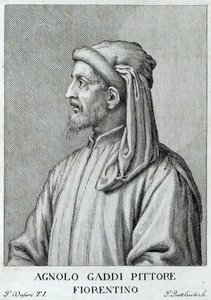
アニョロ・ガッディ
1350 - 1396 , イタリア
基本情報
- Artistic Movement Or Style: ゴシック、初期ルネサンス
- Artists Or Movements Influenced By This Artist: ['チェンニーノ・チェンニーニ']
- Artists Who Influenced This Artist:
- タデオ・ガッディ
- ジョット
- Date Of Birth: 1350年
- Date Of Death: 1396年
- Full Name: アニョロ・ガッディ
- Nationality: イタリア
- Notable Artworks:
- 最後の晩餐
- 磔刑
- 真の十字架の発見
- Place Of Birth: イタリア、フィレンツェ
関連記事

家族の遺産を壁画で彩る:伝統技法が紡ぐ、時を超越する美と記憶
古代から現代までの壁画の歴史と技法を解説。日本の壁画文化やカスタムオーダーによる家族の遺産表現、保存・修復技術まで網羅。専門家が時を超越する美と記憶を紡ぐ芸術的価値をご案内します。

The Enduring Legacy of Fresco: Technique, History & Artistic Expression Across Cultures
Explore the rich history & enduring legacy of fresco painting! Discover ancient techniques, Giotto's masterpieces, and modern applications. Expert insights for art lovers & professionals.

The Enduring Legacy of Fresco Painting: Techniques, History & Contemporary Relevance
Explore the rich history & enduring artistry of fresco painting – from Giotto to Michelangelo! Discover techniques, conservation efforts, & modern applications. Learn how ArtsDot brings this timeless art form to your home.
Art That Lives With You: The Emotional Power of a Custom Interior Fresco
Discover the emotional power & timeless beauty of custom interior frescoes. Explore history, design tips & expert guidance from – creating lasting legacies.
The Enduring Legacy of Fresco: Technique, History & Artistic Expression
Explore the rich history & enduring artistry of fresco painting. Discover techniques from Giotto to Michelangelo, conservation efforts, & modern applications. Learn how ArtsDot brings this timeless art form to your home.

