

 プレビュー
プレビュー
 プリントを購入
 シェアする
シェアする シェアする
シェアする
 詳細を見る
詳細を見る

 ダウンロード
 似ている作品
 X線調査
X線調査 スライドショー
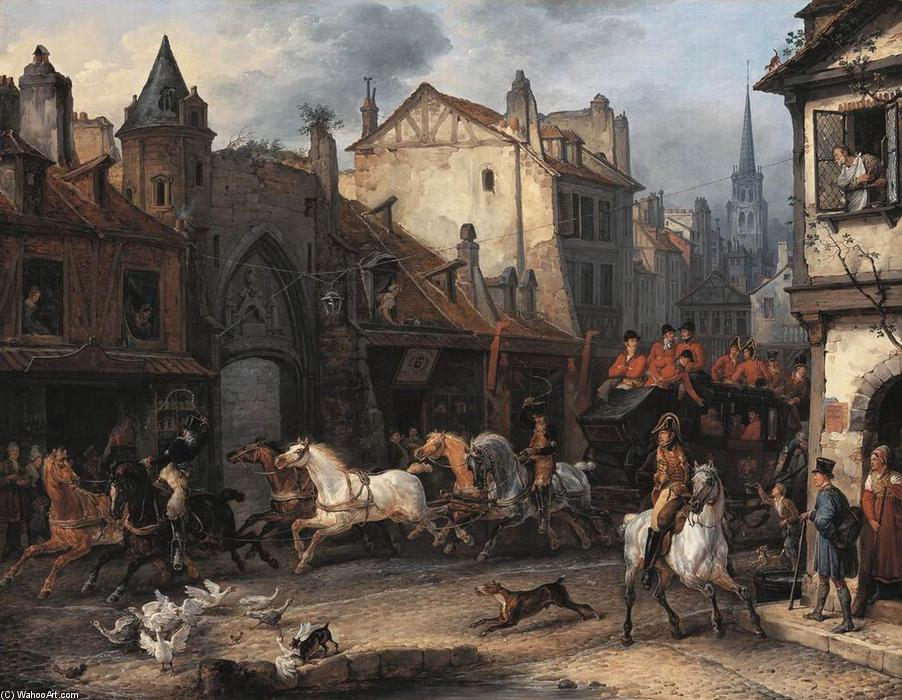
Return from the Hunt
 Acrylic On Canvas
- WallArt
- Baroque Rococo
 1828
1828 111.0 x 145.0 cm
 ネオピナコテカ
 詳細を見る
詳細を見る
オンラインプレビューをはるかに凌ぐ、高解像度で鮮明なデジタル画像をご購入いただけます。
各ファイルは、社内の専門家が高度なツールと熟練した手作業によるレタッチを用いて、細心の注意を払って準備されています。すべての画像において、卓越した鮮明度、正確な色彩再現性、そして繊細なディテールを保証いたします。
最終ファイルは、プロフェッショナルな編集・印刷環境ですぐにご利用いただけるよう最適化された状態で、72時間以内にメールにてお届けいたします。これは、一流のデザインスタジオ、出版社、ギャラリーから信頼されているものと同等の品質です。
デジタル画像のご注文に付随する特典
高品質なデジタル画像配信を、確かな品質で。
ArtsDot.com を選ぶことは、単に画像を手に入れることではありません。それは、プロの手によって精密に仕上げられ、満足保証が付いた高品質なデジタルアートワークを受け取ることを意味します。ご注文いただいた際に自動的に付随する内容は、以下の通りです:

メールですぐにお届け
ご注文から72時間以内に、高解像度のデジタル画像ファイルがメールでお手元に届きます。すぐにそのままご利用いただけます。

AI技術で最適化されたデジタルファイル
お客様の作品は、高度なAIツールと専門家による手作業の編集を組み合わせてプロフェッショナルに最適化されており、細部のディテール、鮮明さ、そして正確な色再現性を最大限に引き出しています。

一生涯無料の再送サービス
ファイルを誤って削除したり、紛失してしまったりしましたか?ご安心ください。いつでも無料で再送いたします。

輸入手数料は一切かかりません
関税や手数料、配送料を気にすることなく、お気に入りのアートワークをすぐにお楽しみいただけます。デジタルダウンロードは常に免税です。

色彩再現の保証
プロ仕様のツールとカラーマネジメント技術を用いることで、デジタル画像が元の色を最大限に忠実に再現することを保証いたします。

60日間満足保証
ご購入いただいたデジタル画像にご満足いただけない場合は、60日以内であれば、修正または100%の返金(理由を問う必要はありません)をさせていただきます。

100% 返金保証
ご満足いただけない場合は、デジタルファイルを受け取ってから60日以内であれば、理由を問わず全額返金いたします。

まとめ買い割引
3枚購入で10%OFF - 5枚購入で15%OFF - 10枚以上購入で20%OFF。クリエイティブなプロジェクト、ギャラリー、エージェンシーに最適です。
作品の詳細
Return from the Hunt: A Symphony of Light and Movement by François Boucher
François Boucher’s “Diana Returning from the Hunt,” completed in 1745, stands as an emblem of Rococo artistry—a celebration of idealized beauty, sensual grace, and the harmonious fusion of nature and mythology. More than just a depiction of a hunting scene, it's a carefully orchestrated tableau designed to evoke emotion and convey profound philosophical ideas. Housed at the Musée Cognacq-Jay in Bordeaux, France, this monumental overdoor exemplifies Boucher’s mastery of color, texture, and composition, cementing his place as one of the era’s foremost painters.Composition and Style: Dynamism Within Restraint
Boucher skillfully employs a pyramidal structure to guide the viewer's eye upward, anchoring the central figure of Diana—the goddess herself—at the apex. The three nymphs flanking Diana are positioned in overlapping poses, creating a dynamic interplay of movement that contrasts beautifully with the serene stillness of the pool beneath them. This juxtaposition isn’t merely aesthetic; it symbolizes the tension between active pursuit and contemplative repose – a core concept within Rococo thought. Boucher's meticulous attention to detail—from the delicate folds of drapery to the subtle shading on the nymphs’ skin—demonstrates his commitment to capturing the fleeting beauty of the natural world with unparalleled precision. The muted palette, dominated by earthy tones accented by pale blues and greens, contributes to a sense of tranquility while simultaneously highlighting the luminous quality of the light filtering through the forest canopy.Technique: Oil Paint on Canvas – A Delicate Dance of Color
The painting’s execution is characterized by Boucher's masterful use of oil paint on canvas—a technique that allowed for exceptional tonal subtlety and textural richness. Layers upon layers of glaze were applied to achieve a velvety surface finish, capturing the nuances of light and shadow with breathtaking realism. Boucher’s meticulous blending techniques ensured that colors flowed seamlessly together, creating an illusion of depth and atmosphere. The artist skillfully rendered the textures of animal pelts, drapery folds, and foliage—each element meticulously crafted to contribute to the overall visual harmony. This painstaking process underscores Boucher's dedication to elevating painting beyond mere representation; he aimed to convey not just what was seen but also how it felt.Historical Context: The Reign of Louis XV and Enlightenment Ideals
“Diana Returning from the Hunt” emerged during the reign of Louis XV, a period marked by opulent aristocratic patronage and an embrace of hedonistic pleasures—a reaction against the austerity of the preceding Baroque era. However, Boucher’s work transcends mere indulgence; it reflects the broader intellectual currents of the Enlightenment, particularly the fascination with classical mythology and the pursuit of idealized beauty as a path to moral virtue. The painting embodies the Rococo aesthetic's belief in the importance of sensory experience and emotional expression—a deliberate departure from the rationalism championed by thinkers like Voltaire and Rousseau. It speaks to a desire for harmony between human intellect and feeling, mirroring the philosophical debates of the time.Symbolism: Light, Femininity, and Eternal Beauty
The painting’s symbolism is multilayered and imbued with profound meaning. Diana herself represents divine feminine power—a symbol of chastity, grace, and dominion over nature. Her pose embodies serenity and contemplation, suggesting that true beauty resides not merely in physical perfection but also in inner harmony. The nymphs embody youthful innocence and vitality, symbolizing the promise of regeneration and renewal. The pool beneath them symbolizes purity and tranquility—reflecting the ideal state of existence envisioned by Rococo artists. Furthermore, the luminous quality of the light—captured with remarkable accuracy—represents divine illumination—a metaphor for enlightenment and spiritual understanding. Boucher’s masterful use of visual language elevates “Diana Returning from the Hunt” beyond a simple depiction of a hunting scene; it becomes an enduring testament to the power of art to inspire contemplation and convey timeless truths.Emotional Impact: A Moment Frozen in Time
Ultimately, “Diana Returning from the Hunt” succeeds in transporting the viewer back to 18th-century France—capturing not only the visual splendor of its time but also its underlying philosophical ethos. The painting evokes a sense of wonder and admiration for the beauty of nature—a reminder that even amidst worldly concerns, there exists an enduring realm of sublime harmony. Its delicate palette and graceful composition instill tranquility and contemplation—inviting viewers to pause and appreciate the fleeting moments of grace that define human experience. As a masterpiece of Rococo art, “Diana Returning from the Hunt” continues to resonate with audiences today—a testament to Boucher’s unparalleled skill as a painter and his enduring legacy as one of France's greatest artistic luminaries.関連作品
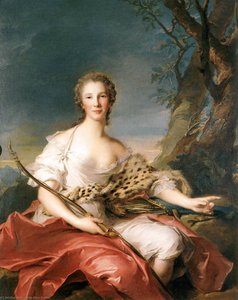
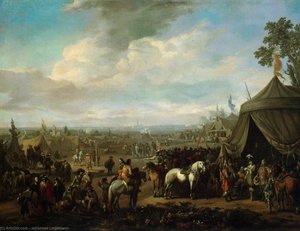
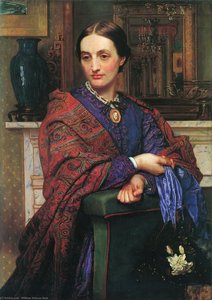
作家の略歴
アントワーヌ・シャルル・オラス・ヴェルネ:ナポレオンの栄光を駆る馬
しばしば「カール・ヴェルネ」として知られる彼は、19世紀フランス美術における極めて重要な人物でした。戦場の躍動感と、馬という主題が持つ魅惑的な優雅さをシームレスに融合させた画家です。1758年にボルドーで生まれ、父クロード=ジョゼフ・ヴェルネに遡る芸術家の血筋を引くカールにとって、幼少期は彼の将来のキャリアを予感させるものでした。生後わずか五歳から、彼は馬を描く類まれな才能を発揮し、その情熱はニコラ=ベルナール・レピシエと共に厳格な学術訓練によって育まれていきましたが、最終的には彼を定められた伝統的な道から遠ざけることとなりました。驚きに満ちた転機が訪れたのは、1782年に権威あるローム賞を受賞した時です。この功績は当初、彼を従来の芸術家としてのキャリアへと押し進めるように見えましたが、父の介入によってその道はあっけなく閉ざされ、修道院に入るという運命が彼の成功によって定められたかのように思われました。 この初期の経験がカールのアプローチを形作りました。彼は意図的に確立された慣習を破り、当時主流であった理想化された表現とはかけ離れ、馬を自然な環境で観察した厩舎や乗馬学校から直接インスピレーションを得たのです。彼の最も称賛される作品群、例えば『エミilius・パウルス凱旋』などは、この革新的な技法を示し、前例のないリアリズムをもって馬の持つ生々しい力と動きを捉えていました。革命は彼の人生に深く影響を与え、妹の処刑という出来事は長い影を落とし、彼を一時的に芸術から遠ざけました。その後、フランス監政府の下で再びこの職業に戻った際、彼のスタイルには劇的な変化が見られ、それはナポレオン・ボナパルトへの奉仕によって後押しされたものでした。ナポレオン時代:勝利と栄光を描く
カール・ヴェルネの芸術的な軌跡は、ナポレオン時代に特異な転換点を迎えます。彼は視覚的なプロパガンダの力を認識し、ナポレオンから自らの軍事遠征を緻密なドローイング群で記録するよう依頼されました。これらは単なる挿絵ではなく、皇帝を賛美し士気を高揚させるための戦略的な道具でした。ヴェルサイユ宮殿に所蔵されている『マレンゴの戦い』(1804年)のような作品は、この時代の証言として存在しています。そこには、兵士たち、騎馬隊の突撃、そして戦いの混沌が、驚くべき正確さと劇的な強烈さをもって描かれています。彼は単に出来事そのものだけでなく、勝利の雰囲気までも捉え、自らの場面に触れるほどの英雄性と凱歌を吹き込んだのです。ナポレオン自身から授与された栄誉勲章を含むこれらの作品に対する称賛は、彼を宮廷画家として、そして体制にとって重要なプロパガンダ作家としての地位を確固たるものにしました。戦場を超えて:馬術芸術の巨匠
初期の作品が軍事的な主題に支配されていた一方で、カール・ヴェルネの芸術的関心はナポレオン失脚後の数十年で著しく広がりを見せます。彼は馬を描くことに比類なき専門性を培いました。それは単なる戦争の道具としてではなく、優雅さ、力強さ、そして気品を象徴するものとしてです。彼の狩猟風景、競馬、そして様々な品種の描写は、馬の解剖学、動き、そして気質に対する深い理解を示していました。彼はただ馬を描いていたのではありません。それは彼らの本質を捉え、繊細な仕草や微妙な表情を通してその魂を伝えていたのです。当時の批評家たちは彼の独自の視点に注目し、伝統的なアカデミックな定式に頼るのではなく、厩舎や乗馬学校からインスピレーションを得た点を指摘しました。これは彼の観察力とリアリズムへの献身の証でした。彼の丹念な馬種の研究は、裕福なパトロンやブリーダーたちから熱烈に求められるものとなりました。石版画とファッション:二面性を持つ才能
カール・ヴェルネの芸術的な多様性は絵画にとどまりませんでした。彼はリトグラフィーという初期の採用者であり、この技法によって自らのドローイングを驚くほどの明瞭さと詳細さで紙上に再現することが可能になりました。この媒体は、パリ社会の流行を描写するのに特に適していました。彼は一連の印象的な衣装研究――『不条理なものと奇妙なもの』(1797年)――を生み出し、優雅に身を包んだパリ市民たちが様々な社交活動に従事する様子を描き、18世紀末から19世紀初頭の文化への魅惑的な垣間見を提供しました。これらの版画は絶大な人気を博し、彼を芸術家であると同時に現代のマナーを鋭く観察する人物としての評判を確立させました。彼の作品は単なる芸術的技術だけでなく、世間の嗜好に対する洞察力をも反映していたのです。遺産と影響
カール・ヴェルネが美術界に与えた影響は否定できません。特に自然主義と動きへの焦点という点で、馬を描く彼のアプローチは何世代もの芸術家に影響を与えました。彼の細部への注意深さと劇的な構図は、戦場やスポーツの主題における新たな基準を打ち立てました。さらに重要な点として、彼は古典的な芸術的伝統と台頭しつつあったロマン主義の時代との間のギャップを埋めました。より大きなリアリズムと感情的なインパクトを追求するために、慣習を破ることを厭わない姿勢を示したのです。彼の弟子であるテオドール・ジェリコーは、ヴェルネの工房で有名に修行し、この芸術家の独特なスタイルを定義づけた多くの技法を受け継ぎ、さらに発展させました。カール・ヴェルネは1836年にパリで亡くなり、絵画、ドローイング、版画という豊かな遺産を残しました。それは彼の並外れた才能とフランス美術史に対する永続的な影響力の証なのです。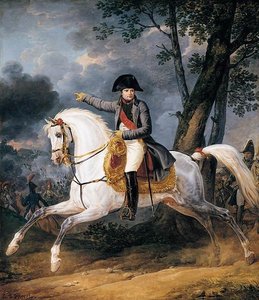
アントワーヌ・シャルル・オラース・ヴェルネ
1758 - 1836 , フランス
プロフィール概要
- Artistic Movement Or Style: 新古典主義、戦闘シーン
- Artists Or Movements Influenced By This Artist: ['オラス・ヴェルネ']
- Artists Who Influenced This Artist: ['クロード=ジョゼフ・ヴェルネ']
- Date Of Birth: 1758年8月14日
- Date Of Death: 1836年11月27日
- Full Name: アントワーヌ・シャルル・オラス・ヴェルネ
- Nationality: フランス人
- Notable Artworks:
- アエミilius・パウルス凱旋
- マレンゴの戦い
- 狩猟からの帰還
- Place Of Birth: ボルドー、フランス

