

 プレビュー
プレビュー
 シェアする
シェアする シェアする
シェアする
 詳細を見る
詳細を見る

 ダウンロード
 似ている作品
 X線調査
X線調査 スライドショー
 Stats
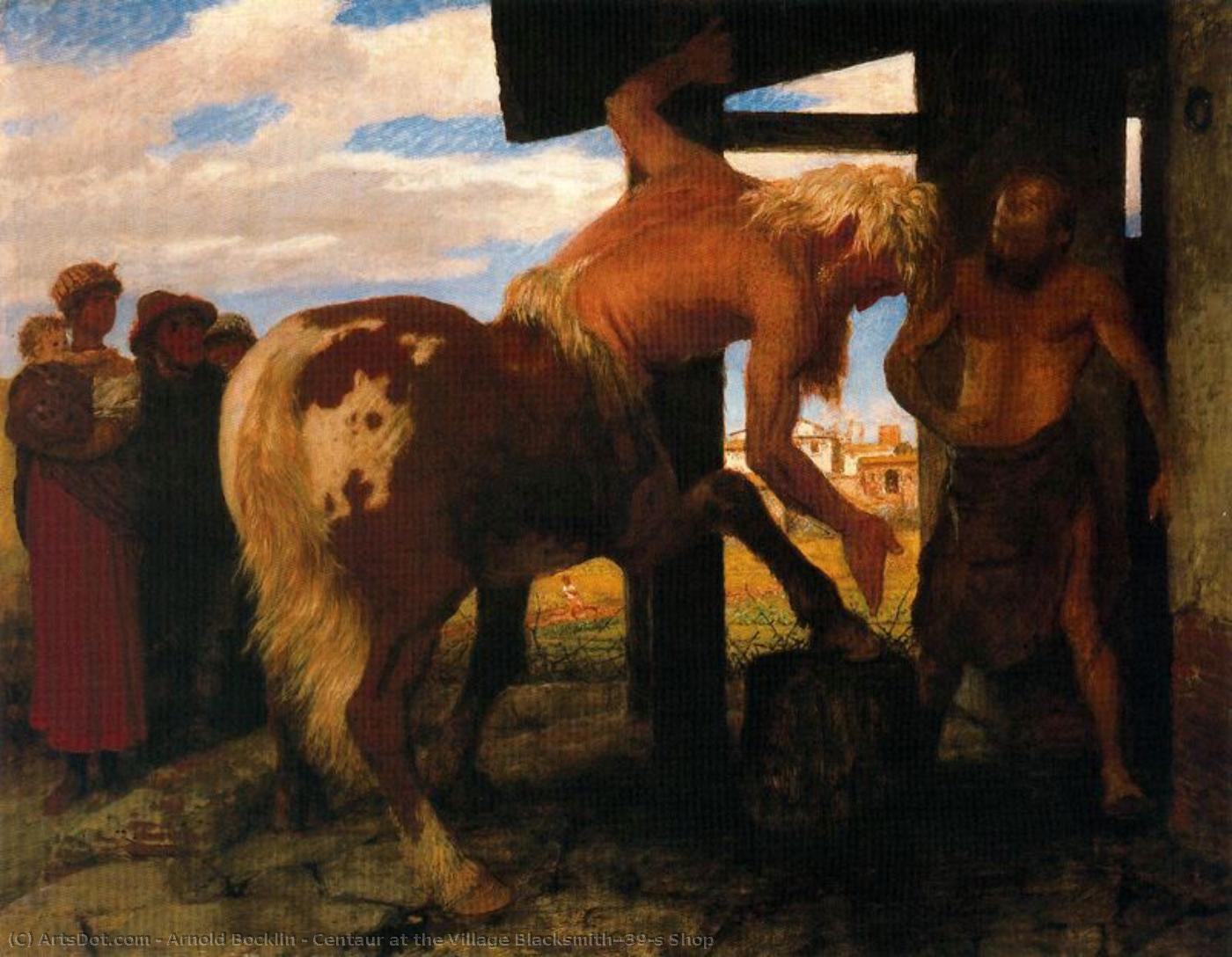
StatsCentaur at the Village Blacksmith's Shop
 Acrylic On Canvas
- WallArt
- Symbolist Painting
 1888
1888 100.0 x 80.0 cm
 美術館
美術館
 詳細を見る
詳細を見る
ジークレー/アートプリント
迅速な制作と多彩な仕上げオプションを備えた、ミュージアムクオリティのジークレーまたはキャンバスプリント。 ( 手描きの絵画を購入 Switch to Digital Image)




P118B $10

P118H $10

P118W $10

P438Z $10

P508JH $12

P508YH $12

P805H $10

P805Z $10

P919BZ $10

P919G $10

P919XJ $10

P959ZH $10

P968JZ $12

W106C $8

W218G $10

W218JH $8

W218Y $10

W307PJ $10

W316G $10

W316PJ $8

W316Y $10

W398PJ $8

W4111J $10

W500HY $15

W500JH $15

W692G $12

W849H $8

W940BG $15

W953PJ $8




作品のオリジナル比率に合わせた、当店の規定サイズからお選びください。

特定のフレームやスペースに合わせて、ご自身でサイズを指定することも可能です。選択されたサイズが元の画像の比率と一致しない場合、作品をトリミングするか、鏡面反射または単色での塗りつぶしによって画像を拡張いたします。制作を開始する前に、ご確認用のデジタルモックアップをお送りいたします。
画面上のプレビューには、実際のトリミングや拡張は反映されませんのでご注意ください。最終的な構図を正確に確認できるのは、モックアップのみとなります。
カスタムサイズも承っておりますが、元の比率を維持するためには、あらかじめ用意されたリストからサイズを選択することをお勧めいたします。


 ガラスオプションは、110cm未満のサイズでのみご利用いただけます。

Centaur at the Village Blacksmith's Shop
ジークレー/アートプリント
複製画のサイズ
-


合計金額
$ 62
A Moment Frozen in Mythic Time: Exploring Arnold Böcklin’s “Centaur at the Village Blacksmith's Shop”
Arnold Böcklin’s “Centaur at the Village Blacksmith’s Shop,” completed in 1888, stands as a cornerstone of Symbolist painting—a genre dedicated to conveying emotion and psychological states rather than merely representing reality. More than just a depiction of an everyday scene infused with fantastical elements, this artwork delves into profound themes of mortality, innocence lost, and the enduring power of primal instincts against the backdrop of classical antiquity. Its haunting beauty continues to captivate audiences today, prompting contemplation on the complexities of human experience.The Scene: Rural Tranquility Disrupted
The painting portrays a solitary centaur—half man, half horse—engaged in the seemingly mundane task of shoeing a horse before a modest village blacksmith’s forge. This juxtaposition is deliberately unsettling. Böcklin eschews grand narratives or dramatic action; instead, he presents a tableau of quiet labor rendered in muted tones – predominantly browns and greys – creating an atmosphere of palpable stillness. The blacksmith's shop itself is depicted with meticulous detail, emphasizing its solidity and permanence, representing the established order of civilization. Yet, this tranquility is immediately undermined by the presence of the centaur, whose gaze directs towards the viewer, conveying a sense of melancholy and hinting at a hidden narrative beneath the surface.Symbolism Rooted in Antiquity
Böcklin’s artistic vision draws heavily from classical mythology, specifically referencing depictions of centaurs as symbols of untamed nature versus civilized intellect. The centaur embodies primal instincts—strength, instinctual knowledge—contrasted with human reason and artistry. This duality is powerfully conveyed through Böcklin's masterful use of chiaroscuro – the dramatic interplay between light and shadow – which sculpts the figures and enhances their emotional impact. The horse represents fertility and vitality, while the blacksmith symbolizes craftsmanship and tradition. These elements intertwine to suggest a confrontation between opposing forces—the natural world versus human endeavor—a theme prevalent throughout Böcklin’s oeuvre.Technique: Delicate Watercolor on Paper
Executed in watercolor on paper, “Centaur at the Village Blacksmith's Shop” exemplifies Böcklin’s signature technique. Watercolor lends itself beautifully to capturing subtle gradations of tone and texture, allowing for an ethereal quality that contributes significantly to the painting’s mood. Böcklin painstakingly layered washes of pigment, achieving remarkable luminosity and blending colors seamlessly—a testament to his meticulous attention to detail. The artist's deliberate restraint in color reinforces the painting’s contemplative spirit, prioritizing atmosphere over precise representation. This technique underscores Böcklin’s commitment to conveying emotion through visual form rather than literal depiction.Emotional Resonance: A Meditation on Loss and Acceptance
Ultimately, “Centaur at the Village Blacksmith’s Shop” transcends its formal elements to evoke a profound emotional response in the viewer. The painting speaks to themes of vulnerability, solitude, and the inevitability of decay—concepts central to Symbolist philosophy. Böcklin's depiction of the centaur’s sorrowful expression invites reflection on mortality and the acceptance of life’s transient nature. It is not merely a visual spectacle but rather an invitation to contemplate existential questions. The painting lingers in the mind long after viewing, prompting viewers to consider the enduring power of mythic imagery to illuminate the human condition—a testament to Böcklin's artistic genius and his ability to capture the essence of emotion within a carefully constructed composition.関連作品
アーティストの略歴
生い立ちと修行時代
アーノルド・ベックリンは、スイスを代表する象徴主義の画家として、1827年10月16日、スイスのバーゼルに生を受けました。彼の父であるクリスティアン・フリードリヒ・ベックリンは、シャフハウゼンに古くから続く家系に属し、絹織物貿易に従事していました。また、母であるウルシュラ・リッペも同じくバーゼルの出身でした。若き日のベックリンは、デュッセルドルフ美術アカデミーにてシラーマンに師事し、その過程でアンセルム・フェイエルバッハとの親交を深めました。こうして彼は、デュッセルドルフ派の画家としての足跡を刻み始めたのです。芸術的キャリアと象徴主義
ベックリンの芸術的な旅路は、彼を様々な都市へと導きました。パリではルーヴル美術館での研鑽を積み、ローマではその壮麗な景色から多大な影響を受けました。彼の作品には、古典的な建築を背景に、寓意や神話の登場人物が描かれることが多く、そこには常に「死」や「死すべき運命(モータリティ)」という深遠なテーマが探求されていました。- 初期の代表作の一つである『大公園』では、古代神話の世界が見事に表現されています。
- この時期の重要な作品として、『ニンフとサテュロス』(1858年)や『サッフォー』(1859年)が挙げられます。
- また、ベックリン独自のスタイルを象徴するのが、『自画像:死がバイオリンを弾く』(1872年)です。
遺産と影響力
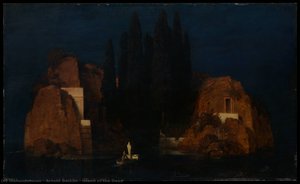
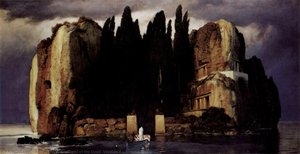
ベックリンの名を最も広く知らしめたのは、1880年から1886年にかけて描かれた5つのバージョンの『死の島』でしょう。この作品は、娘が埋葬されたフィレンツェの英国人墓地を彷彿とさせるものです。彼の芸術は、ハンス・トマのような後進の画家たちに影響を与えただけでなく、後期ロマン派の作曲家たちのインスピレーションの源ともなりました。- 批評家のクレメント・グリーンバーグは、ベックリンの作品を、その時代における「最も完成された表現の一つ」と評しました。
- 彼のスタイルはラファエル前派とも共鳴し、夢の世界や神秘主義的な側面を強調しています。
美術館とコレクション
ベックリンの傑作は、現在も世界中の様々な美術館に収蔵されています。- 公立美術コレクション(スイス、バーゼル)
- バーゼル美術館(スイス)
- チューリッヒ・クンストハウス(スイス、チューリッヒ)
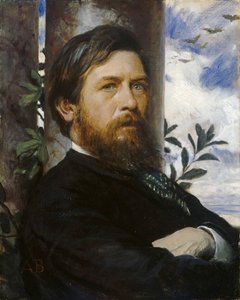
アーノルド・ベックリン
1827 - 1901 , スイス
基本情報
- Artistic Movement Or Style: 象徴主義
- Artists Or Movements Influenced By This Artist:
- ハンス・トーマ
- ラファエル前派
- Artists Who Influenced This Artist:
- シルマー
- フェーアバッハ
- Date Of Birth: 1827年10月16日
- Date Of Death: 1901年1月16日
- Full Name: アーノルド・ベックリン
- Nationality: スイス
- Notable Artworks:
- 死の島
- ニンフとサテュロス
- サッフォー
- 自画像
- Place Of Birth: スイス、バーゼル
関連記事
Evoking Arcadia: A Historical & Aesthetic Exploration of Rural Landscape Art
Explore the rich history of pastoral landscape art, from classical Arcadia to Impressionism & beyond. Discover key artists, movements, and how to collect serene rural scenes for your home. Expert insights at ArtsDot.

Cultivating Visions: A Historical Journey Through Rural Landscapes in Art
Explore the rich history of rural landscape painting with ArtsDot. Discover Impressionist masterpieces, key artists & movements. Find your perfect serene artwork and bring nature's beauty home.

Evocations of Place: A Historical Journey Through Landscape Art
Explore the rich history of landscape art with ArtsDot. Discover renowned artists, movements like Impressionism & Romanticism, and expert guidance for collecting timeless pieces. Find your perfect serene escape today!

ジョン・コンスタブルの傑作25選:英国風景画の巨匠が描く自然と光の詩 | ArtsDot
ジョン・コンスタブルの傑作25選。英国風景画の巨匠が描く自然と光の詩の世界へ。ロマン主義を代表する絵画、デダム・ヴェールやヘイ・ウェインなど、ArtsDotで高品質なアートプリントをお楽しみください。インテリアに深みと感動を。コレクションはこちら。

ロマン派ランドスケープ:時代を彩る巨匠の10選|アートとインテリアの世界
ロマン派絵画の時代を彩る10選。巨匠たちの風景が織りなす感動の世界へ。ターナー、ルーベンスなど、名作の裏話と高精細複製でアートをお部屋に。ArtsDot.comで至福のアート体験を。